
Last updated November 24, 2026
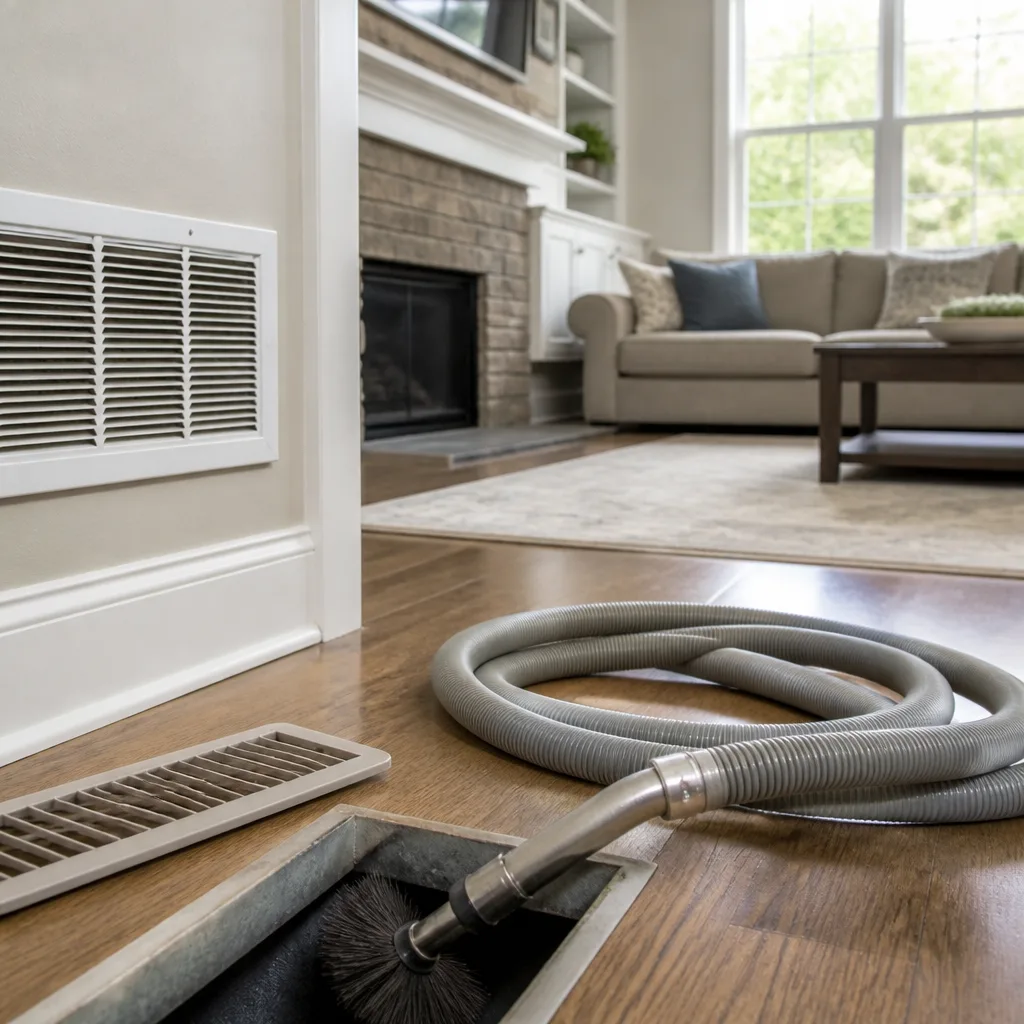 Whole-home duct cleaning
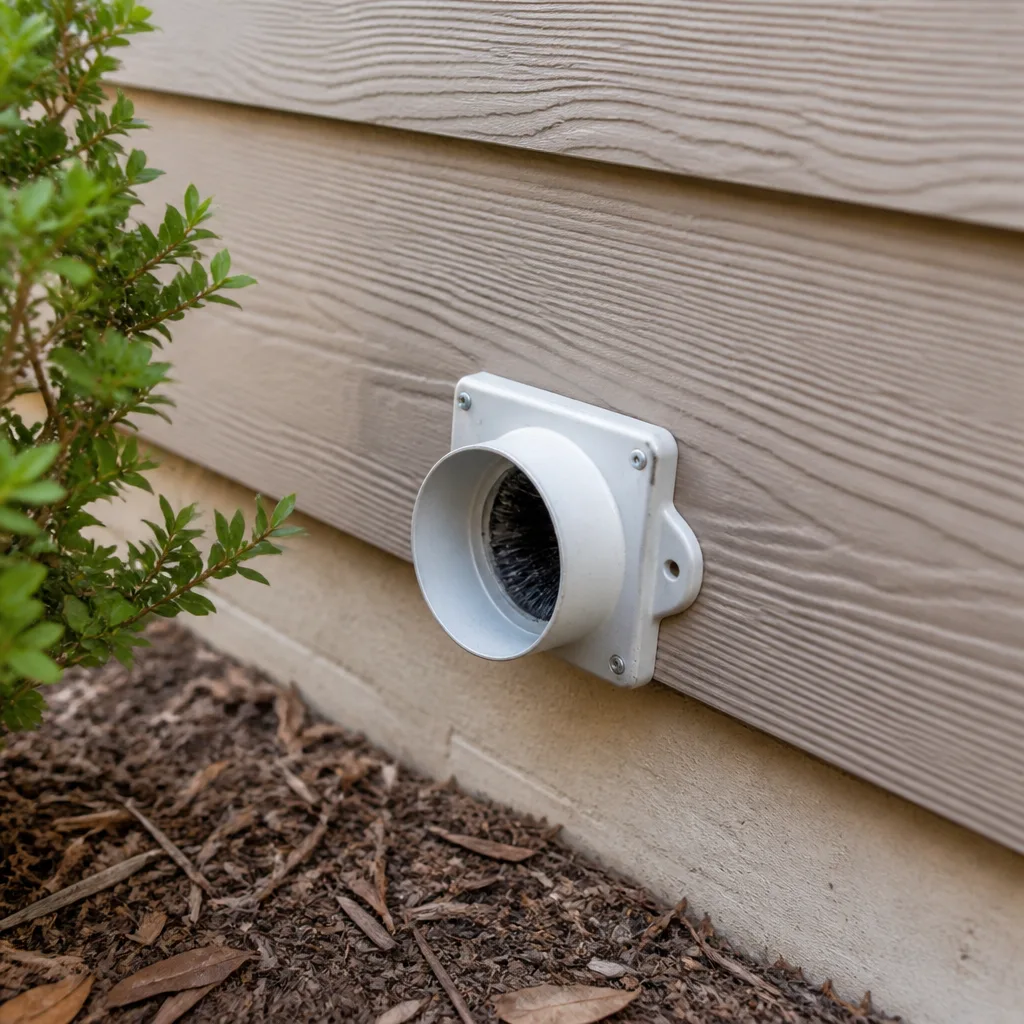 Dryer vent cleaning
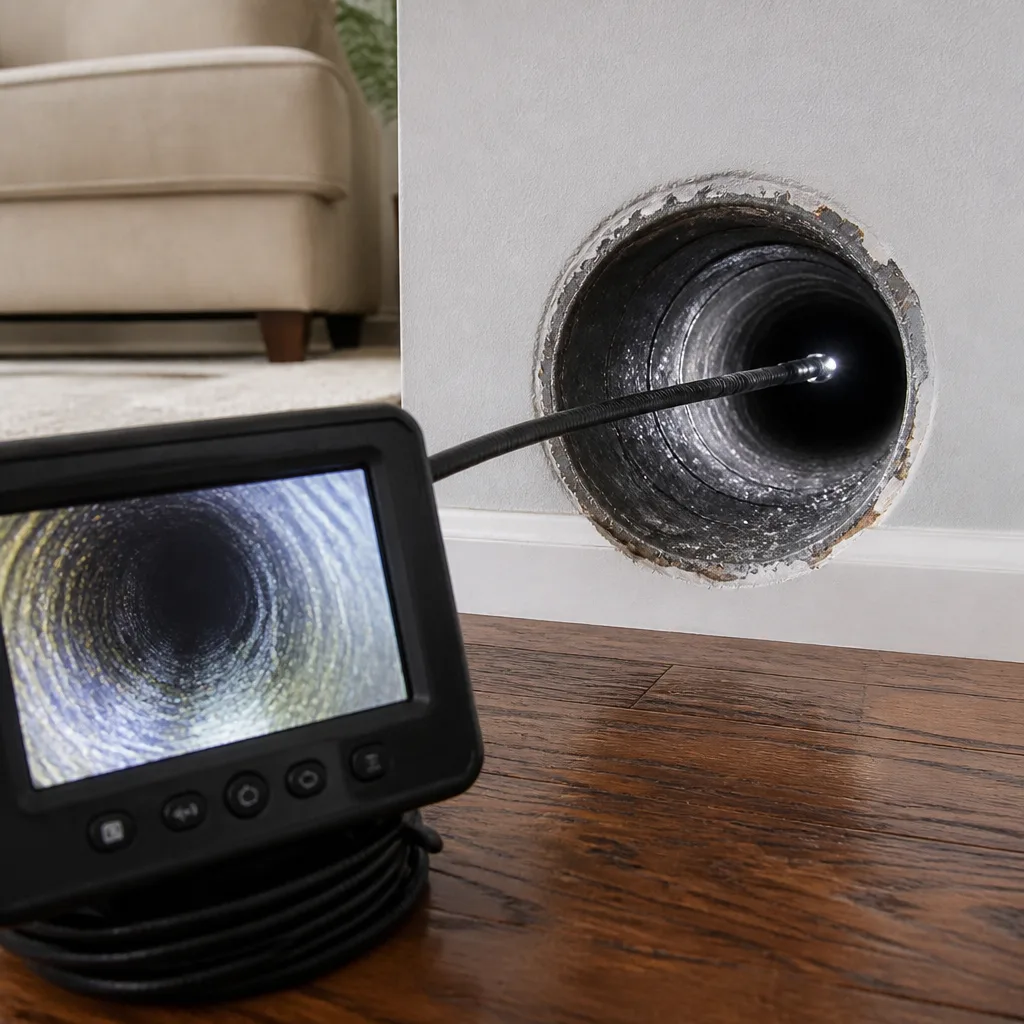 Camera inspection
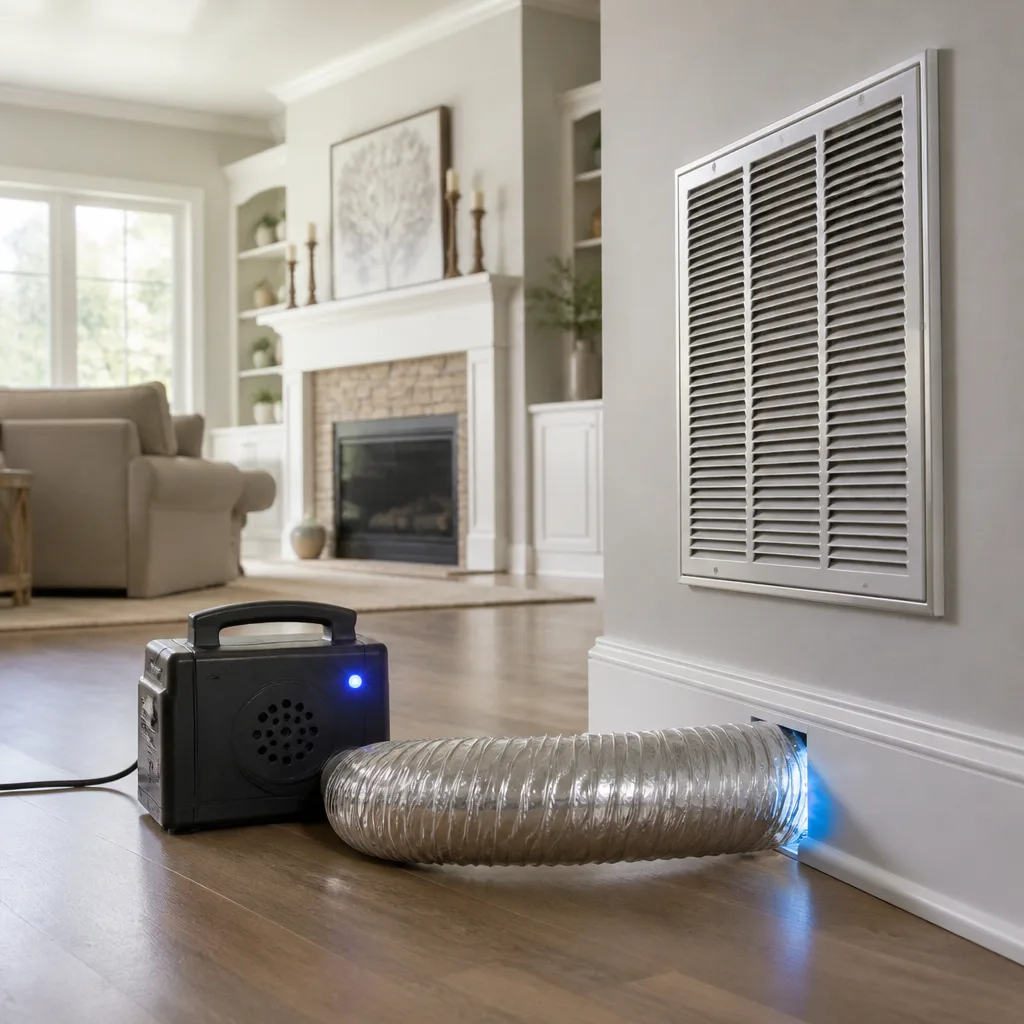 Sanitizing & deodorizing
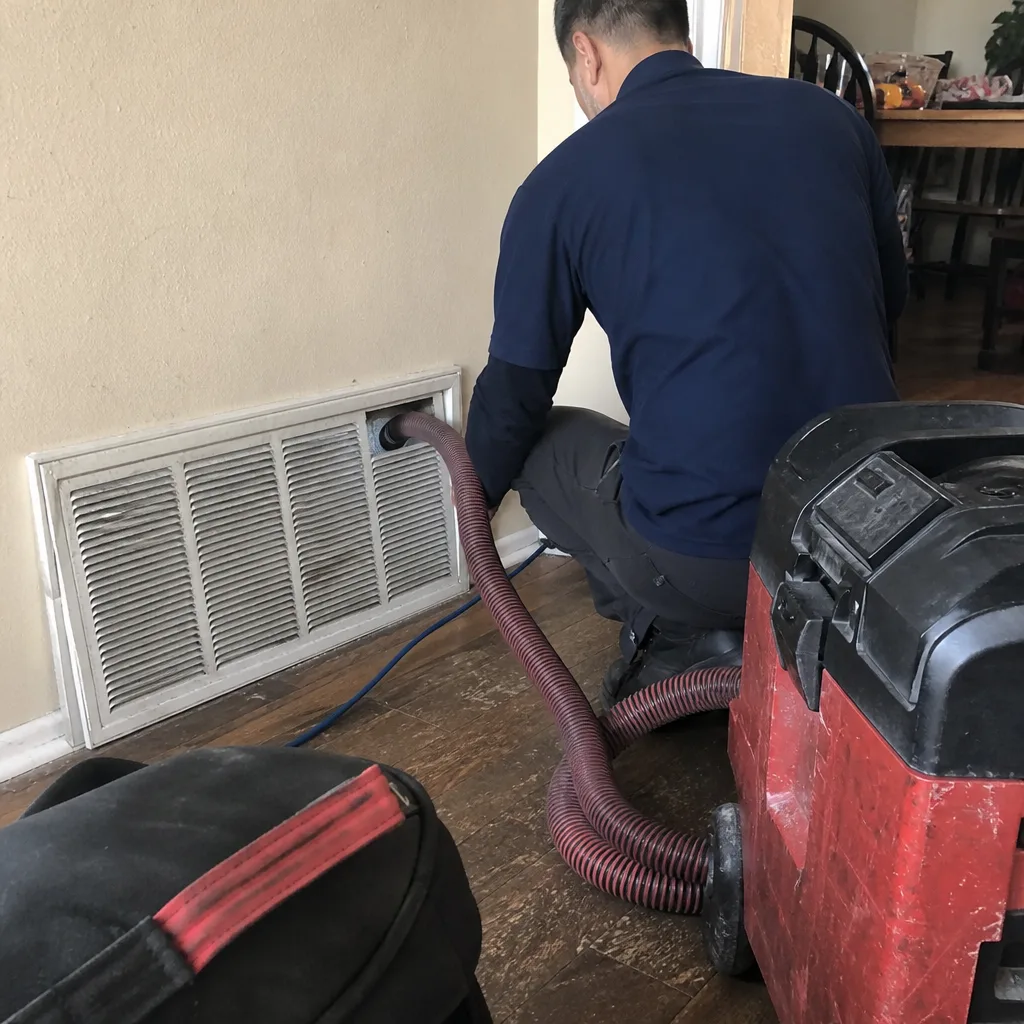
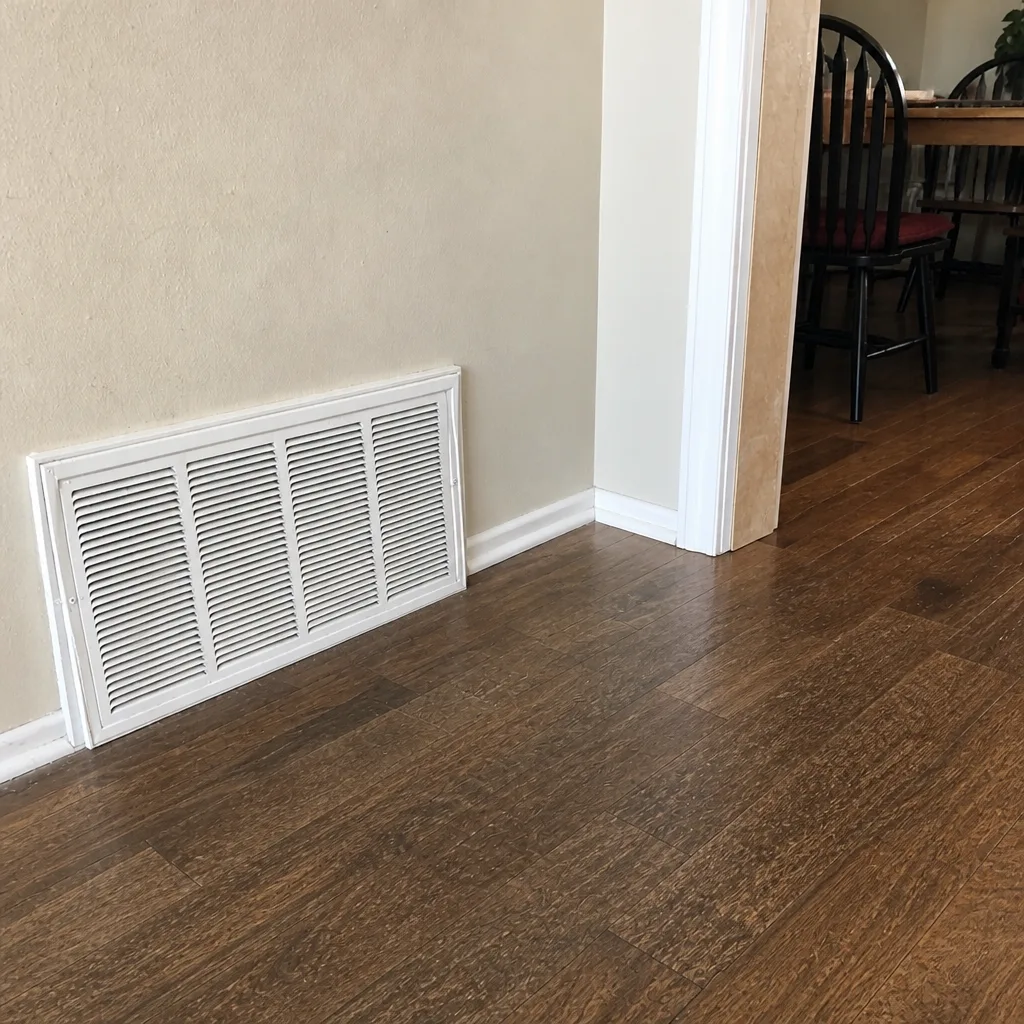
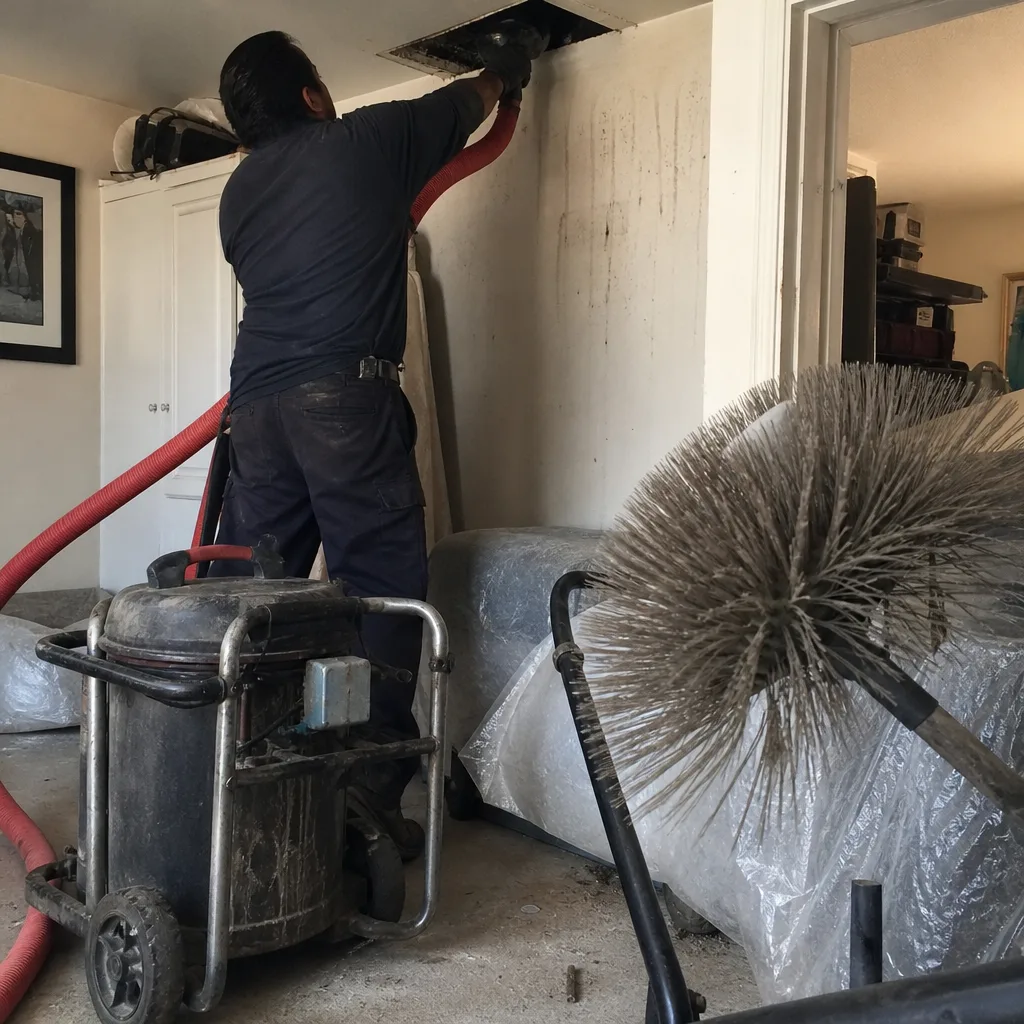
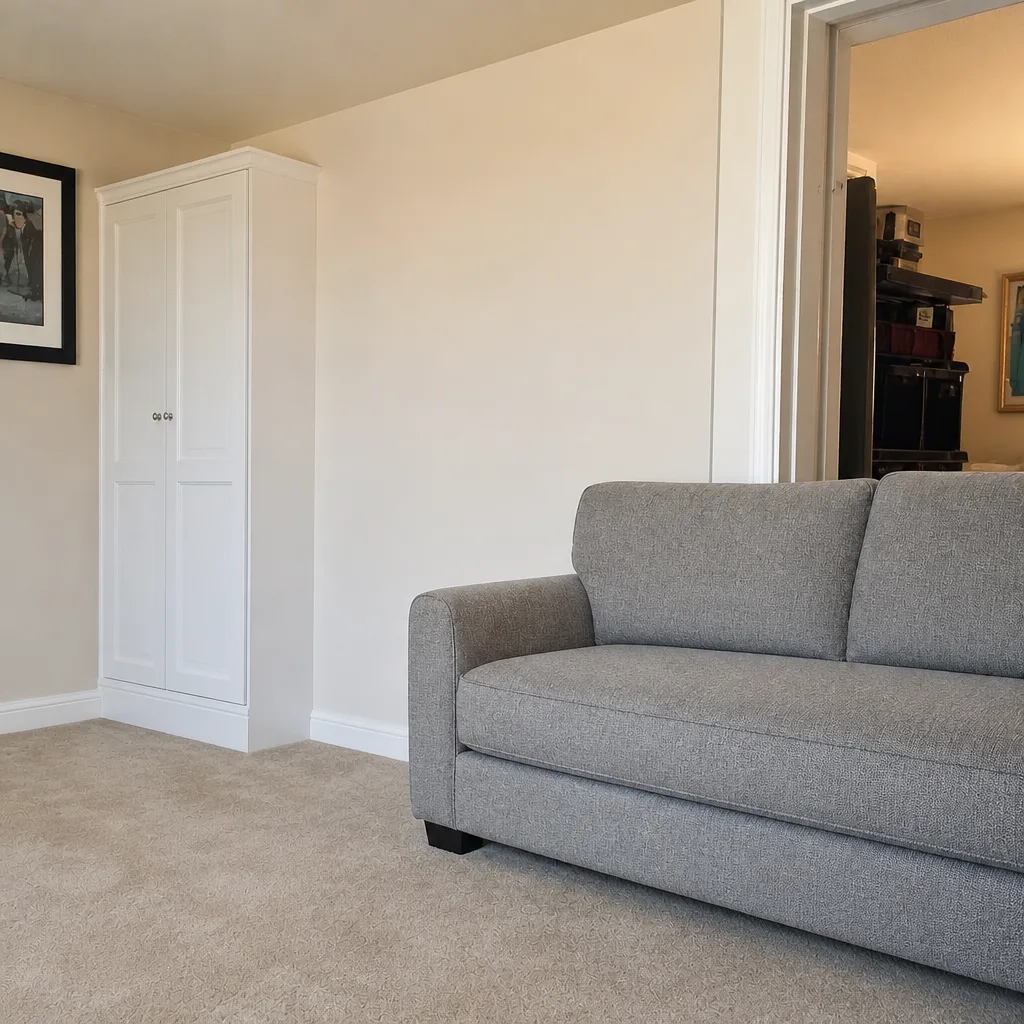
Whole-system duct and dryer vent check with before-and-after photos - you see exactly what came out of your vents
That "$99 whole-house special" is a bait ad - the real number appears once they are in your hallway, or the "clean" is a shop-vac at the register. We photograph the inside of your ducts before and after instead.
DIY vs Professional Air Duct Cleaning: The Huntington Beach Homeowner’s Decision Guide
Every video showing a homeowner “cleaning their ducts” with a shop vac and a brush is demonstrating surface register cleaning. That’s useful maintenance, but it doesn’t touch the trunk lines, plenums, or return cavities where contamination actually accumulates. It’s not a knock on anyone’s effort. It’s just physics. A consumer vacuum can’t move enough air to carry debris out of a system it can only reach eighteen inches into. This guide lays out exactly what DIY can honestly accomplish, where the limits sit, and how to decide what’s right for your Huntington Beach home without the fear-based sales pressure this industry is known for.
Quick Answer
DIY duct cleaning can genuinely handle register grilles, accessible flex duct runs near openings, and dryer vent clearing. It cannot reach the trunk lines, plenum, or return cavities where most contamination lives, because consumer vacuums lack the airflow and HEPA filtration to extract debris without redistributing it through the house. For routine maintenance, DIY helps. For a system that’s never been cleaned, has visible debris, or serves someone with respiratory issues, professional cleaning with proper negative-air equipment is the right call.
Styles & brands we work with
- Whole-home duct cleaning
- Dryer vent cleaning
- Camera inspection
- Sanitizing & deodorizing
Table of Contents
- What DIY Duct Cleaning Can Actually Accomplish
- The Real Limit: Airflow, CFM, and Why Consumer Vacuums Can’t Reach the Trunk
- The Negative Air Pressure Principle
- When DIY Is Specifically the Wrong Choice
- What a Professional Duct Cleaning Actually Involves
- The Hybrid Approach: DIY Between Professional Cleanings
- Dryer Vents: The One DIY Job That’s Worth Understanding
- How to Decide: A Practical Checklist for Huntington Beach Homes
What DIY Duct Cleaning Can Actually Accomplish
We want to be fair to the homeowner with a vacuum and a Saturday morning. There’s real value in what you can do yourself, and pretending otherwise is how this industry loses trust. Here’s the honest scope.
Register grille cleaning. Removing the supply and return grilles and washing them in a sink removes dust, pet hair, and lint that accumulates on the face of the grille. This is the most visible part of your system and the easiest to clean. Ten minutes per grille, a soft brush, lukewarm water, and a full dry before reinstalling.
Accessible flex duct visual inspection. Many Huntington Beach homes, especially tract homes built in the 1970s through the 1990s, run flex duct through attics and crawl spaces. You can look into the first section of duct from the register opening with a flashlight and a phone camera. What you’re looking for: standing water, visible mold growth, disconnected sections, crushed duct, or pest activity. You’re not cleaning it. You’re inspecting it, and that information matters when you decide whether to call someone.
Surface vacuuming inside the register boot. A shop vac with a crevice tool can pull loose dust from the first few inches inside the boot. It’s a marginal improvement, but it’s real.
Dryer vent clearing from the dryer end. If your dryer vent runs a short, straight path to the exterior, you can often clear it from the inside with a vent brush kit and verify airflow at the exterior hood. Longer runs, multiple elbows, or vents that route through the roof should be handled by someone with a rotary brush and a vacuum that captures the lint as it dislodges.
What none of this addresses is the main trunk line, the supply plenum above the air handler, the return plenum, or the return cavity behind the filter grille. Those are the parts of the system that hold the majority of accumulated debris. And they’re the parts you can’t physically reach without disassembly and equipment designed for the job.
The Real Limit: Airflow, CFM, and Why Consumer Vacuums Can’t Reach the Trunk
Here’s the thing most DIY guides leave out. Duct cleaning isn’t a brushing problem. It’s an airflow problem. Debris dislodges from duct walls when air moves through the duct fast enough to lift and carry it. A shop vac pulling from a single register opening creates a pressure difference that drops off sharply with distance. At eighteen inches into the boot, you might have enough pull. Four feet down a trunk line, you have essentially none.
Compare that to what professional equipment does:
- Rotobrush contact-cleaning systems use a rotating brush head on a flexible whip that travels through the duct while a vacuum pulls debris back to a HEPA canister. The brush contacts the duct wall; the vacuum removes what the brush lifts. The whole system is designed so the two happen at the same time.
- Nikro HEPA vacuums are built for the volume and filtration required during duct cleaning. HEPA-grade filtration captures fine particulates at the source so they don’t recirculate into your living space while work is ongoing.
- Abatement Technologies negative-air equipment is used when contamination levels call for it: mold, heavy debris, or remediation-adjacent conditions. It creates a pressure differential that keeps the work area under negative pressure relative to the rest of the house, which matters when you don’t want disturbed contaminants migrating into bedrooms.
A shop vac rated for a garage isn’t built for this. Its filtration is coarse, its airflow drops fast over distance, and its exhaust blows fine dust back into the room. That’s the difference between cleaning and redistributing.
The Negative Air Pressure Principle
This is the concept most homeowners have never heard of, and it’s the single biggest reason professional duct cleaning works differently from DIY. When you agitate dust inside a duct, it becomes airborne. If the pressure inside the duct is higher than the pressure in the room, that airborne dust flows into the room. If the pressure inside the duct is lower than the room, it flows into the duct and gets captured.
That’s the whole idea of negative air pressure. Professional systems are set up to hold the ductwork at a lower pressure than the living space while cleaning happens. Air flows in, not out. Contaminants move toward the collection point, not toward your couch.
A shop vac running at a register has the opposite problem. It pulls a small volume of air, but the exhaust stream recirculates fine dust, and any debris you loosen that isn’t immediately captured drifts into the room. If you’ve ever vacuumed a dusty space with a cheap vacuum and noticed the air got worse before it got better, you’ve experienced this. Now imagine that inside the trunk line of your HVAC system.
This is why we use equipment matched to the job rather than one machine for every scenario. A routine maintenance cleaning on a home with no mold history is a different setup from a post-renovation cleaning where drywall dust has infiltrated the return. Rotobrush handles the first. Abatement Technologies negative-air equipment handles the second. The equipment should follow the find, not the other way around.
When DIY Is Specifically the Wrong Choice
There are conditions where trying to clean the ducts yourself isn’t just ineffective. It’s the wrong decision. If any of these apply to your Huntington Beach home, stop and call a professional.
- Post-water-damage conditions. If your home has had any water intrusion into the ductwork or the air handler area, the ducts may harbor mold that you cannot see from a register opening. Agitating that growth with a brush spreads spores through the house. This needs containment equipment, not a shop vac.
- Suspected mold growth. Visible dark staining on duct interior surfaces, a musty smell that returns after cleaning, or a history of high humidity in the attic space all point toward conditions that require professional assessment. Mold remediation and duct cleaning overlap here and need to be handled with the right equipment.
- Occupants with respiratory conditions. If anyone in the home has asthma, allergies, COPD, or is immunocompromised, the risk of redistributing fine particulates during a DIY attempt outweighs the benefit. Professional cleaning with HEPA filtration and negative air containment protects the people in the home.
- Post-renovation debris. Drywall dust, sawdust, and construction debris settle into return cavities and trunk lines. Consumer vacuums clog fast on this material and cannot contain it. A renovation in a Huntington Beach home with an older HVAC system often pushes enough debris into the return to warrant a full professional cleaning.
- Pest activity inside ductwork. Rodent droppings, nesting material, or insect activity inside ducts are a health concern and require proper PPE, containment, and disinfection. Don’t try to handle this yourself.
- Disconnected or crushed duct sections. If your visual inspection reveals a disconnected flex run or a duct crushed to the point of restricted airflow, the fix isn’t cleaning. It’s repair and sealing. That’s a professional scope.
Notice that none of these are “you’ll break something.” DIY duct cleaning isn’t dangerous. It’s just structurally limited. The reason to call a professional in these situations is that the work requires equipment and containment you can’t replicate at home, not because you’re going to flood the house.
What a Professional Duct Cleaning Actually Involves
If you’ve never had it done, or if you’ve had a bad experience with a coupon-driven operation, here’s what a proper cleaning looks like when the scope matches the system.
- Assessment and documentation. Before any cleaning, the technician inspects the system, checks the air handler and coil, and photographs conditions inside accessible ductwork. This is where scope gets set. The cost of the job depends on what’s actually there.
- Interior protection. Floor coverings, corner guards, and shoe covers. We use Guardsman surface-protection products during service to keep your home interior intact. A cleaning that leaves marks on your walls isn’t a cleaning.
- Containment setup. Negative-air equipment is placed to keep the work zone under pressure. This is where Abatement Technologies equipment comes in for jobs with contamination levels above routine maintenance.
- Contact cleaning of the duct runs. Rotobrush systems travel through supply and return runs, contacting the duct walls and pulling loosened debris back to a collection point. This covers trunk lines and branch runs, not just the first eighteen inches.
- HEPA extraction of loose debris. Nikro HEPA vacuums handle the extraction and final pass, capturing fine particulates at the source so they don’t end up back in the living space.
- Sanitizing where appropriate. Not every job calls for sanitizing. When it does, it’s applied after cleaning, not instead of it.
- Before-and-after photos of your own system. This is the documentation that tells you the work was actually done. Not a stock photo, not a generic “here’s a clean duct” image. Photos of your return, your plenum, your trunk line.
- Repair and sealing where needed. If the inspection found disconnected runs, leaking joints, or crushed sections, those get addressed. Leaky ducts waste the conditioned air you’re paying for and pull attic air into the system. Sealing is part of a complete job, not an upsell.
This is the full arc of air duct cleaning, and it’s the reason a professional job takes hours rather than the twenty minutes a shop vac pass takes. For homeowners whose systems also need the air handler and coil cleaned, that’s covered under HVAC cleaning, which is a separate scope from duct cleaning and is often the right add-on for older systems.
The Hybrid Approach: DIY Between Professional Cleanings
Here’s the approach we actually recommend to most Huntington Beach homeowners. It’s not a binary. You can do meaningful maintenance yourself between professional cleanings, and that extends the interval and reduces the cost over time.
What to do yourself, on a schedule:
- Monthly: Replace or clean your HVAC filter. A clogged filter is the single most common cause of dust buildup downstream of the filter. In Huntington Beach, where we get Santa Ana wind events that push fine dust and pollen inland, filter changes often need to be more frequent during those periods.
- Quarterly: Remove and wash supply and return grilles. Vacuum the register boot with a crevice tool. This is the surface cleaning that adds up.
- Twice a year: Do a visual inspection of accessible ductwork from register openings. Look for moisture, disconnected runs, pest activity, or excessive dust accumulation. Note anything that looks wrong and photograph it.
- Once a year: Clear the dryer vent from the dryer end if it’s a short, straight run. Check the exterior vent flap for lint buildup and make sure it opens and closes freely.
- As needed: After any renovation or major dust-generating project, upgrade to a higher-MERV filter for a few weeks, then change it out. Don’t leave a high-MERV filter in place indefinitely if your system wasn’t designed for it.
What to leave to a professional: Anything beyond the register opening. Trunk lines, plenums, return cavities, coil cleaning, duct sealing, and any situation where contamination is visible or suspected. These are the areas that determine whether your system is actually clean or just looks clean at the grille.
Also worth knowing: if you have a whole-home air quality system from Honeywell or Aprilaire, those need periodic service that a homeowner can’t do without the right parts and calibration. If you’ve been thinking about adding one, or you already have one that hasn’t been checked, integrating it with a duct cleaning is the right time.
Dryer Vents: The One DIY Job That’s Worth Understanding
Dryer vent cleaning sits in an interesting spot in this conversation. It’s the one part of the “ductwork” in your home where a homeowner can do real work and see real results. It’s also the part with the highest fire risk per linear foot, which is why we think homeowners should understand the job even if they choose to call someone.
The reason dryer vents are a fire risk is straightforward. Lint accumulates on the walls of the vent, restricts airflow, and causes the dryer to run hotter. The dryer operates at temperatures high enough to ignite lint. A restricted vent makes that situation more likely over time.
What DIY can do well: short, straight runs with direct exterior access. A rotary vent brush kit and a shop vac at the exterior hood handle this capably. Clear from the exterior end when possible, so debris exits the house rather than into the dryer cabinet.
What DIY struggles with: long runs, multiple elbows, vents that route through the roof or an interior wall cavity, and vents that terminate under a deck or in an enclosed space. In those cases, the right tool is a rotary brush driven by a drill at the exterior with a HEPA vacuum pulling from the dryer end. That’s what our technicians use for dryer vent cleaning, and it’s what makes the difference on the harder runs.
If you’re not sure which kind of vent you have, run the dryer on air-dry (no heat) for five minutes and check airflow at the exterior hood. Weak airflow with the flap barely moving is your signal that the vent needs attention. Weak airflow combined with a longer run means it’s time to call.
How to Decide: A Practical Checklist for Huntington Beach Homes
Most homeowners are trying to answer one question: do I need a professional or not? Here’s the checklist we’d walk ourselves through.
Lean toward DIY maintenance if:
- Your system has been professionally cleaned within the last three to five years
- You change filters regularly and have no visible debris at the registers
- No one in the home has respiratory concerns
- You haven’t had water damage, mold, or pest issues
- You’re comfortable removing grilles and vacuuming the boot
- You just want to do the parts you can reach
Lean toward professional cleaning if:
- You don’t know when, or if, the ducts have ever been cleaned
- You’ve recently completed a renovation
- You’re seeing dust patterns on walls, ceilings, or near registers that don’t match your cleaning habits
- The home has a musty smell when the HVAC runs
- Anyone in the home has asthma, allergies, or other respiratory concerns
- You’ve noticed higher energy bills that don’t match usage changes
- You’re moving into a new home and want a baseline
- Your system is older and hasn’t been inspected in years
If a professional visit makes sense, the right next step is a proper inspection and a written scope. Every home’s system is different, and the scope should be set by what the technician finds, not by a phone estimate. If you want a starting point, Air Duct Cleaning Huntington Beach Pros is where we lay out the whole scope and what to expect from each service.
Common Mistakes to Avoid
- Assuming a shop vac pass is duct cleaning. A vacuum at the register reaches the boot and nothing past it. The trunk lines and plenums, where most contamination accumulates, are untouched by consumer equipment.
- Running a high-MERV filter your system wasn’t built for. A restrictive filter drops airflow and can freeze a coil or stress a blower. Match the filter rating to your system’s design, or ask a technician what’s appropriate.
- Ignoring the return side. Return cavities often accumulate more dust than supply runs because unfiltered air enters there. DIY cleaning usually focuses on supply registers and forgets the return entirely.
- Cleaning ducts without checking the coil. If the evaporator coil is dirty, cleaning the ducts doesn’t fix the air quality. The coil needs attention as part of the broader system picture, which is why HVAC cleaning and duct cleaning often go together.
- Waiting until the dryer vent is fully clogged. The risk isn’t gradual. A vent that’s 80% blocked is already in the danger range. Check the exterior flap every few months and clear lint from the hood.
- Trusting a coupon price as the final price. A low advertised number that becomes a much larger invoice once the technician is on-site is the most common complaint in this industry. Ask for a written scope and a flat price per system before work begins. That’s the standard we hold ourselves to.
- Skipping the documentation. Any professional job should end with before-and-after photos of your own system. If the technician can’t show you what changed, ask to see it. It’s your system, and you have a right to verification.
See the difference
 Before
 After
 Before
 After
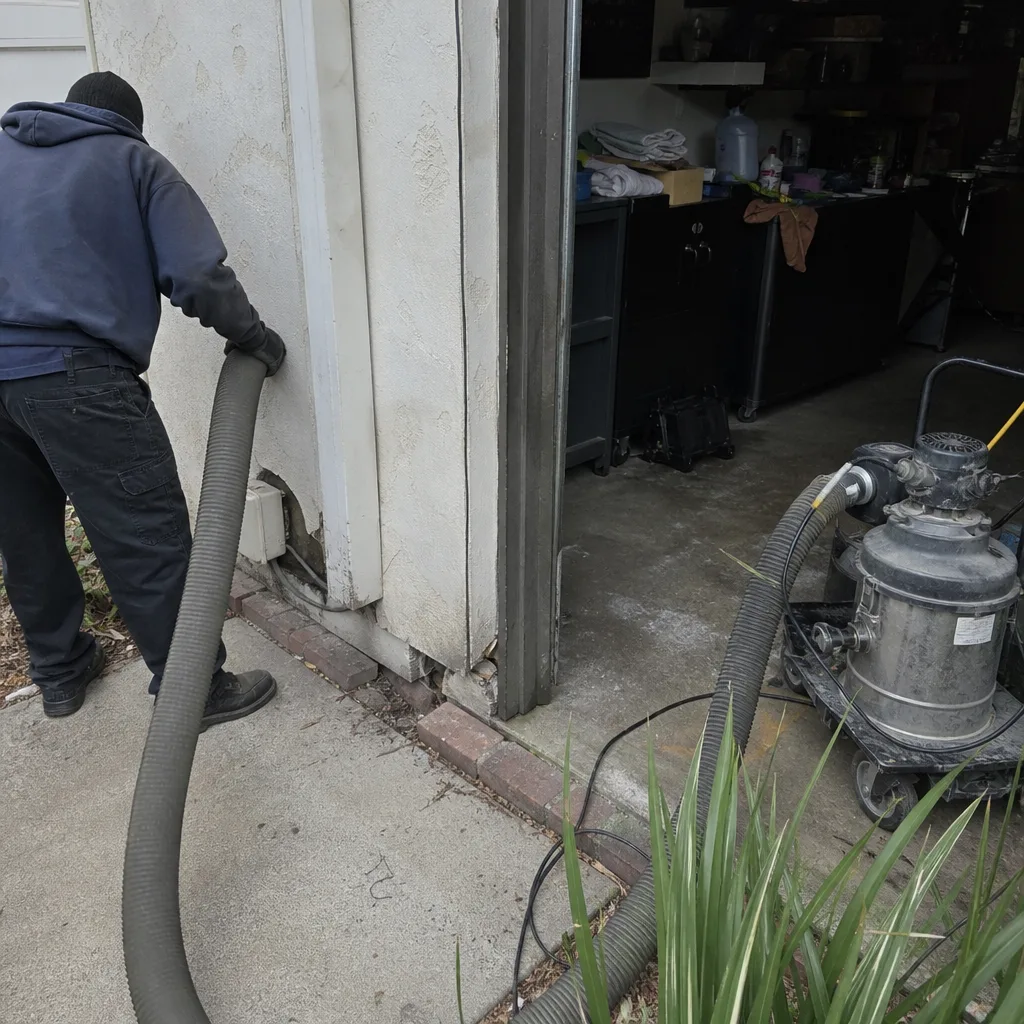 Before
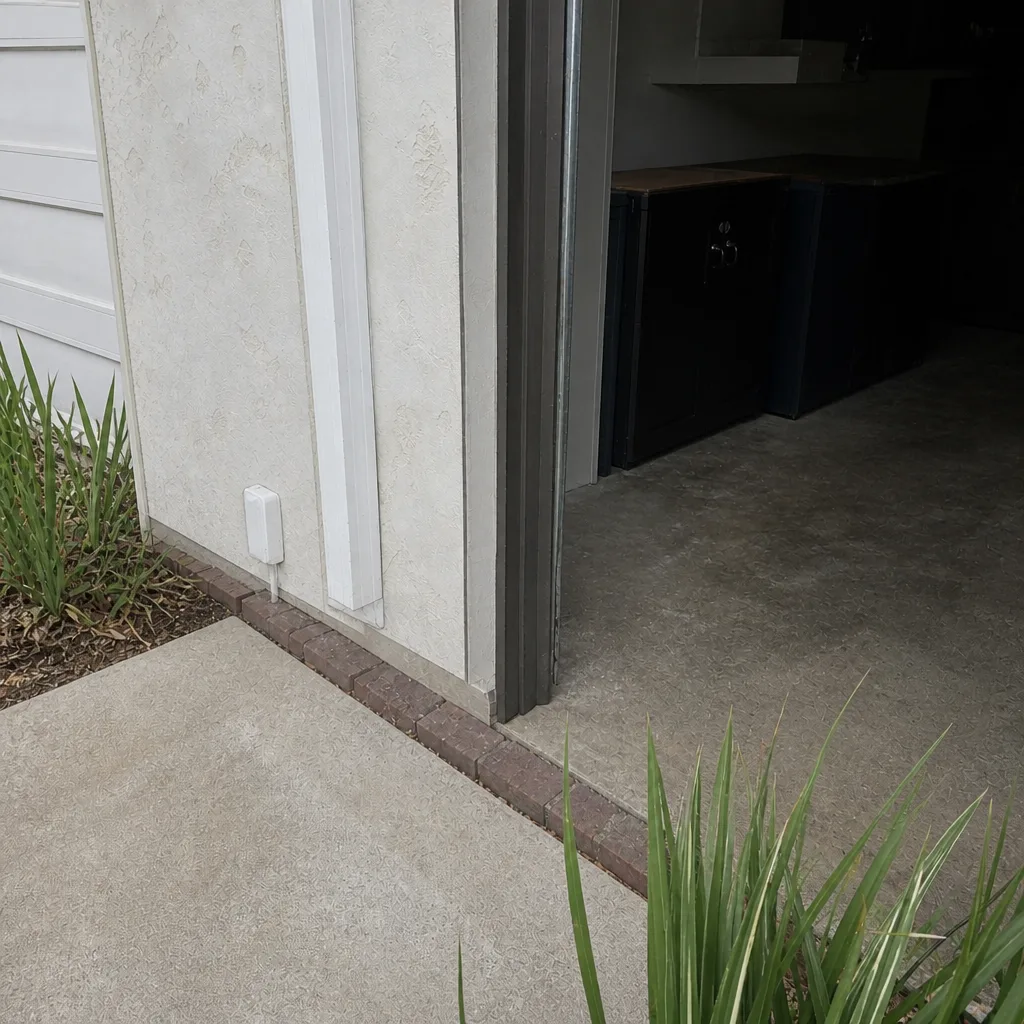 After
When to Call a Professional
Call a professional when the scope of the work extends past what you can physically reach. That means trunk lines, plenums, return cavities, coil cleaning, duct sealing, or any situation involving moisture, mold, pest activity, or post-renovation debris. It also means calling when someone in the home has a respiratory condition and you want the certainty that proper HEPA filtration and negative-air containment will be used throughout the job. And it means calling if you’ve never had the system inspected and want a real baseline before deciding on any cleaning at all.
Air Duct Cleaning Huntington Beach Pros offers free estimates in Huntington Beach. Call (866) 937-8807. We answer 24/7. Fast dispatch from 7am to 7pm, Sunday through Friday. Every job gets a flat price per system agreed before work starts, plus before-and-after photos of your own ducts.
Frequently Asked Questions
You can clean the parts you can reach: the register grilles, the first few inches of duct inside each boot, and short, straight dryer vent runs. You cannot reach the trunk lines, plenums, or return cavities where most contamination accumulates, because consumer vacuums don’t have the airflow or HEPA filtration to extract debris without redistributing it. For surface maintenance, DIY is legitimate. Call (866) 937-8807 for an exact quote on the parts you can’t reach.
A typical whole-home cleaning is priced per system rather than per vent, and the final number depends on the number of runs, the condition of the system, and whether repair, sealing, or sanitizing is needed. You get a flat price agreed before work starts and a written scope. Call (866) 937-8807 for an exact quote. Estimates are free.
Cheaper quotes usually skip the containment setup, use single-machine equipment that can’t reach trunk lines, and price per vent to create a low headline number that expands once the technician is on-site. That’s the bait-and-switch this industry is known for. Ask what equipment will be used, whether negative air is part of the setup, and whether you’ll get before-and-after photos of your own system. Call (866) 937-8807 for a straight answer on what our scope includes.
You get before-and-after photos of your own ducts, not stock images. You can also ask the technician to show you the return cavity and plenum at the start and the end of the job. Any professional operation should be willing to do that. Call (866) 937-8807 if you want to talk through what documentation you’ll receive.
Every three to five years for a typical home that changes filters and has no special conditions. Homes with pets, recent renovations, allergy sufferers, or a history of water damage may need it more often. The right interval depends on your system and how it’s been maintained, not a fixed schedule. Call (866) 937-8807 to talk through your specific situation.
Yes. Change filters on schedule, wash grilles quarterly, vacuum register boots, and inspect accessible ductwork twice a year. Santa Ana wind events push fine dust into the system, so filter changes may need to be more frequent during those periods. Doing the DIY maintenance consistently is the most effective way to push out the next professional cleaning. Call (866) 937-8807 when you’re ready for the next scope.
The Bottom Line
DIY duct cleaning isn’t dangerous, but it is limited. You can maintain what you can reach, and that maintenance has real value. What you can’t do is reach the trunk lines, plenums, and return cavities where the actual contamination lives, because consumer vacuums don’t have the airflow or filtration to move and contain debris at that scale. The right approach for most Huntington Beach homes is a hybrid: DIY maintenance between professional cleanings, and a professional scope set by someone with the equipment (Rotobrush contact systems, Nikro HEPA extraction, Abatement Technologies negative air) to do the full job. Match the equipment to the situation, get a flat price and a written scope before work starts, and ask for photos of your own system. That’s the difference between cleaning and a coupon.
Call (866) 937-8807 for a free estimate. We answer 24/7. Fast dispatch from 7am to 7pm, Sunday through Friday. Our technicians have up to 10 years of experience, and the local pro we connect you with is licensed and insured as their state requires.
Written by the team at Air Duct Cleaning Huntington Beach Pros.