
Last updated November 24, 2026
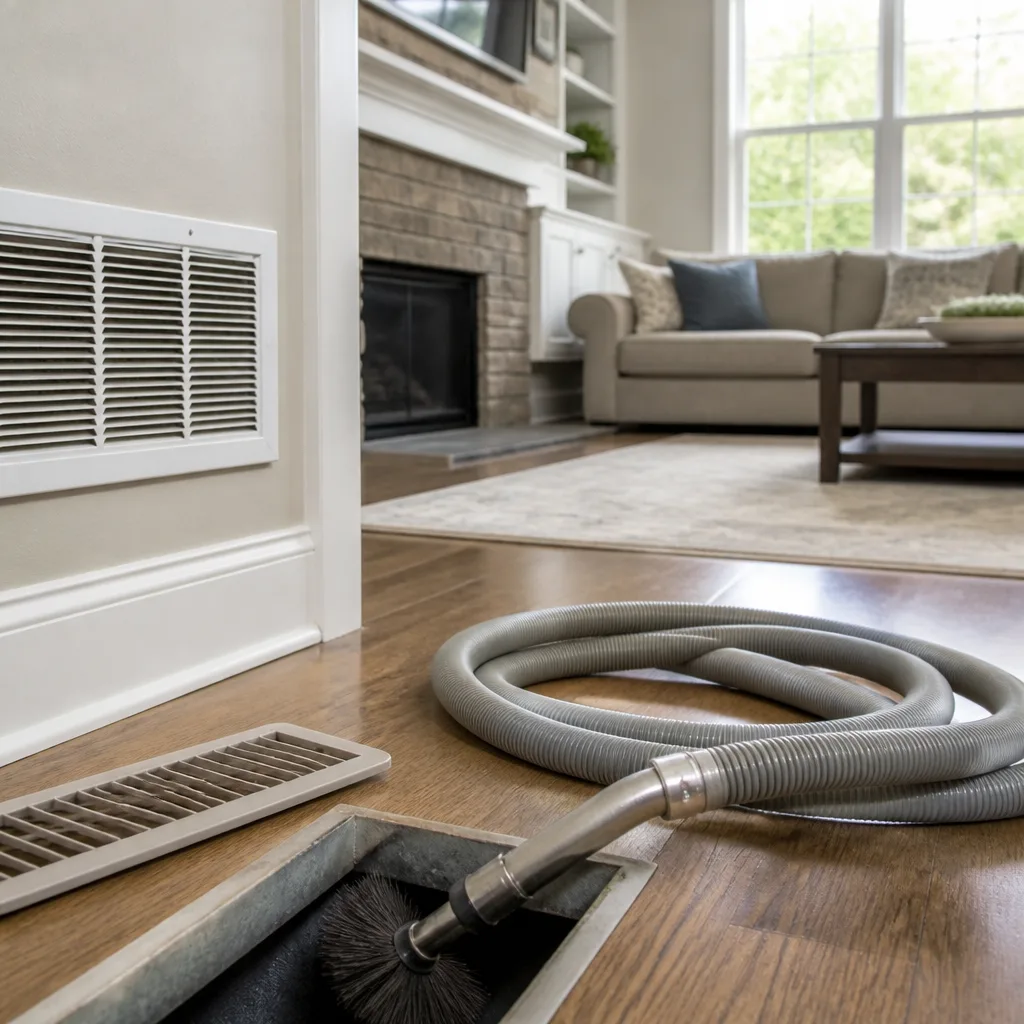 Whole-home duct cleaning
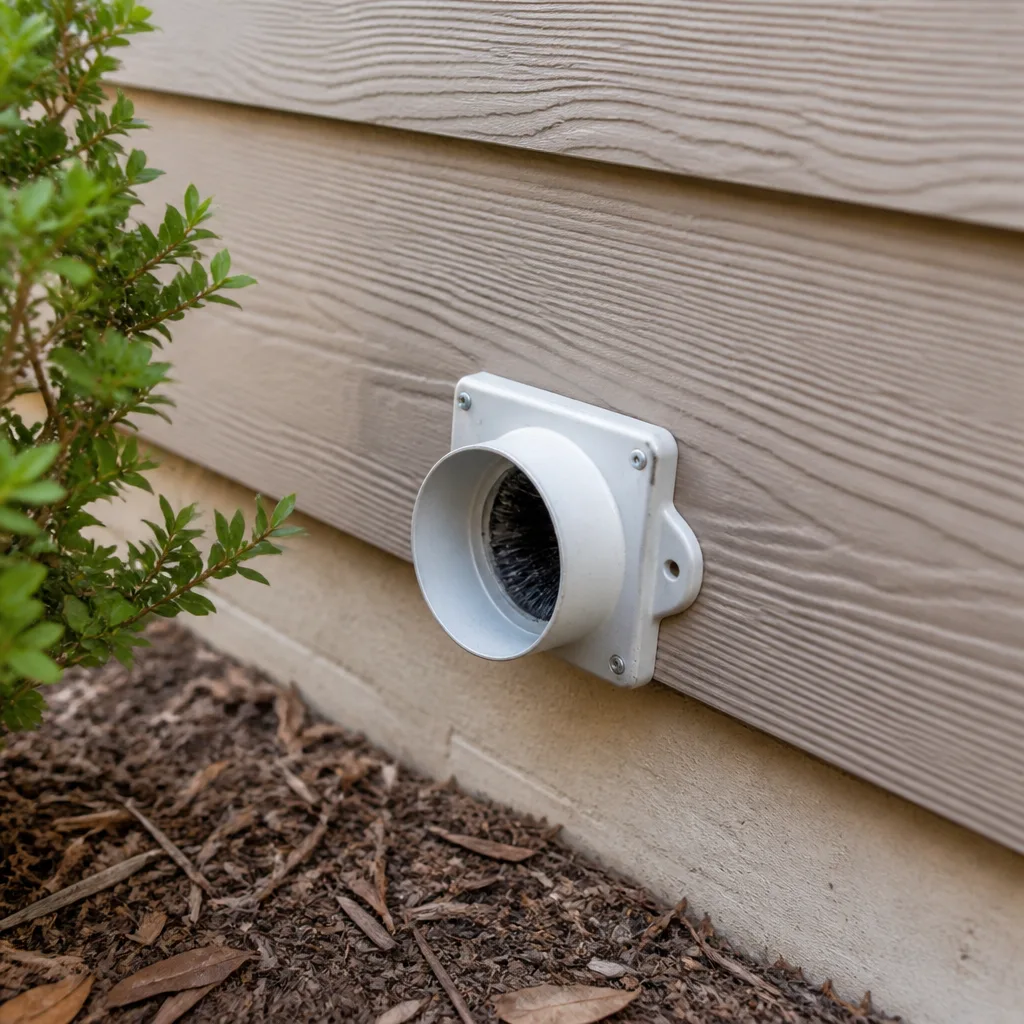 Dryer vent cleaning
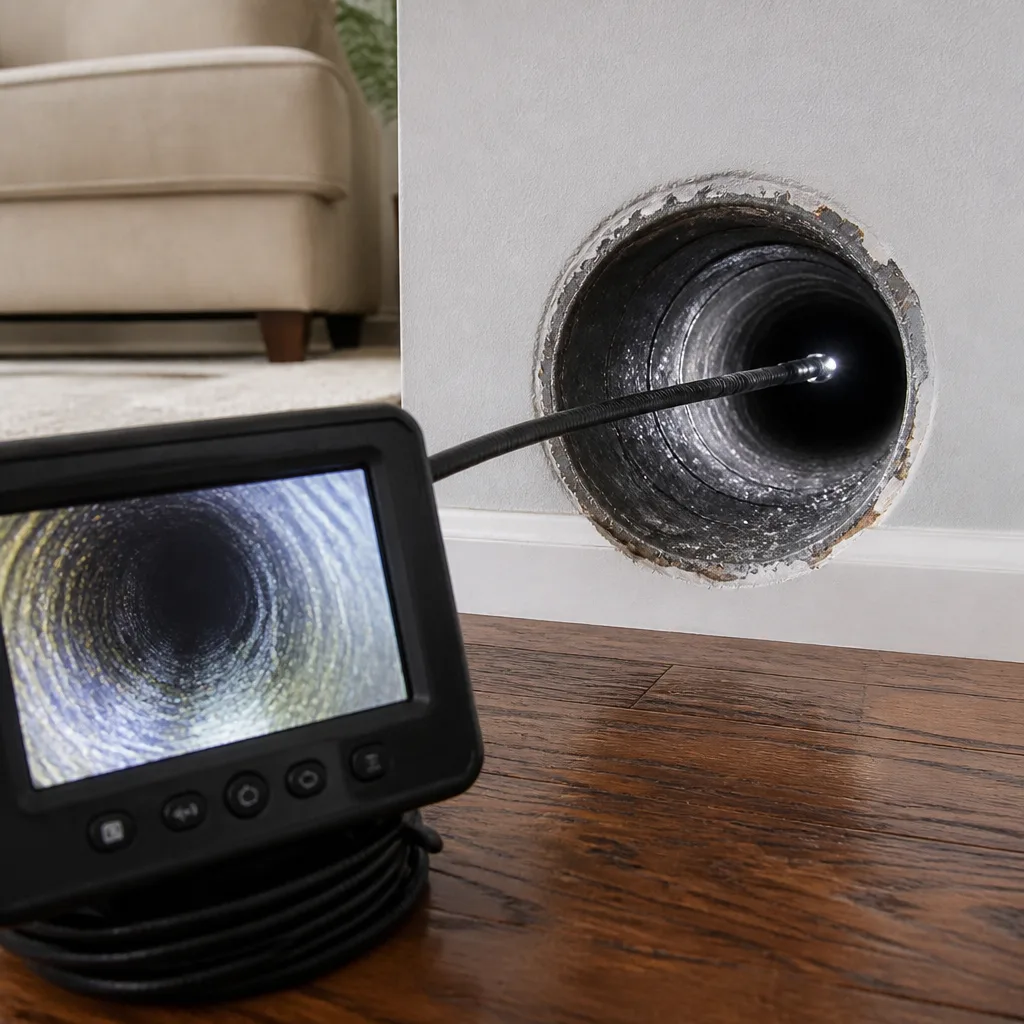 Camera inspection
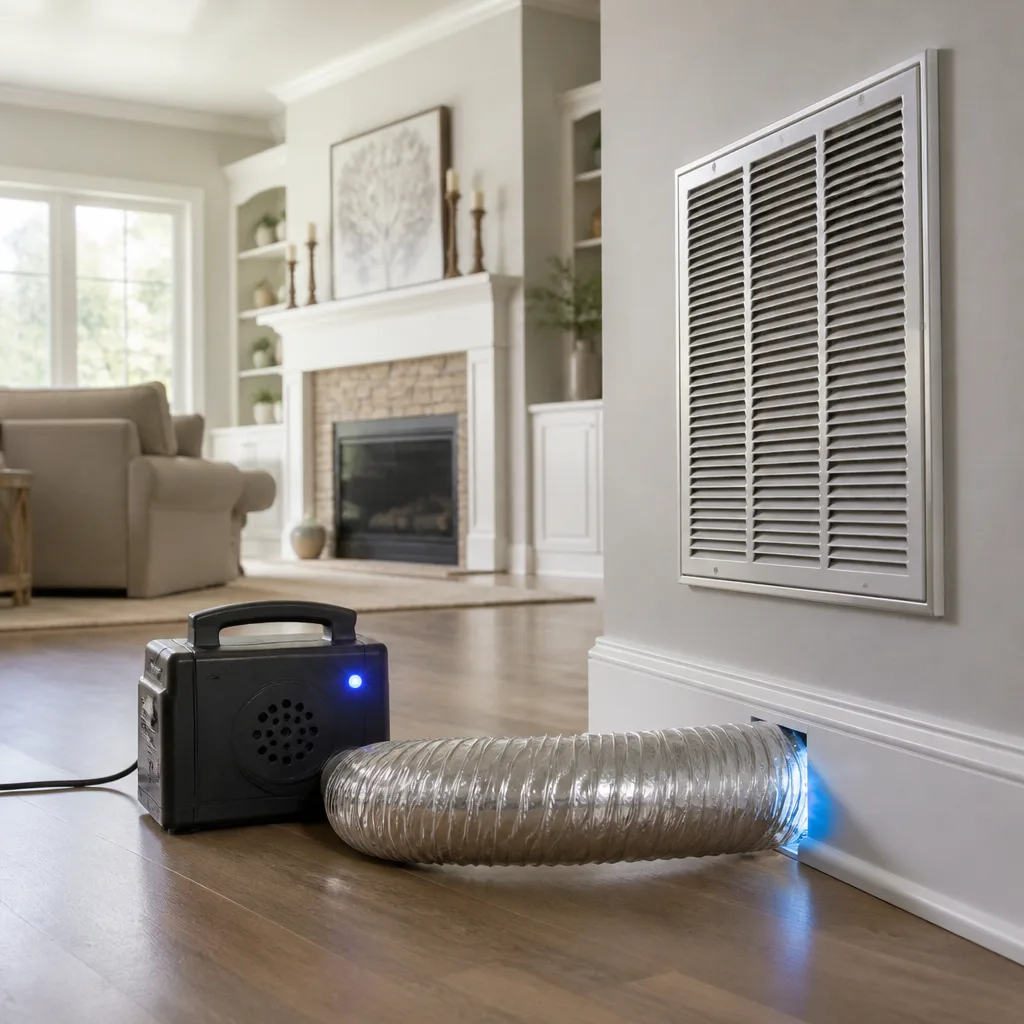 Sanitizing & deodorizing
Whole-system duct and dryer vent check with before-and-after photos - you see exactly what came out of your vents
That "$99 whole-house special" is a bait ad - the real number appears once they are in your hallway, or the "clean" is a shop-vac at the register. We photograph the inside of your ducts before and after instead.
Seasonal Air Duct Cleaning Care for Huntington Beach: Year-Round Homeowner’s Guide
Most homeowners treat duct cleaning as a once-every-few-years chore, something to check off and forget. In Huntington Beach, that approach misses the point. The air moving through your ducts changes with the season here in ways it doesn’t in most of California: marine layer moisture in early summer, dry offshore winds in fall, wildfire smoke drifting in from inland winter fires. Each season loads your system differently, and each one opens a specific window when cleaning, sealing, or filtration work pays off most. This guide maps duct care to Huntington Beach’s actual climate rhythm, so you’ll know what to inspect, when to schedule it, and what most homeowners never think to check.
Quick Answer
Air duct care in Huntington Beach should follow four seasonal checkpoints rather than one annual cleaning: a spring inspection after the rainy season, a summer moisture check on duct cavities during the marine layer, a fall debris assessment around Santa Ana wind events, and a winter filtration review when wildfire smoke reaches the coast. One full professional cleaning per year, staggered with two targeted inspections, keeps a Huntington Beach system ahead of what each season throws at it.
Styles & brands we work with
- Whole-home duct cleaning
- Dryer vent cleaning
- Camera inspection
- Sanitizing & deodorizing
Table of Contents
- Why Seasonal Duct Care Matters More in Huntington Beach
- Spring (March – May): Post-Winter Inspection Priorities
- Summer (June – August): Marine Layer Humidity and Duct Cavities
- Fall (September – November): Santa Ana Wind Preparation and Recovery
- Winter (December – February): Wildfire Smoke and Filtration Decisions
- How to Stagger Cleanings and Inspections for Maximum Value
- Common Mistakes to Avoid
- When to Call a Professional
Why Seasonal Duct Care Matters More in Huntington Beach
Huntington Beach sits in a climate pocket that behaves differently from the rest of the region, and that has real consequences for the inside of your ductwork. The June Gloom marine layer isn’t just a comfort issue. It pushes humid ocean air into return paths, and any duct system with leakage in an attic or crawl space cavity becomes a place where that moisture can condense. By late summer, a small seam gap that never mattered in a drier climate can be supporting mold growth you can’t see.
Then the pattern flips. Fall brings Santa Ana winds that drive dry, particulate-heavy air through the region, and winter can pull wildfire smoke from inland fires toward the coast. A system that handles the wet season gracefully can still be overwhelmed by the dry one. Most air duct cleaning advice assumes a single climate and a single schedule. That’s why our guidance leans into what actually happens in a Huntington Beach home over twelve months.
Here’s the practical takeaway: your HVAC system doesn’t need the same care in March that it needs in October. Matching the work to the season is what separates a system that stays clean from one that quietly degrades. For a full-service walkthrough of what professional cleaning covers, see our air duct cleaning page.
What Changes Season to Season
- Spring: Rainy-season particulate loads filters; ducts pick up pollen and fine grit carried in through returns.
- Summer: Marine layer humidity raises condensation risk in attic and crawl space duct runs.
- Fall: Santa Ana winds deposit dry dust and debris, especially in return plenums.
- Winter: Inland wildfire smoke drifts in and stresses filtration and air quality systems.
Spring (March – May): Post-Winter Inspection Priorities
Spring is when we recommend the first real look at the system, and it’s the inspection most Huntington Beach homeowners skip. Winter rains load outdoor air with fine particulate, and every time the system runs, some of it settles in the return side. By March, your filter has usually been doing more work than you realize, and the duct surfaces downstream of it carry what got past.
The single highest-value move in spring is a filter assessment. Pull the filter and look at it against a light. If you can’t see through it, it’s past due, and that’s not just an efficiency issue. A clogged filter raises static pressure, which forces the blower to work harder and can pull unfiltered air in through the seams. Replace it, then look at what the old one told you about particulate load.
Next, ask a technician to check the accessible duct connections. Look for:
- Loose or separated flex duct joints at the plenum and takeoffs, where winter vibration tends to open gaps.
- Visible dust trails or streaks near seams, which signal air escaping under pressure.
- Filter bypass around the filter frame, where unfiltered air sneaks past.
- Debris in the return plenum, which acts as a collection point for the season’s grit.
If those checks turn up gaps or dust trails, this is the season to book duct repair and sealing alongside a cleaning. Our HVAC cleaning service addresses the whole system, not just the duct runs. Spring work sets up a clean baseline before the humidity arrives, and that baseline is what everything else builds on.
Summer (June – August): Marine Layer Humidity and Duct Cavities
June Gloom is the defining weather feature of summer in Huntington Beach, and it’s the reason duct care here isn’t the same as duct care inland. The marine layer pushes humid air into the region daily, and that moisture finds its way into any duct run located in an attic or crawl space. If that duct system has leakage, the humid air condenses on cooler metal or flex duct surfaces. Do that day after day, and you’ve created a damp environment that supports mold.
What does the early sign look like? Watch for condensation on the outside of accessible flex duct. A little is a red flag during the marine layer season. Persistent moisture, visible dampness at seams, or a musty odor when the system kicks on means the problem has moved past routine maintenance. This is where matching equipment to the job matters. A system with contamination or moisture-driven growth needs more than a shop vac. Our technicians arrive with a Rotobrush contact-cleaning platform to strip material from duct surfaces, Nikro HEPA vacuums to capture fine particulate at the source, and Abatement Technologies negative-air equipment when a duct environment is contaminated or remediation-adjacent. That last piece is what lets a job be handled correctly instead of half-measured.
A few summer priorities:
- Check the accessible duct runs for condensation streaks or damp spots, especially in attic and crawl space cavities.
- Watch for musty odor at supply registers when the system starts, which can point to moisture growth inside a run.
- Keep the filter clean through the humid months, since moist filters can hold growth as easily as they hold dust.
- Seal identified leaks so humid marine air has fewer ways into the system.
If a Huntington Beach home is showing moisture symptoms, the priority is to stop water intrusion at the source and then clean and dry the affected sections. Summer is a good time to schedule a full air duct cleaning Huntington Beach Pros assessment while the humidity window is open, so any moisture issue gets addressed before fall.
Fall (September – November): Santa Ana Wind Preparation and Recovery
Fall brings Santa Ana winds, and if you’ve lived in Huntington Beach more than a season, you know what they do to the air. Dry, dusty, sometimes hot, and loaded with particulate. That air gets pulled into your return system every time the HVAC runs. The two moves that matter here are preparation before a wind event and assessment after it.
Before the winds arrive, upgrade the filter. A finer capture filter loaded with the right specification for your system handles the particulate surge better than a basic one, provided the system can handle the added resistance. That’s a conversation worth having with a technician, because overshooting filter density can strain a blower. Match the filter to the system rather than guessing.
After the winds pass, the important check is the return plenum. That’s where airborne debris tends to settle first. Look for visible grit, dust streaks near the plenum, or a coating of fine dust on nearby surfaces. If the season’s particulate has reached the plenum, the ducts behind it are carrying the rest.
Fall Clean-Up Checklist
- Pre-event: confirm filter specification is appropriate for your blower and system design.
- Pre-event: seal any known duct leaks so wind-driven particulate has fewer entry points.
- Post-event: inspect the return plenum and accessible duct runs for visible debris.
- Post-event: change the filter and note the color and loading for next season’s baseline.
Fall is also when homeowners in Huntington Beach start thinking about their dryer vent. The same wind season that loads ducts can clog an exterior dryer vent cap with debris, and a restricted dryer vent is a fire risk as well as an efficiency problem. Our dryer vent cleaning service handles that on the same visit, so you aren’t hiring separate contractors for a simple fall checklist.
Winter (December – February): Wildfire Smoke and Filtration Decisions
Winter is the season of complicated air in Huntington Beach. Inland fires can push smoke toward the coast, and that smoke doesn’t just sit outside. It gets drawn into any system with leakage and into the return air path. The question most homeowners face in December is when a portable purifier is enough and when the situation calls for a ducted filtration upgrade.
A portable air purifier makes sense for a single room. It’s a good short-term response to a smoke event and it keeps a bedroom breathable. It doesn’t do much for the whole house, and it doesn’t help the air moving through your ducts. That’s where a whole-home filtration upgrade earns its keep. We install and service Honeywell and Aprilaire whole-home air quality systems, which integrate with your HVAC so filtration happens at the system level rather than room by room. When smoke events are recurring, that’s the more durable solution.
Winter also touches one of the three platforms we carry into homes. When smoke or other contamination is significant, Abatement Technologies negative-air equipment lets us keep the work environment controlled while the system is cleaned, which matters when the goal is to remove contamination rather than spread it around.
- Short smoke events: portable purifier in the rooms you use most, filter replacement after.
- Recurring smoke exposure: consider a whole-home filtration upgrade tied to the HVAC system.
- Post-event: change filters and assess the return side for settled particulate.
- Air quality goal: clean ducts are the starting point, not the finish line.
Winter inspections are cheap insurance. A free estimate costs nothing and tells you whether the season’s smoke has pushed particulate into the system. Call (866) 937-8807 to set one up.
How to Stagger Cleanings and Inspections for Maximum Value
The right rhythm for most Huntington Beach homes is one full professional cleaning plus two targeted inspections over the year, timed to the climate checkpoints above. That’s less than a lot of companies will tell you to schedule, and it’s more considered than the once-and-done approach most homeowners default to. The reason for the stagger is simple: each season loads a different part of the system, and inspecting at the right time lets you skip the cleaning that isn’t needed and concentrate on the one that is.
- Spring inspection (March – May): filter and seal check, with a full clean if the return side shows heavy loading. This is the most valuable inspection slot.
- Summer moisture check (June – August): a look at attic and crawl space duct runs for condensation. Add sanitizing if moisture symptoms appear.
- Fall pre-wind check (September): filter upgrade and seal verification before the Santa Ana season.
- Fall post-wind assessment (October – November): return plenum debris check, filter change.
- Winter filtration review (December – February): assess smoke exposure and decide on any whole-home air quality upgrade.
That’s the framework. A home in a newer development with a well-sealed system might only need the spring inspection and one clean. A home with older flex duct in an attic cavity may need the summer moisture check every year. The only reliable way to know is to see the system. Reach out for a walkthrough and get a written estimate before any work starts.
Common Mistakes to Avoid
- Treating duct cleaning as a once-a-year task that happens in any season. Timing matters in Huntington Beach more than in most places, and a July cleaning ignores the moisture window that opened in June.
- Ignoring condensation on visible flex duct during the marine layer. A little moisture at a seam is a sign, not a cosmetic issue. Check it in June, not in August after the musty smell shows up.
- Skipping the spring filter assessment because the filter “still looks fine.” Rainy-season particulate loads a filter in ways that aren’t obvious until you look at it against a light.
- Upgrading to a denser filter during Santa Ana season without checking the system. High-MERV filters can strain a blower that wasn’t designed for the resistance. Match the filter to the system.
- Assuming a portable air purifier solves wildfire smoke. It helps one room. If smoke exposure is recurring in Huntington Beach, a whole-home filtration approach may be more appropriate.
- Booking duct cleaning from a coupon without asking what equipment will arrive. A single shop vac doesn’t handle a contaminated system or a moisture-affected duct run; ask about the equipment and the scope before you book.
- Forgetting the dryer vent. It’s a fire risk that most HVAC-focused companies don’t touch. Have it assessed on the same visit.
When to Call a Professional
Call us when you notice moisture on visible flex duct during the marine layer, when a musty odor arrives with the air conditioning, when visible dust is escaping at duct seams, or when the return plenum shows debris after a Santa Ana wind event. Call when you’re planning a renovation and want the ducts protected and cleaned before the drywall goes up. Call when you’ve had a wildfire smoke event and aren’t sure whether the particulate has settled in the system. And call if it’s simply been more than a couple of years since the ducts were last assessed. Air Duct Cleaning Huntington Beach Pros offers free estimates in Huntington Beach. Call (866) 937-8807. We answer 24/7. Fast dispatch from 7am to 7pm, Sunday through Friday, closed Saturday. Our technicians have up to 10 years of experience, and they arrive with a multi-system equipment toolkit matched to the job.
See the difference
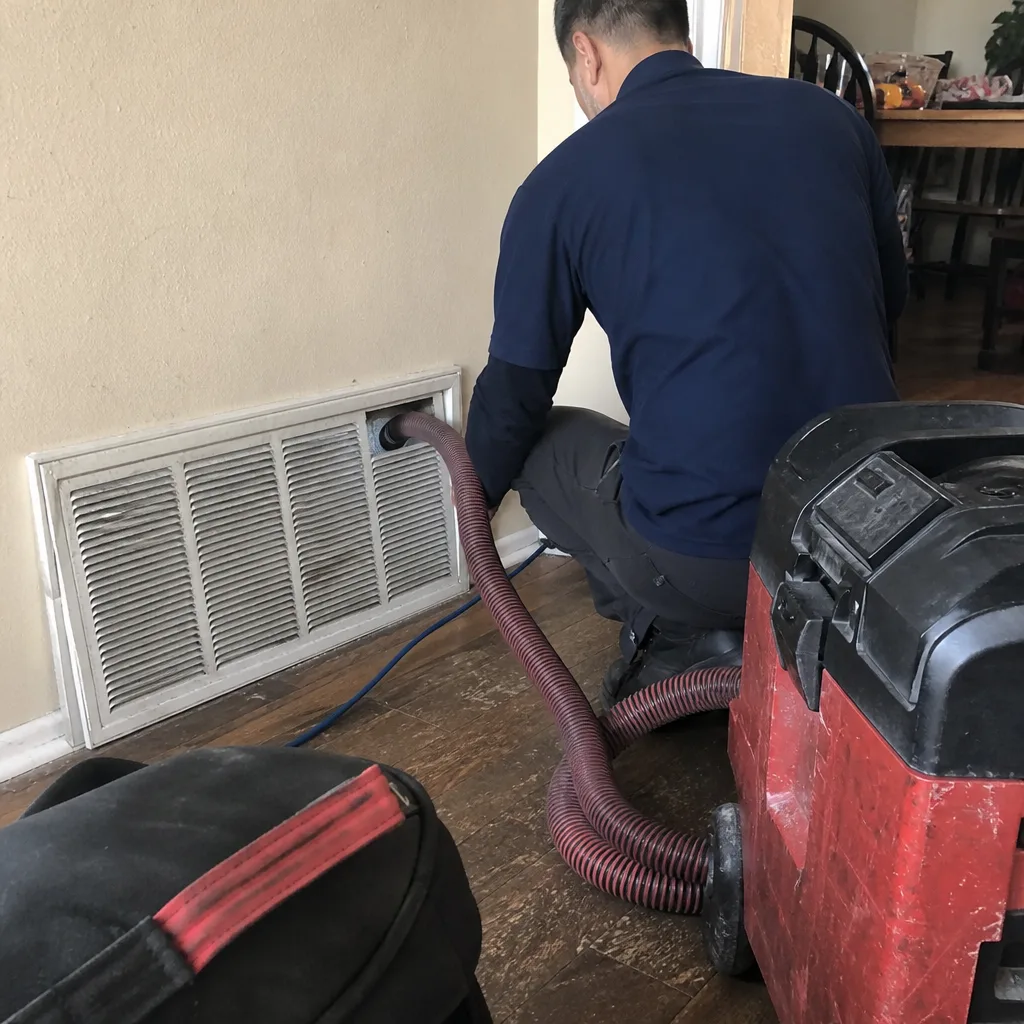 Before
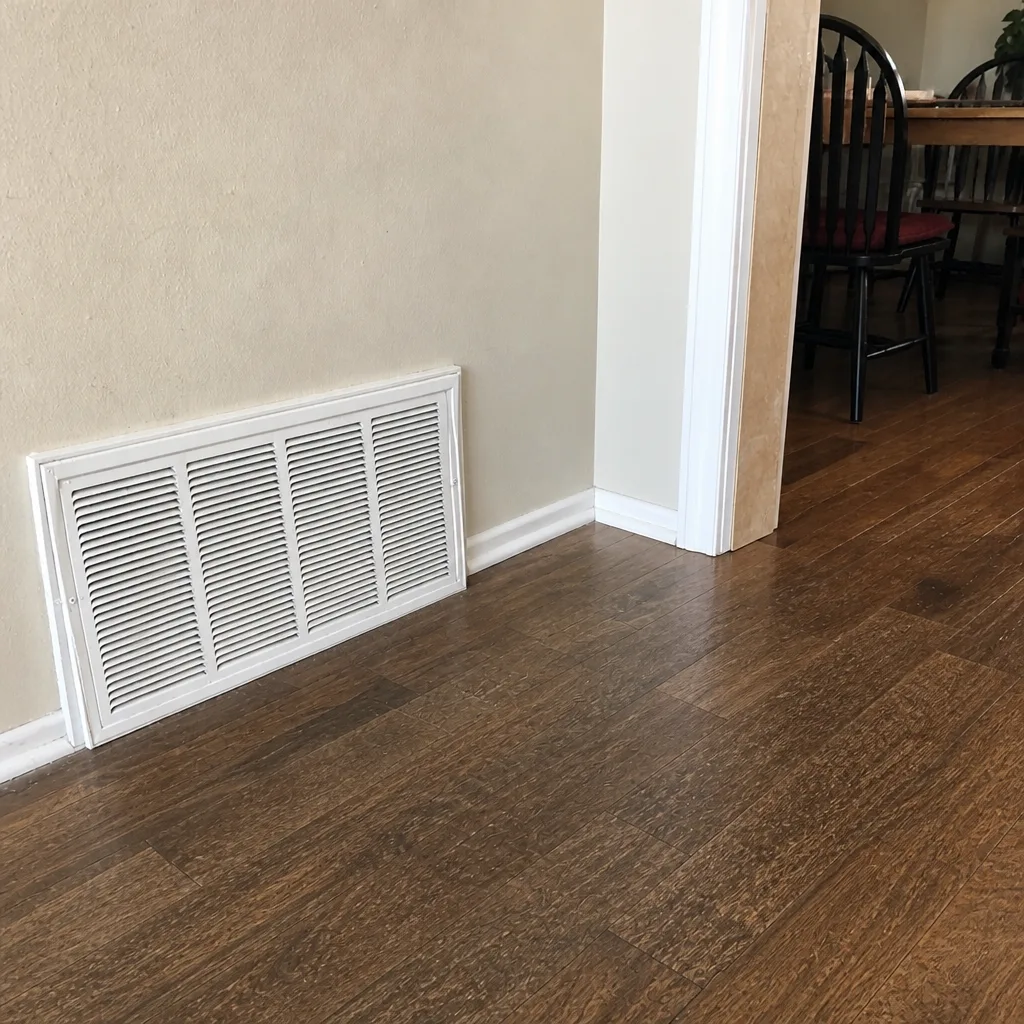 After
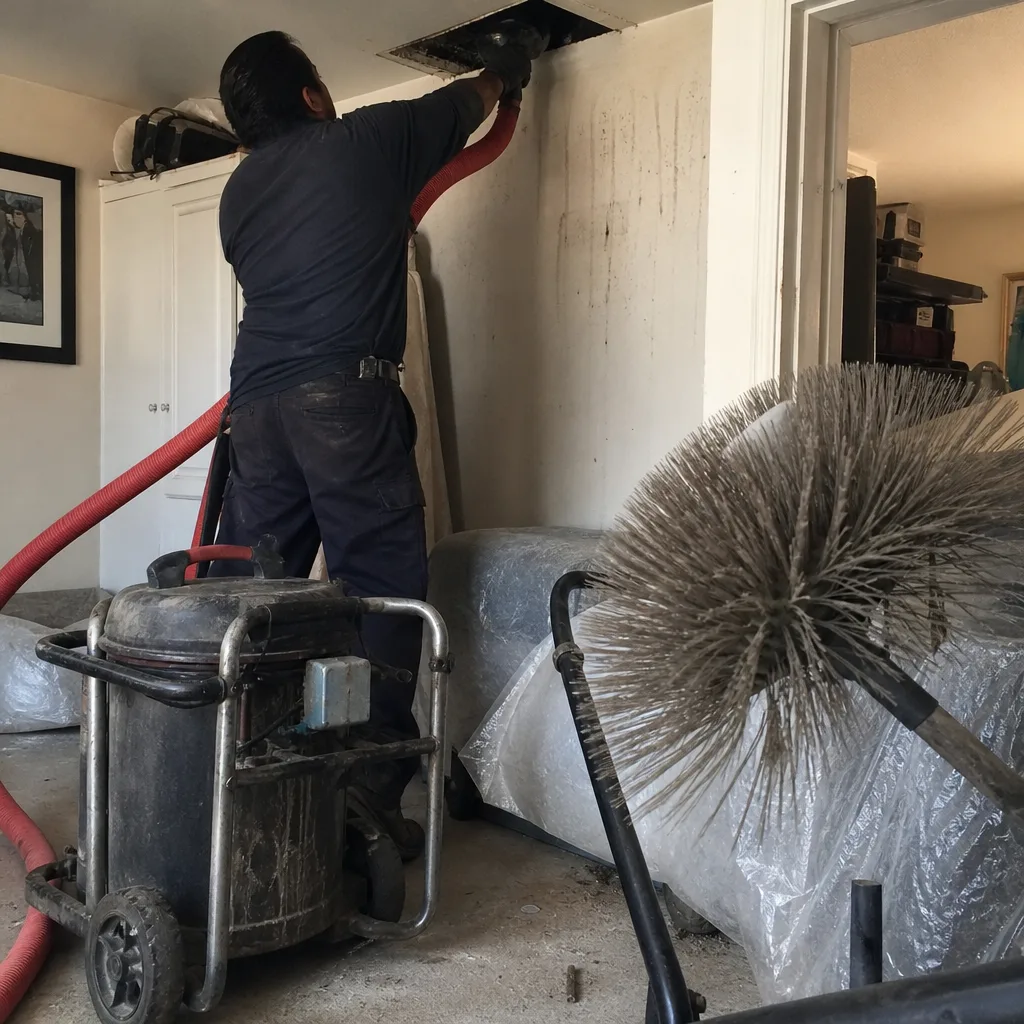 Before
 After
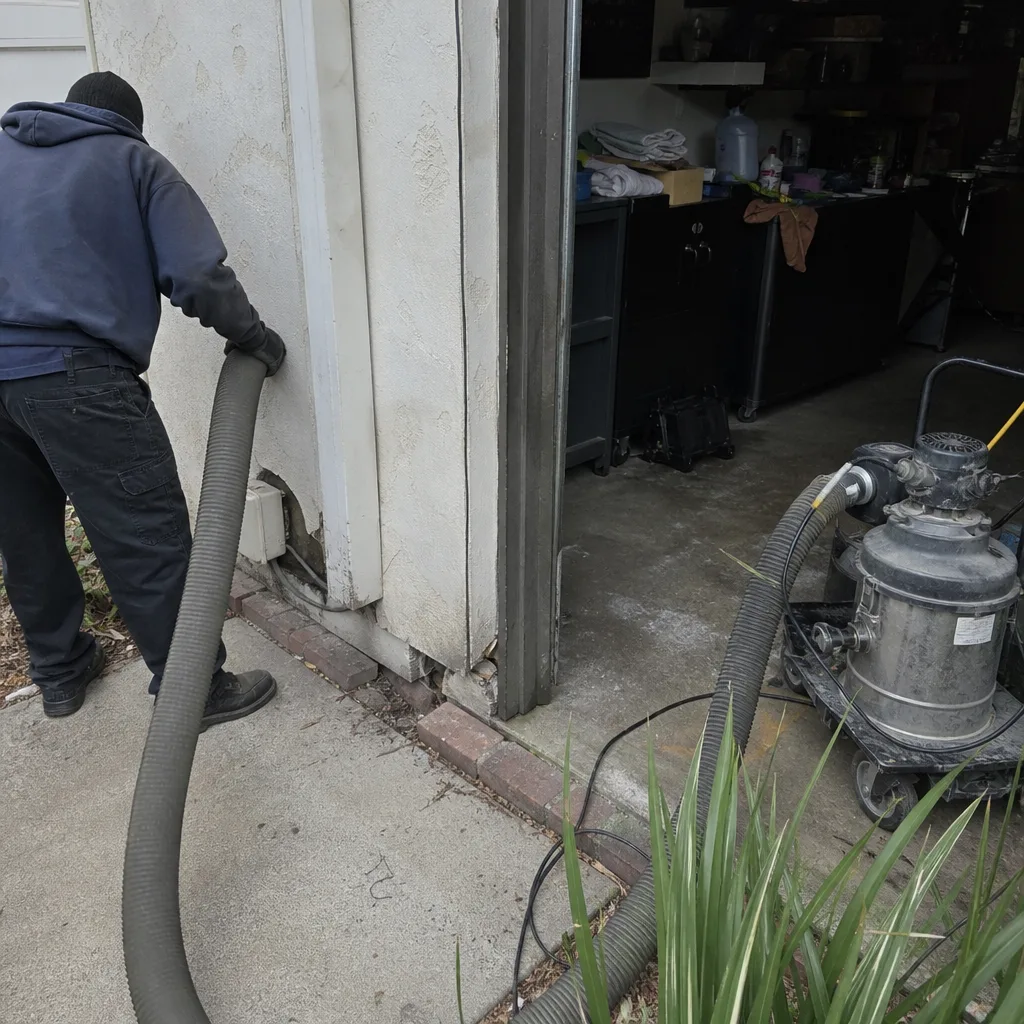 Before
 After
Frequently Asked Questions
Once a year for most homes, with two lighter inspections timed to the marine layer and Santa Ana seasons. Homes with pets, recent renovations, or older duct systems in attic cavities may need a full clean more often. Homes with well-sealed, newer duct systems often do fine on a single clean. Call (866) 937-8807 for an exact schedule based on your home.
Yes. Marine layer humidity condenses on cooler duct surfaces, and duct systems with leakage in attic or crawl space cavities can hold enough moisture to support mold growth through summer. Watch for condensation on visible flex duct and a musty odor at registers. If either shows up, book an inspection rather than waiting. Call (866) 937-8807 for a free estimate.
A professional cleaner should arrive with a real platform, not just a shop vac. Rotobrush contact cleaning strips material from duct surfaces, Nikro HEPA vacuums capture fine particulate before it recirculates, and Abatement Technologies negative-air equipment is appropriate for contaminated or remediation-adjacent systems. Ask what equipment will show up before you book. Call (866) 937-8807 to talk through your home’s needs.
They can be. Santa Ana winds push dry, particulate-heavy air into return systems, and the return plenum tends to collect the debris first. Pre-upgrade the filter and post-inspect the plenum after a wind event. If a Huntington Beach home shows visible debris in the plenum, the ducts behind it typically carry the rest. Call (866) 937-8807 for an assessment.
Short smoke events call for a portable purifier in the rooms you use most. Recurring exposure calls for a whole-home filtration discussion, since a portable unit helps one room while ducted filtration handles the whole system. We install and service Honeywell and Aprilaire whole-home air quality systems. Call (866) 937-8807 for an exact recommendation.
Before-and-after photos of your own ducts should be part of the service, along with a written scope of what was cleaned and sealed before work begins. One flat price per system, agreed in the estimate, removes the surprise-invoice problem homeowners worry about. Call (866) 937-8807 for a free estimate in Huntington Beach.
The Bottom Line
Huntington Beach’s climate asks more of a duct system than most homeowners realize. Marine layer moisture, Santa Ana winds, and inland wildfire smoke each stress the system in a different way, and handling them on a single calendar checkpoint misses all three. Spring inspection, summer moisture check, fall wind prep, winter filtration review: that’s the rhythm that works here. One full clean per year, staggered with two lighter inspections, is the sweet spot for most homes. If you’re not sure where your system stands, get eyes on it. Call (866) 937-8807 for a free estimate, and we’ll help you line up the work with the season that needs it most.
Written by the team at Air Duct Cleaning Huntington Beach Pros.