
Last updated November 24, 2026
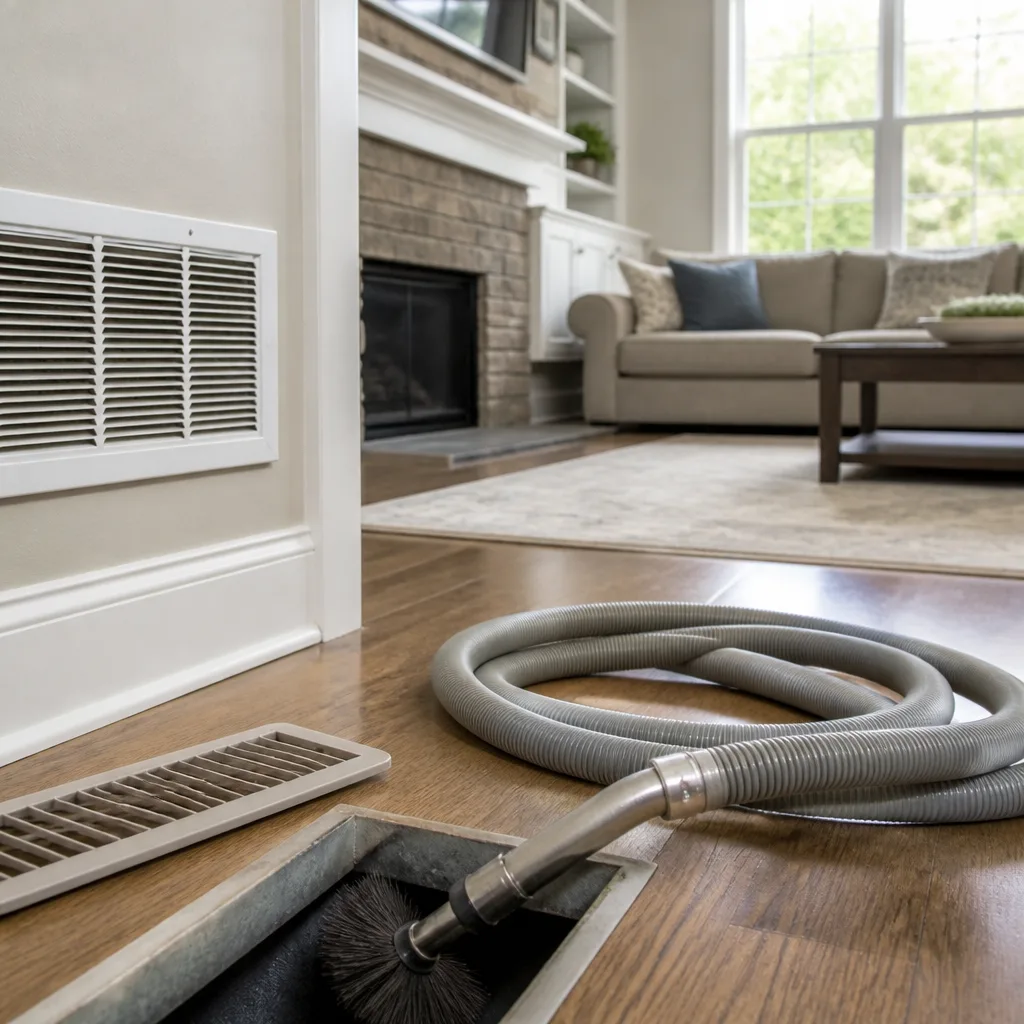 Whole-home duct cleaning
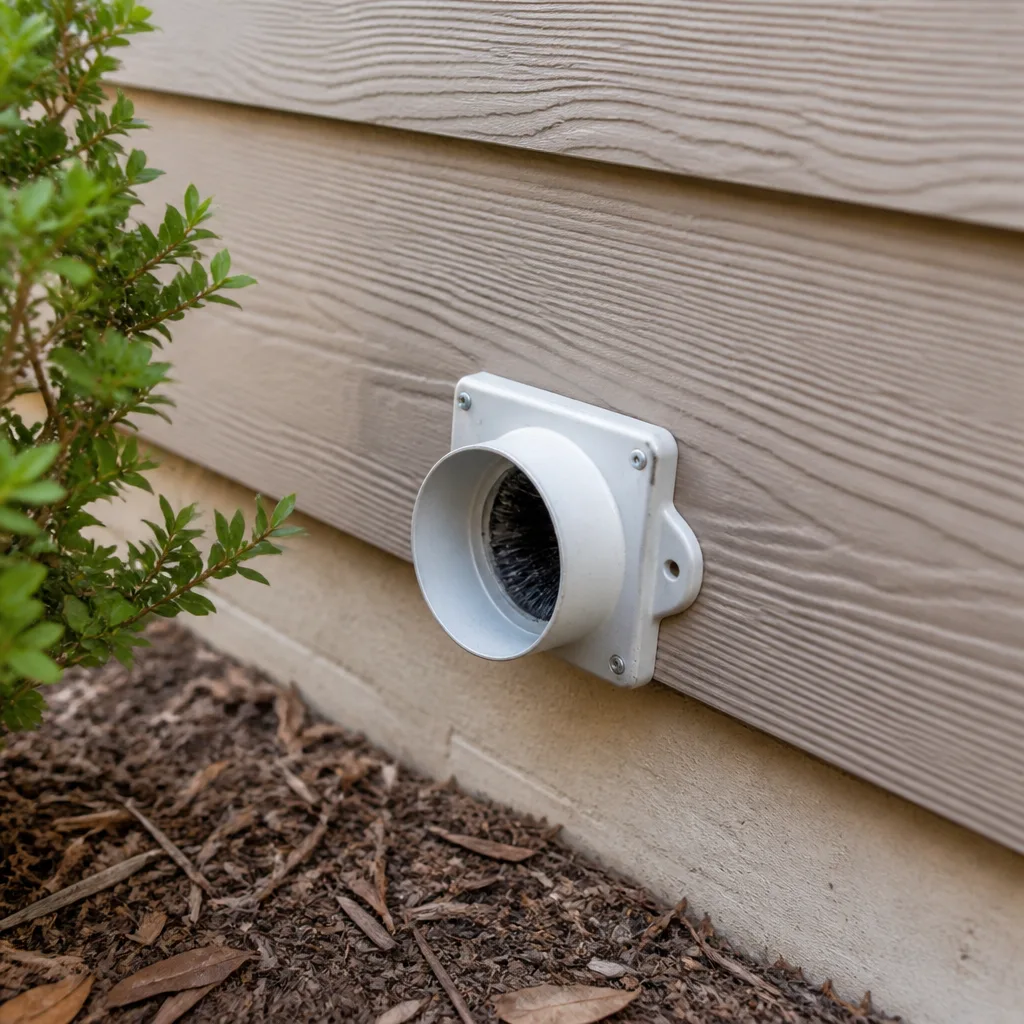 Dryer vent cleaning
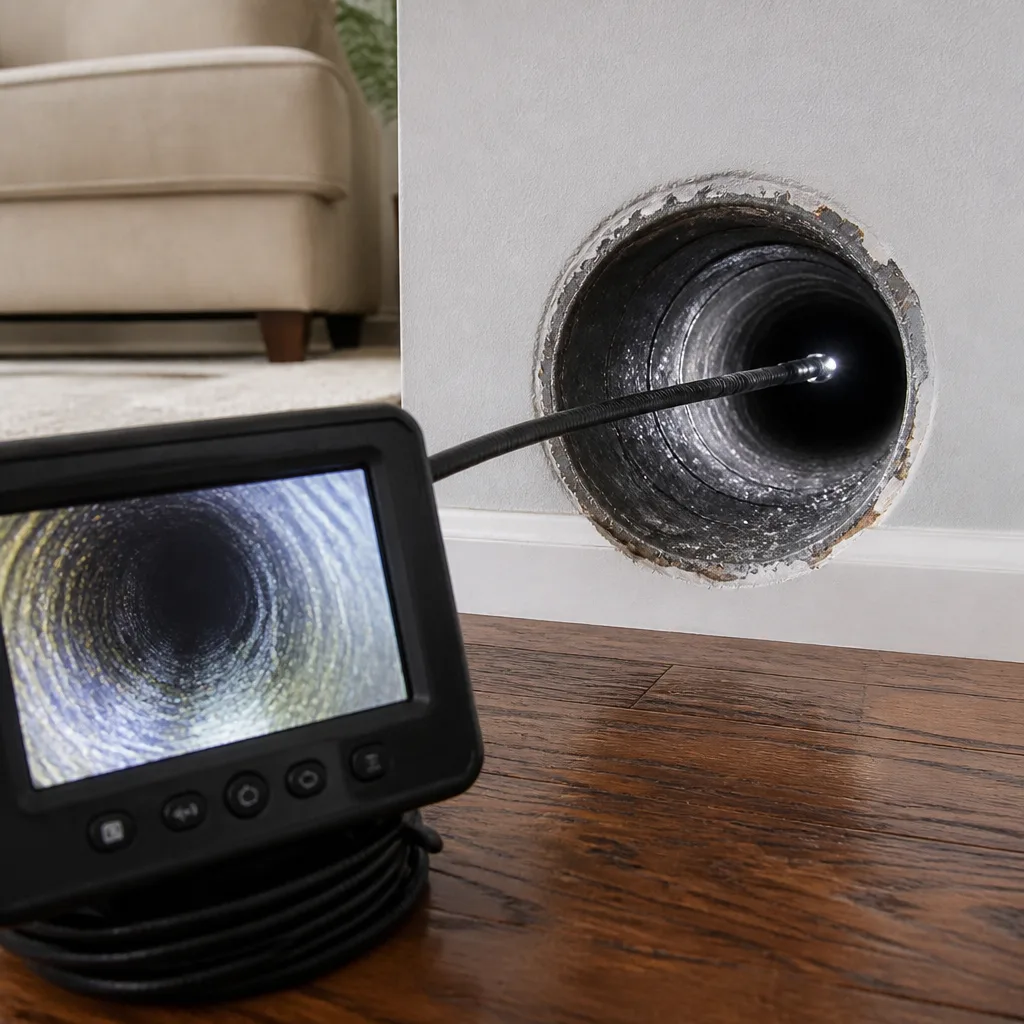 Camera inspection
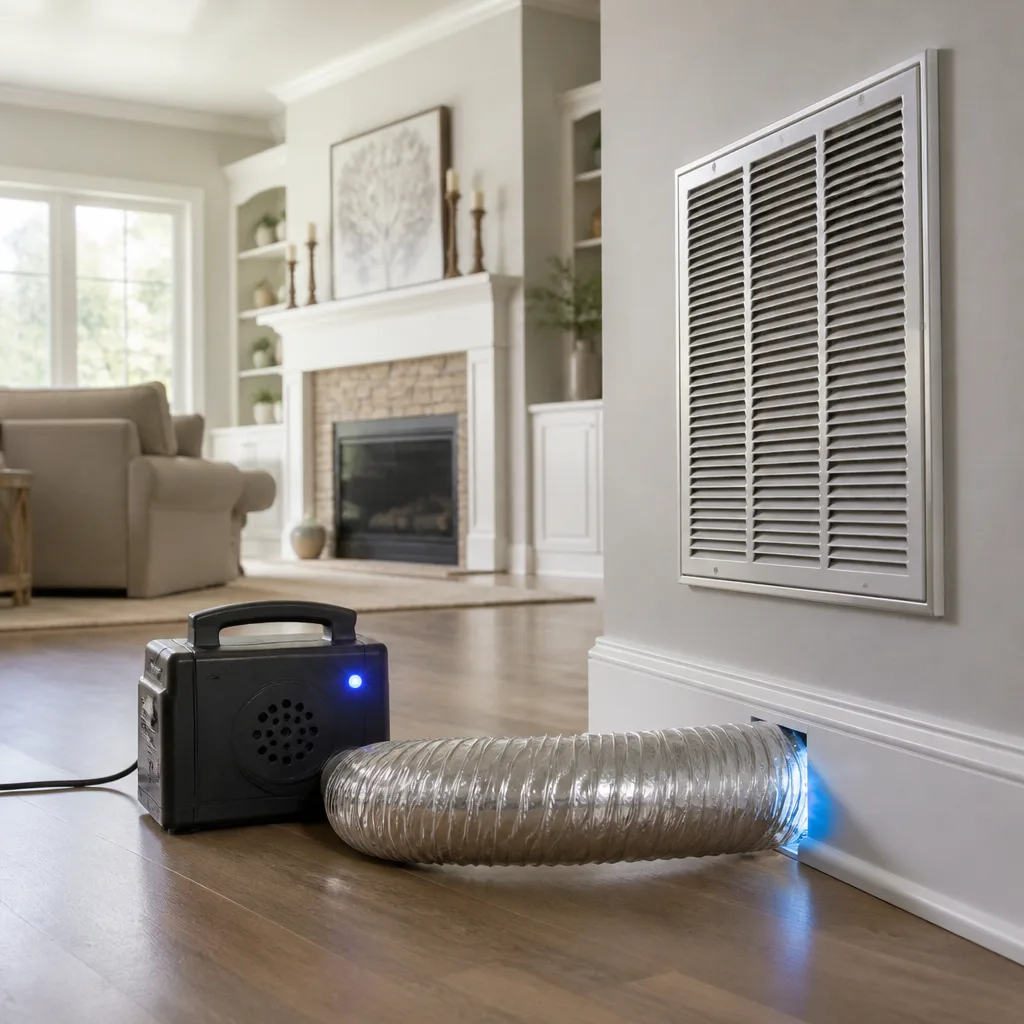 Sanitizing & deodorizing
Whole-system duct and dryer vent check with before-and-after photos - you see exactly what came out of your vents
That "$99 whole-house special" is a bait ad - the real number appears once they are in your hallway, or the "clean" is a shop-vac at the register. We photograph the inside of your ducts before and after instead.
Air Duct Cleaning Maintenance Checklist for Huntington Beach Homeowners
The standard “inspect your ducts once a year” advice was written for the Midwest, where the enemy is a long heating season and a house sealed up tight for five months. Huntington Beach doesn’t work that way. Here, duct contamination arrives in waves tied to the calendar: dry offshore winds that push grit through every gap, smoke that rides in from distant fires on the same wind patterns, and a summer marine layer that keeps the air in your attic cool and damp for weeks. Each event calls for a different response, and treating them all the same is how homeowners end up cleaning ducts that weren’t dirty and ignoring ducts that were. This checklist gives you specific actions tied to specific triggers, so your maintenance follows what your house is actually going through.
Styles & brands we work with
- Whole-home duct cleaning
- Dryer vent cleaning
- Camera inspection
- Sanitizing & deodorizing
Quick Answer
Air duct maintenance in Huntington Beach works best on a trigger-based schedule, not a fixed annual one. Vacuum and inspect registers before Santa Ana wind season, watch humidity and condensation during the June-through-August marine layer, run filtration upgrades ahead of wildfire smoke months, and schedule professional cleaning when you see or smell something the filter can’t catch. A full professional cleaning every few years is right for most homes; the checklist between visits is what keeps that interval honest.
A few terms come up constantly in this guide: MERV (the filter rating scale, higher means finer particles captured), static pressure (the resistance your blower pushes against), and negative air (a cleaning setup that keeps dust from drifting into your living space). We’ll define each as we go.
Table of Contents
- Your Huntington Beach Duct Contamination Calendar
- Filter Upgrades: When Higher MERV Helps and When It Hurts
- Five-Minute Visual Inspections You Can Do Without Tools
- Inspect, Clean, or Seal: Three Different Interventions
- The Post-Renovation Checklist Before You Run the HVAC
- The Dryer Vent: Your Separate Fire-Safety Item
- What Professional Equipment Actually Changes
- Common Mistakes to Avoid
- When to Call a Professional
- Frequently Asked Questions
- The Bottom Line
Your Huntington Beach Duct Contamination Calendar
Huntington Beach has three distinct air-quality seasons that affect what ends up in your ducts, and they don’t overlap neatly. Build your maintenance around them and you’ll stop guessing.
Santa Ana wind season (roughly October through January). These dry offshore winds push dust, plant material, and loose soil inland and along the coast. If your return air grille sits near a door or window that gets opened on those days, you’re pulling that debris straight into the system. This is also the season when residents light fires and landscaping crews clear dry brush, adding fine particulates to the mix.
Wildfire smoke transport (variable, but heaviest in late summer and fall). Smoke from fires hundreds of miles away still reaches Huntington Beach when the winds align. Smoke particles are small enough to pass a standard filter and coat the inside of ducts with a fine residue that smells when the system runs.
Marine layer condensation (June through August). The morning “June gloom” keeps the air cooler and moister than the interior of your home. When that damp air meets a supply duct running through a hot attic, you can get condensation on the duct exterior and sometimes inside poorly sealed systems. Moisture plus dust is what grows mold, which is where our Abatement Technologies negative-air setup earns its keep.
Here’s the working calendar we suggest for a Huntington Beach home:
- September: fresh filter, vacuum all registers, inspect attic duct insulation for sagging.
- October: before the first Santa Ana wind event, make sure door sweeps and attic hatch seals are tight. Run the system briefly and note any smells.
- November through January: check filters every 30 days during wind events. This is the period where filter loading happens fastest.
- February: visual inspection of all registers. Photograph anything that looks different.
- March and April: pollen season. Upgrade filtration if anyone in the home has seasonal allergies.
- May: pre-summer check. Verify return grilles are unobstructed and the condensate line on the air handler is clear.
- June through August: watch for musty odors on startup and damp spots on flexible duct runs in the attic. This is the mold window.
If you’re doing a full reset to match this calendar, our air duct cleaning Huntington Beach pros team can walk through what your specific system is showing.
Filter Upgrades: When Higher MERV Helps and When It Hurts
A higher MERV rating does not automatically mean cleaner air. It means finer particles are captured at the filter, but it also means the blower has to work harder to pull air through. Every HVAC system has a static pressure limit, and exceeding it starves the system of airflow. That’s how higher-MERV filters end up costing homeowners far more in energy use than they save in air quality.
The rules we use in the field:
- MERV 8 is the baseline. If your system was installed with a standard 1-inch filter slot, this is generally what it was designed around. It catches most of what matters for a healthy home.
- MERV 11 to 13 is worth considering if you have 4-inch or thicker filter media, or if anyone in the house has significant allergies. Thick media gives you more surface area, so the pressure penalty is lower.
- MERV 16 and above belongs in special setups (hospital-grade or standalone HEPA systems). Slapping one into a residential return without checking static pressure is a common mistake that shortens blower life.
How to know if your system is over-filtered: listen to the blower. If it sounds strained or the airflow at the far registers drops noticeably, the filter is too restrictive. A simple check is to compare airflow at the closest register to the farthest with a piece of tissue paper.
Huntington Beach homes near busy corridors pick up more road particulate than homes on quiet interior streets, so MERV choice should be a home-specific conversation, not a one-size-fits-all upgrade. When we install whole-home filtration with Honeywell or Aprilaire systems, filter selection is part of the sizing work, not an afterthought.
Five-Minute Visual Inspections You Can Do Without Tools
You don’t need a borescope to catch the early signs of duct problems. Your eyes and nose do most of the work. Here’s the routine we recommend every couple of months.
Register color check. Remove one supply register in each major room. Look at the visible duct interior. New ducts look uniformly grey or silver. Ducts that have been moving dirt for a while show a dark film on the walls, or a distinct dust ring around the register opening. A heavy ring in one room but not others tells you something about that room’s airflow.
Smell test after startup. Run the system on fan-only for two minutes, then stand at a supply register and breathe. A dusty first puff is normal after a filter change. A persistent musty or “dirty sock” smell means moisture somewhere in the system, and that’s a call-now situation, not a wait-and-see.
Airflow balance check. Hold a strip of tissue paper in front of each supply register. The flutter should be roughly similar room to room, minus reasonable differences for register size. If one room is dramatically weaker, you’re looking at a clog, a crushed flexible duct in the attic, or a damper that was never reopened after a remodel.
Return grille inspection. This is where you’ll see the most dust. The return pulls air back into the system, so it’s the point where particulate lands first. A return grille that clogs within weeks of cleaning is a strong sign the system has debris further in.
Attic walkthrough. If your ducts run through the attic, look at the flexible runs once a year. Sagging, kinked, or disconnected sections are visible from ten feet away. Any run lying directly on the attic floor joists through insulation is worth photographing to compare next year.
Inspect, Clean, or Seal: Three Different Interventions
Homeowners often use “duct cleaning” to mean three different services. In our experience, keeping them separate is what saves money and gets the right work done.
Threshold 1: Professional Inspection
An inspection is what you call when something seems off but you’re not sure what. A camera check of the main trunk, the return, and one or two supply runs tells you whether contamination is significant. This is the lowest-cost entry point and often the answer is “nothing urgent here.”
Threshold 2: Professional Cleaning
Cleaning is warranted when inspection finds real buildup, biological growth, debris from a renovation, or evidence of pest activity inside the system. Cleaning uses contact tools (like a Rotobrush whip) to loosen debris from duct walls, then HEPA extraction to capture it. If you’re wondering how to approach air duct cleaning correctly, the standard is: loosen, extract, verify. Any contractor skipping the middle step is just moving dust around.
Threshold 3: Duct Sealing
Sealing addresses a different problem: leakage. Huntington Beach homes built in the 1970s and 1980s, especially in neighborhoods west of Beach Boulevard, often have duct joints that were taped with cloth-backed tape that failed years ago. When you’re paying to cool 100% of your air but losing 20% to leaks in the attic, cleaning alone doesn’t solve the problem. Sealing is the fix for conditioned air escaping, and it’s often the right answer when cleaning isn’t showing much contamination but your energy bill says something’s wrong.
The rule of thumb: if you can see dust, clean. If you can smell something and see moisture, inspect first because the answer may be remediation, not cleaning. If you can feel air escaping at joints, seal. These three are not interchangeable.
The Post-Renovation Checklist Before You Run the HVAC
Drywall dust is the worst thing that can happen to an HVAC system. It’s fine enough to pass a standard filter, abrasive enough to wear blower bearings, and heavy enough in volume to coat everything downstream of the return. Renovations in Huntington Beach, whether a kitchen remodel in a mid-century tract home or a flooring replacement in a newer build, both generate it. Here’s the sequence before you turn the system back on after any interior work.
- Cover every supply and return register in rooms affected by the work, and all adjacent rooms too. Plastic sheeting taped over the grille is not enough; you want the duct opening itself blocked.
- Turn off the HVAC at the thermostat AND the breaker if your contractor is using tools that generate heavy dust. Do this the first day, not after the walls are down.
- Run the renovation with negative air pressure in the work zone if possible (a fan blowing out a window). This pulls dust outside instead of into the rest of the house.
- Vacuum the entire work zone with a HEPA vacuum before removing register covers. Dust settles upward as well as down, so wipe the tops of doorframes and light fixtures too.
- Change the filter before first system startup. Then change it again 30 days later. Two filter changes is not waste; the second one catches what the first pass dislodged.
- Have the system professionally cleaned if the work was extensive, involved demolition, or if any visible dust entered the return.
- Walk every room with the system running on fan-only for ten minutes and sniff each register. Any musty or chemical smell is a follow-up call.
Our HVAC cleaning visits after major renovations are structured around this exact sequence, because in our experience the dust is downstream of the work zone even in homes where the contractor did everything right.
The Dryer Vent: Your Separate Fire-Safety Item
Air ducts move conditioned air. The dryer vent moves hot, lint-laden exhaust, and it needs its own maintenance track. It’s the one duct in the house where the buildup is flammable, and it’s the one duct that most HVAC-focused services ignore or subcontract out. We handle it in-house.
Here’s the maintenance schedule we recommend:
- Every load: clean the lint trap. Non-negotiable.
- Every 3 months: pull the dryer out and vacuum the vent connection and the space behind the machine. Look for crushed or kinked flexible duct.
- Every 12 months, or sooner if you notice clothes taking longer to dry: professional dryer vent cleaning. This is where the long-run buildup gets removed.
- Immediately: if the dryer feels unusually hot, if you smell something burning, or if the exterior vent flap doesn’t open when the dryer runs.
The exterior vent location matters in Huntington Beach. Some homes vent to a wall, some to the roof, and some have very long runs through the interior. Long interior runs accumulate lint faster and need more frequent cleaning. The type of vent flap also matters; the lightweight plastic ones can stick and silently reduce exhaust flow.
What Professional Equipment Actually Changes
You can do most of this checklist yourself. The reason professional cleaning still matters is the tools, not the intent. A shop vacuum with a hose taped to the register can pull loose dust from the first few feet of a duct. It cannot reach the trunk, cannot loosen debris from duct walls, and cannot prevent what it disturbs from redistributing through the house.
The difference comes from three things:
- Contact cleaning. A rotating whip head physically scrubs the inside of the duct wall. We use Rotobrush systems because the whip reaches debris that a suction-only tool leaves behind.
- HEPA extraction at the source. Nikro HEPA vacuums capture fine particulate at the cleaning point, so what gets loosened gets captured before it drifts into the room.
- Negative air containment. For contaminated systems, mold-affected ducts, or heavy post-renovation debris, Abatement Technologies negative-air equipment keeps the working area under pressure, so contamination goes out, not into your living space.
We match the equipment to the job. A dirty but not-contaminated residential system doesn’t need remediation-grade setup. A post-mold or pest-affected system absolutely does. Our technicians have up to 10 years of experience with all three platforms, and we also work with Guardsman surface-protection products to protect flooring and furniture during the service.
Common Mistakes to Avoid
- Cleaning ducts on a fixed annual schedule regardless of conditions. A Huntington Beach home near a construction site, a busy road, or a stand of dry eucalyptus needs a different cadence than one on a quiet interior street. Match the schedule to the actual triggers.
- Going straight to a MERV 16 filter. Slapping a maximum-efficiency filter into a 1-inch slot without checking static pressure strains the blower and can reduce airflow at the far registers. Step up gradually and listen to the system.
- Treating “duct cleaning” as one service. Cleaning, sealing, and inspection are three different interventions with different thresholds. Paying for cleaning when the real problem is leaks is money not well spent.
- Running the HVAC during interior remodeling. Drywall dust is abrasive and fine enough to pass most filters. Cover registers, turn off the system, and plan for two filter changes after the work.
- Ignoring the dryer vent because “the ducts were just cleaned.” The dryer vent is a separate system with a separate risk profile. It needs its own annual service regardless of what happens with the HVAC ducts.
- Trusting a quote that swings wildly below the rest. In our experience, teardown-level low quotes usually become larger invoices once the technician is on site. Ask for a written estimate per system before work starts and get before-and-after photos of your own ducts.
- Skipping the smell test. A musty or dirty-sock smell in the supply air is the most reliable early sign of moisture in the system. Waiting for visible mold is waiting too long.
When to Call a Professional
Call when you see or smell something that a filter change won’t fix. That includes a persistent musty odor from supply registers, visible dust rings around multiple registers within weeks of cleaning, evidence of a pest in the ductwork, visible mold anywhere in the system, or a renovation that generated heavy drywall dust. Call for inspection (not cleaning) when the system is working but something feels off. Call for dryer vent service on an annual track regardless of HVAC history. And call if the airflow at multiple registers has dropped noticeably without an obvious filter cause, because that’s a sign of a crushed flex duct or a failing damper, not a filter problem.
Air Duct Cleaning Huntington Beach Pros offers free estimates in Huntington Beach. Call (866) 937-8807. We answer 24/7. Fast dispatch from 7am to 7pm, Sunday through Friday.
Frequently Asked Questions
Most Huntington Beach homes do well with professional cleaning every 3 to 5 years, though there’s no universal interval. Homes near the coast-facing corridors, homes near active construction, homes with pets, and homes that have recently completed a renovation usually fall at the shorter end. Homes with a well-sealed system, a clean filter routine, and no external triggers can stretch toward the longer end. The right answer comes from an inspection that looks at your actual system, not from a schedule.
Call (866) 937-8807 for an exact quote – estimates are free.
Cheap quotes usually reflect a suction-only service without contact cleaning or HEPA extraction, or a teaser price that grows once the technician is on site. Contact cleaning with proper extraction takes longer and uses more equipment, and that shows up in the honest price. Always ask for a written estimate per system that’s agreed before work starts, and ask how the contractor verifies the work with photos of your own ducts.
Call (866) 937-8807 for an exact quote – estimates are free.
Before-and-after photos of your own ducts. Any professional you hire should be able to show what the ducts looked like before cleaning and what they look like after, at the trunk and at a sampling of runs. Ask for photos before the work starts so there’s no ambiguity about which ducts were photographed. In our experience, a contractor unwilling to photograph the inside of your ducts is a contractor you should walk away from.
Call (866) 937-8807 for an exact quote – estimates are free.
No. Higher MERV captures finer particles but adds resistance to airflow, which strains the blower and can reduce delivery at far registers. MERV 8 in a standard 1-inch slot is fine for most homes; MERV 11 to 13 is worth considering with 4-inch media or with allergy concerns. Higher ratings belong with thicker media or standalone filtration systems, and filter sizing should be matched to your system’s static pressure, not chosen by label.
Call (866) 937-8807 for an exact quote – estimates are free.
Yes, if the remodel involved demolition or drywall work. Wood dust from cabinet removal, drywall dust from wall openings, and flooring dust from tile or LVP tear-out are all fine enough to pass a standard filter and coat the inside of your system. Cover registers before demolition, run negative air in the work zone, change the filter immediately after, and get professional cleaning if visible dust entered the return. Running the HVAC mid-remodel is the mistake that turns a clean system into a dirty one.
Call (866) 937-8807 for an exact quote – estimates are free.
Yes. Both are part of our standard scope, and combining the visits is usually the most efficient way to get a full picture of what your home’s air systems look like. The dryer vent gets its own equipment and its own inspection because it’s a different contamination profile, even though it’s booked alongside HVAC duct service.
Call (866) 937-8807 for an exact quote – estimates are free.
The Bottom Line
Huntington Beach duct maintenance works best as a trigger-driven routine, not a box on an annual checklist. Santa Ana winds, wildfire smoke transport, and the summer marine layer each push a different kind of contamination into your system on a different calendar, and the right response differs by trigger. Pair the seasonal checklist with a sensible filter strategy, the five-minute visual inspections you can do yourself, and the three-threshold rule separating inspection from cleaning from sealing. Then bring in professional equipment when the situation calls for it. Clean ducts are the starting point. Better air across the whole year is the goal, and the checklist is what gets you there.
When you’re ready to have someone look at what the checklist turns up, call (866) 937-8807 for a free estimate. We answer 24/7. Fast dispatch from 7am to 7pm, Sunday through Friday.
Written by the team at Air Duct Cleaning Huntington Beach Pros.
See the difference
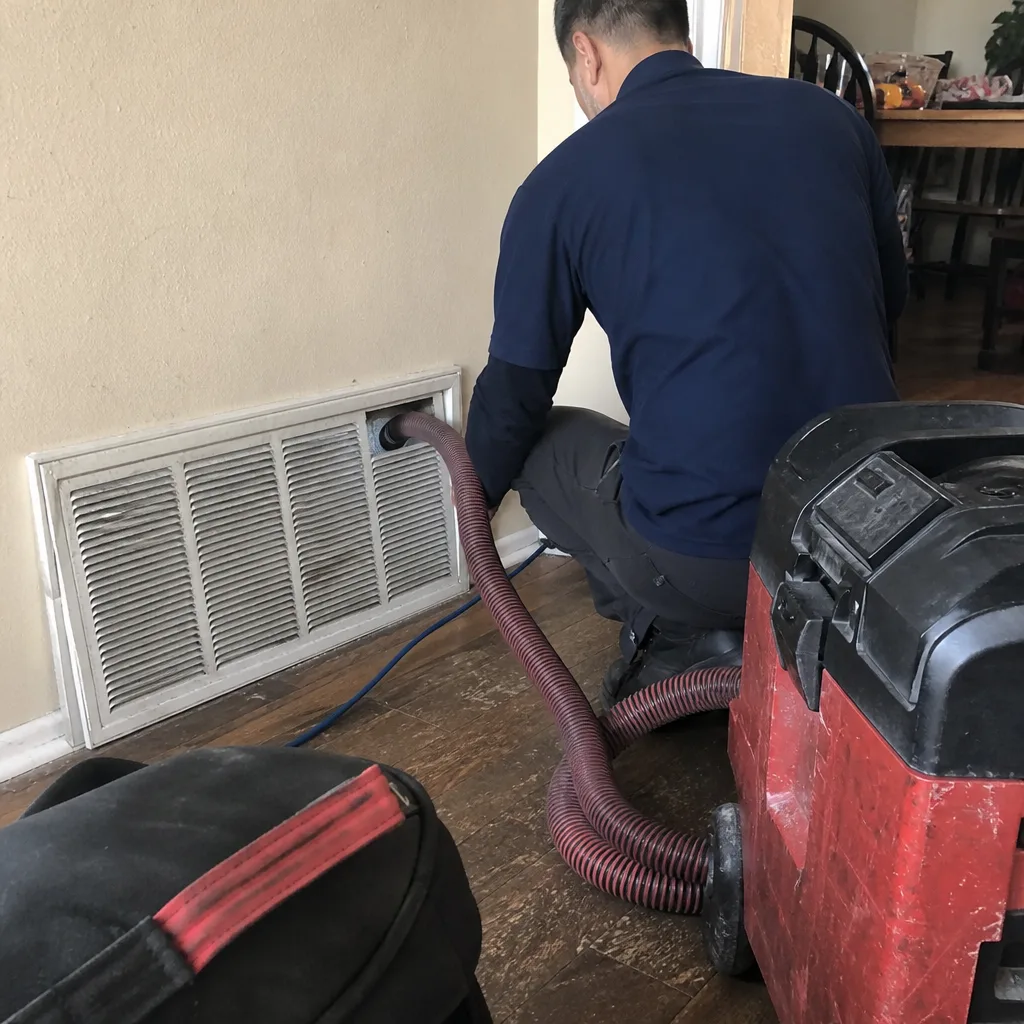 Before
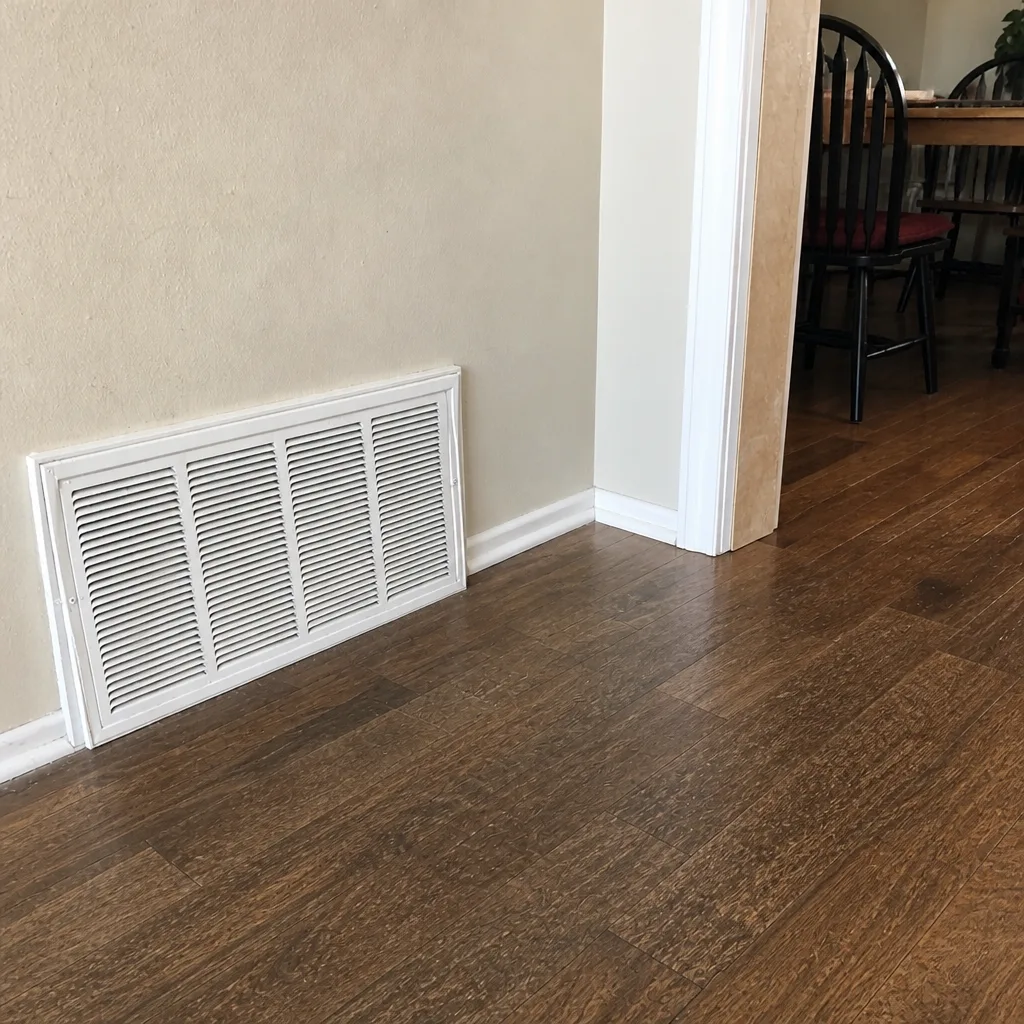 After
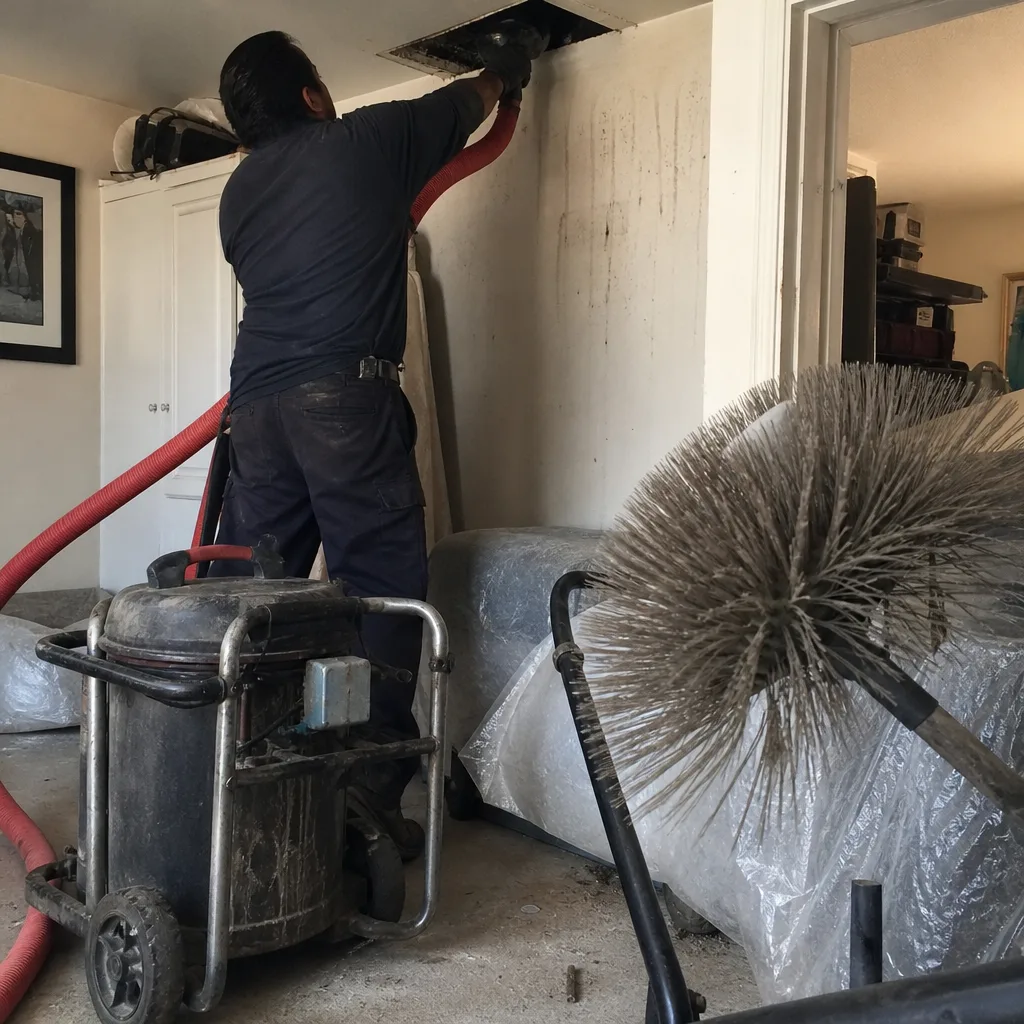 Before
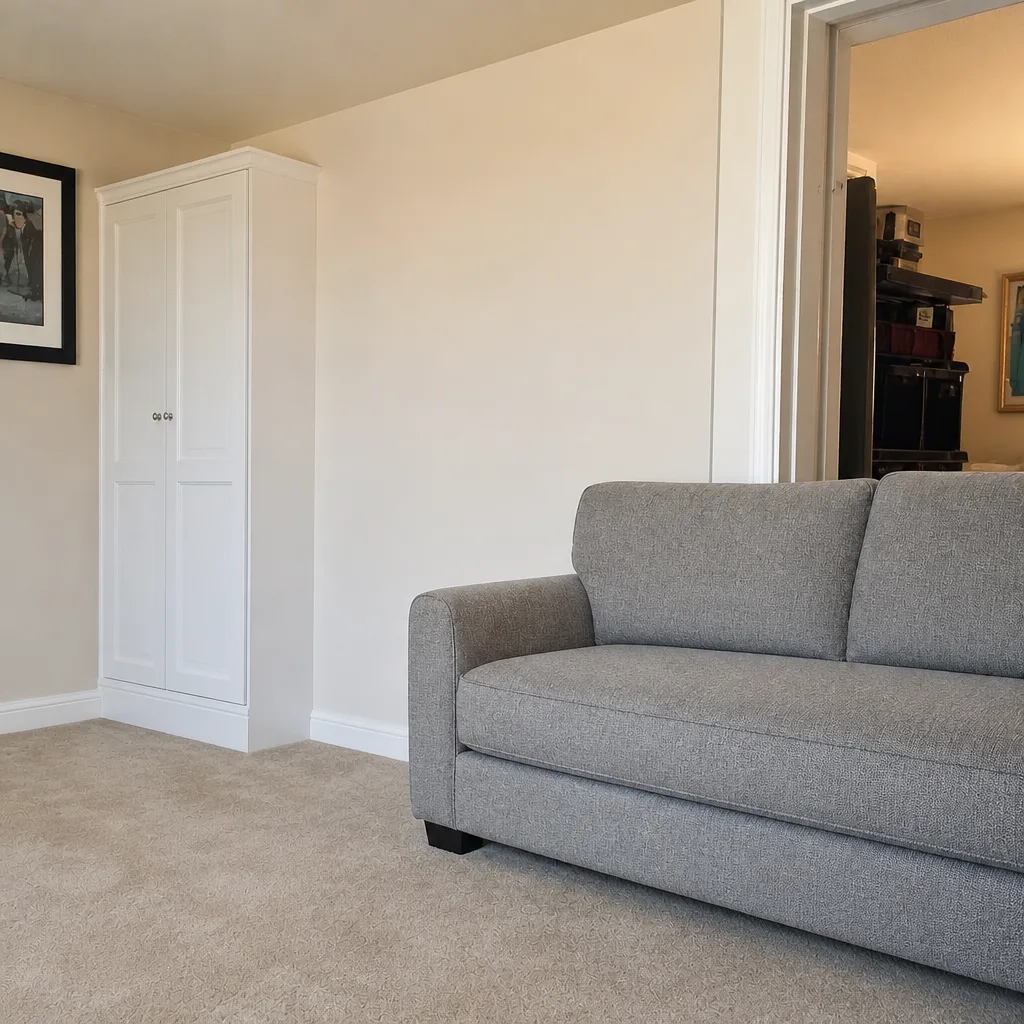 After
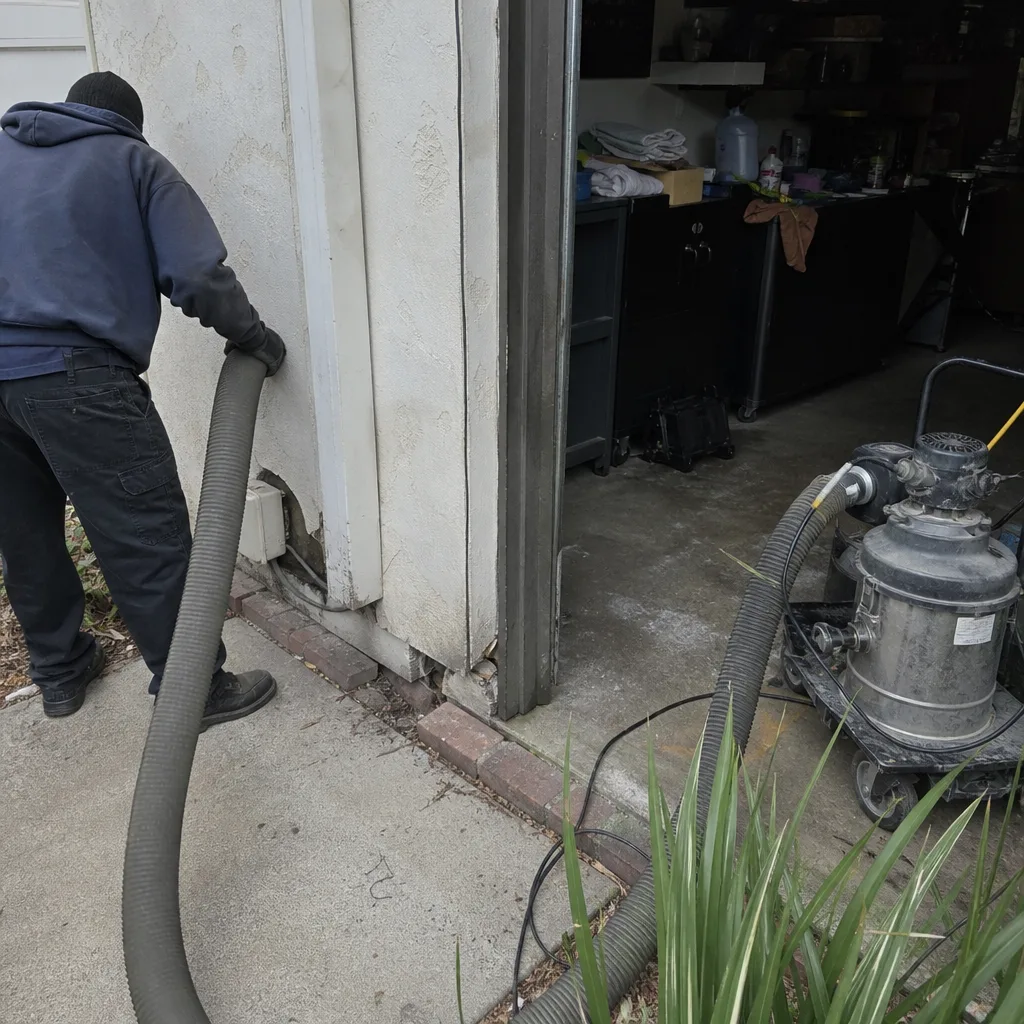 Before
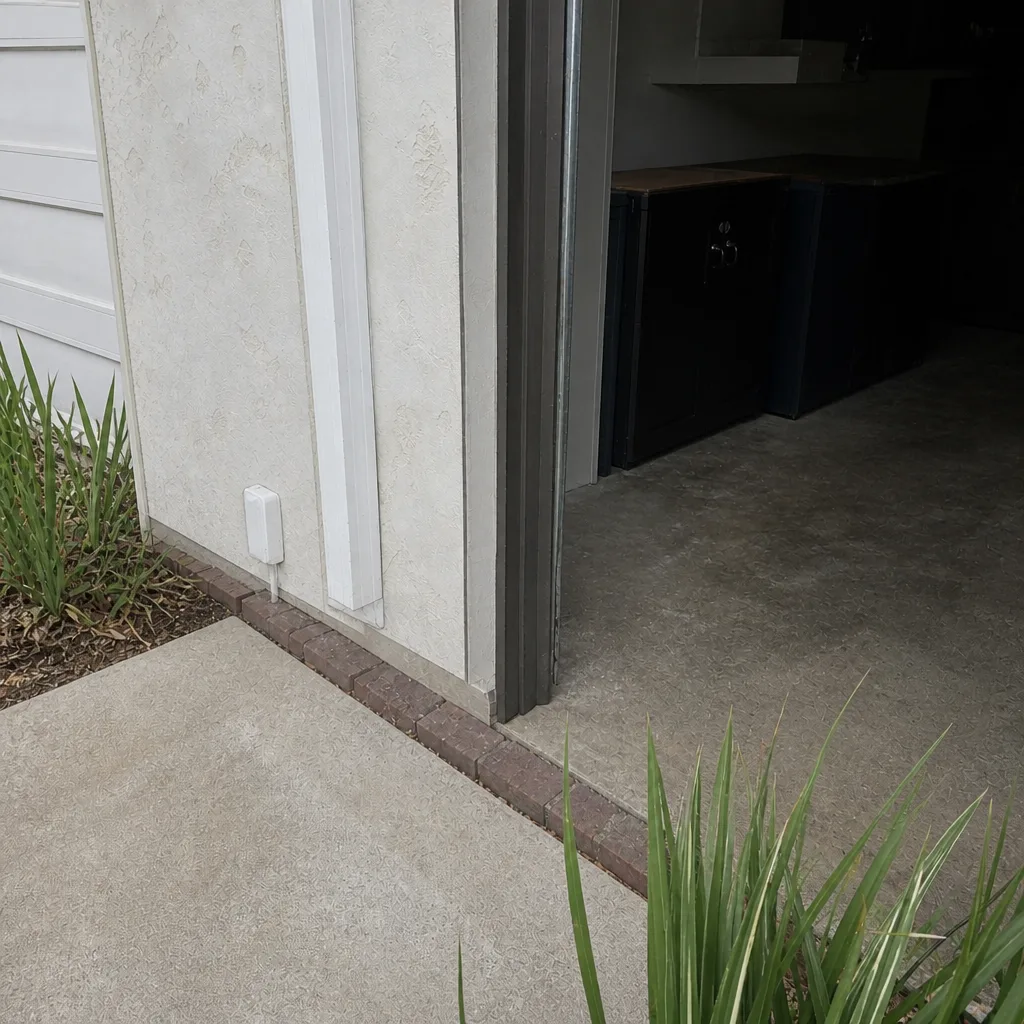 After