
Last updated November 24, 2026
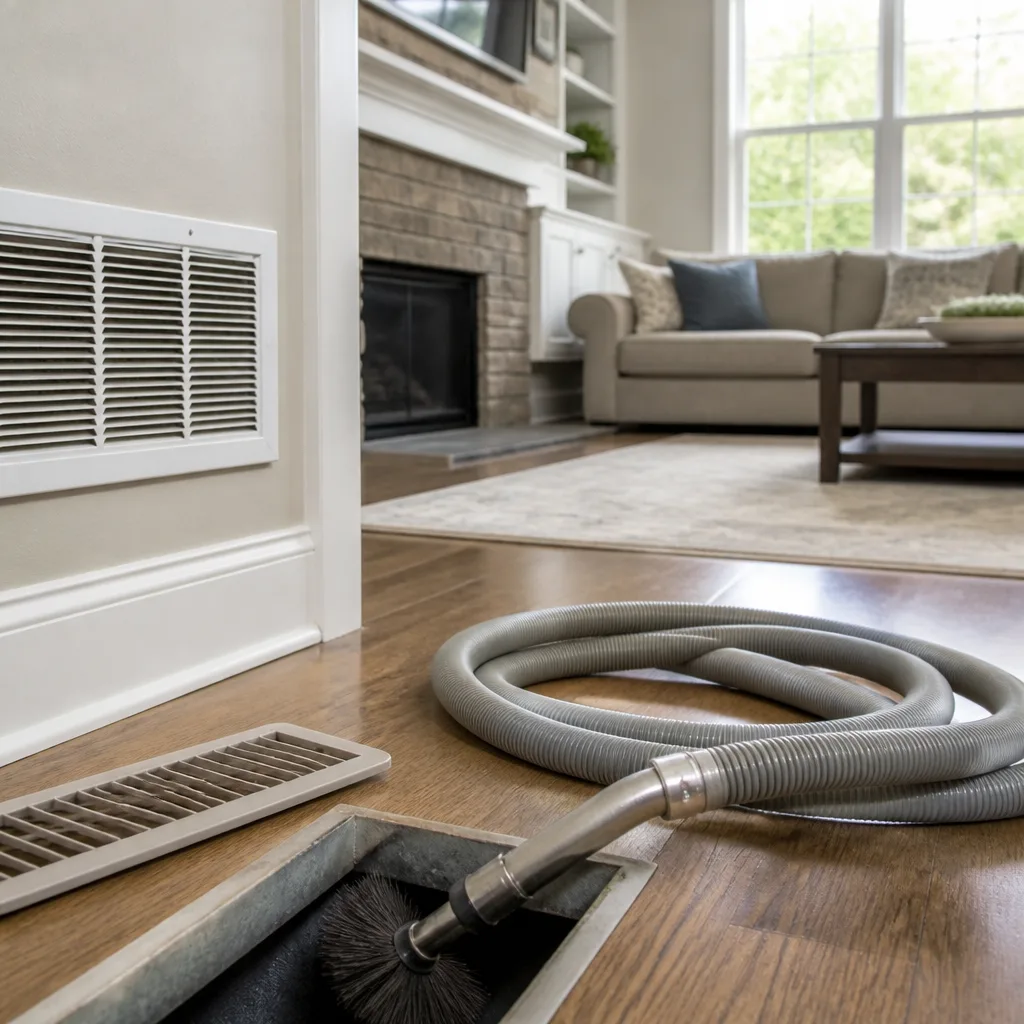 Whole-home duct cleaning
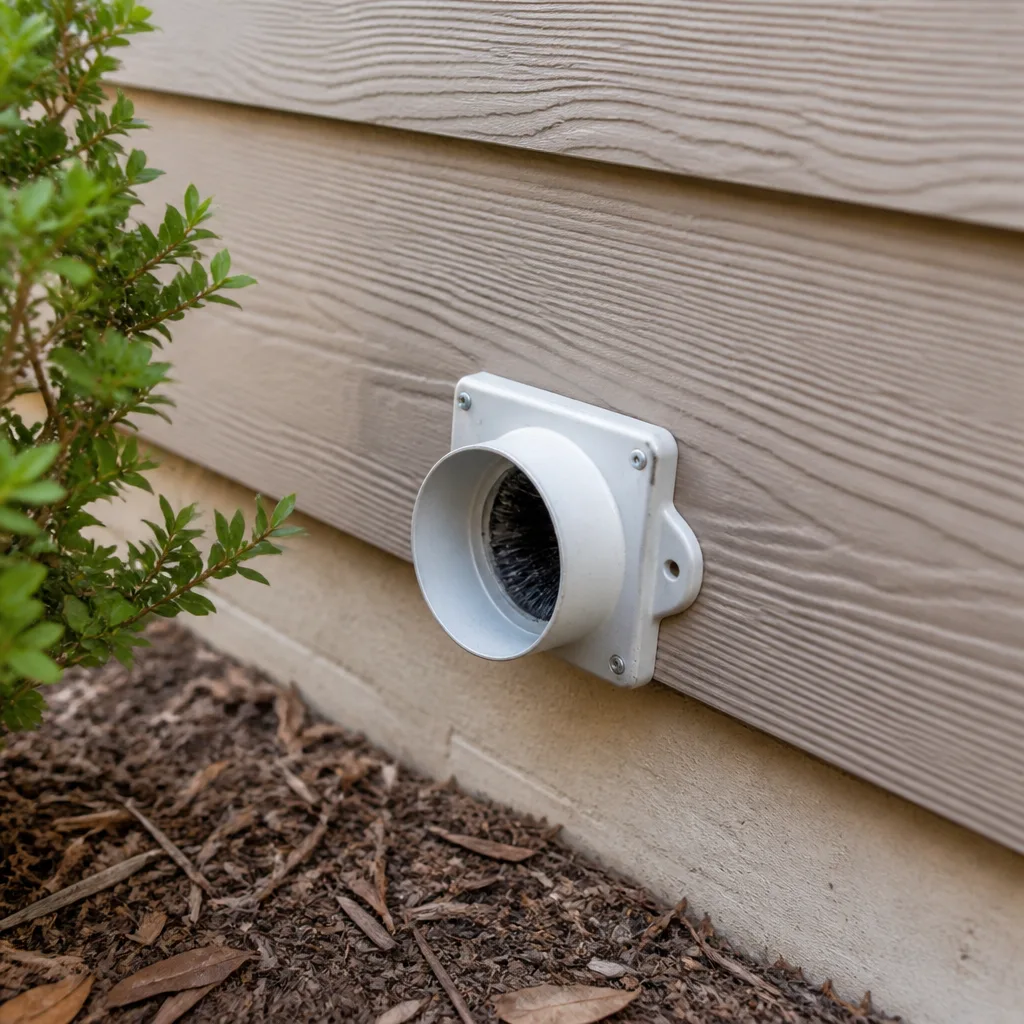 Dryer vent cleaning
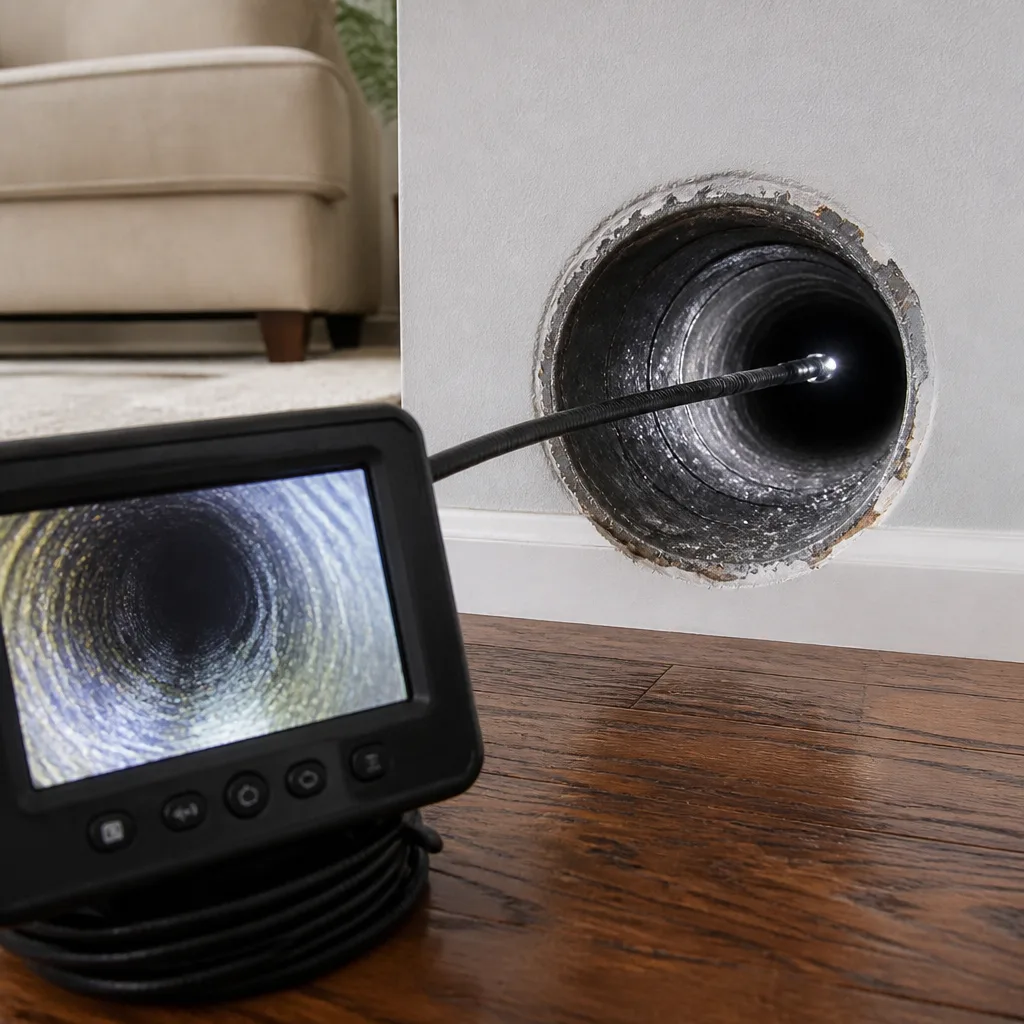 Camera inspection
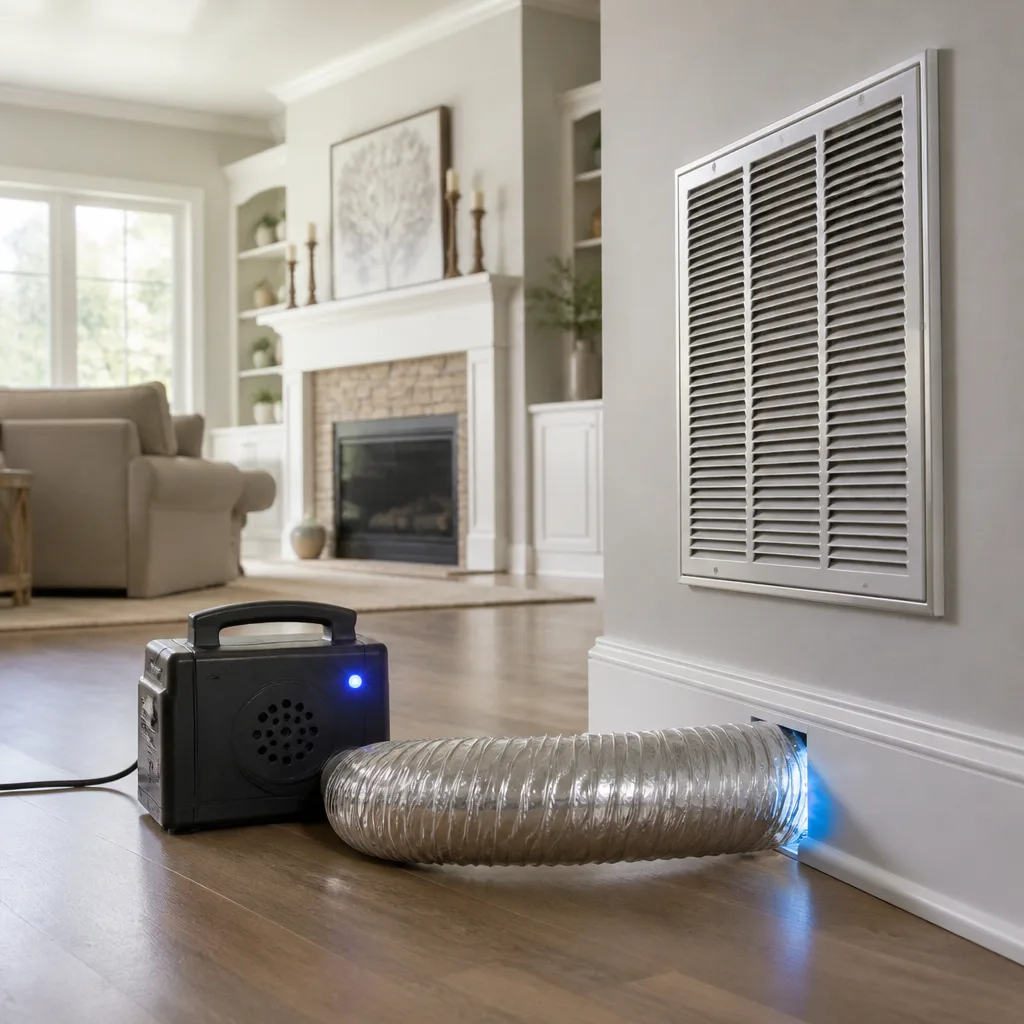 Sanitizing & deodorizing
Whole-system duct and dryer vent check with before-and-after photos - you see exactly what came out of your vents
That "$99 whole-house special" is a bait ad - the real number appears once they are in your hallway, or the "clean" is a shop-vac at the register. We photograph the inside of your ducts before and after instead.
Air Duct Cleaning Permits, Codes & Inspections in Huntington Beach, CA: What You Need to Know
Most duct cleaning is maintenance, not construction. But the line between the two is thinner than most homeowners realize, and it runs straight through California’s mechanical code. The moment a technician reconnects a duct, seals a joint with mastic, or moves a register, the job can cross from cleaning into mechanical work that the City of Huntington Beach expects to see permitted and inspected. That matters to you, not to the contractor, because the record stays with the property. Here’s what we’ll cover: where that line sits under Title 24, what sealing actually triggers, how to pull a permit history on your own address, and the situations in Huntington Beach that reliably require a permit before anyone opens a duct.
Quick Answer
Routine air duct cleaning in Huntington Beach does not require a permit. Cleaning, vacuuming, sanitizing, and dryer vent clearing are maintenance. Permits come into play when the work becomes mechanical modification: replacing duct runs, adding supply or return branches, relocating registers, or sealing joints and connections as part of a system alteration. If a contractor does that work without a permit, the unpermitted modification can surface at resale and can complicate an insurance claim tied to the HVAC system.
Styles & brands we work with
- Whole-home duct cleaning
- Dryer vent cleaning
- Camera inspection
- Sanitizing & deodorizing
Table of Contents
- Where Cleaning Ends and Mechanical Work Begins
- What California Mechanical Code Actually Says
- Situations That Reliably Require a Permit in Huntington Beach
- Duct Sealing and Mastic: Permitted Work vs. Maintenance
- How to Request a Permit History for Your Huntington Beach Address
- The Insurance Side: Unpermitted Work and Coverage
- What an Inspection Looks Like and What Inspectors Check
- How to Verify a Contractor Before Work Starts
Where Cleaning Ends and Mechanical Work Begins
The dividing line is simple to state and easy to blur in practice: cleaning removes material from a system that stays as it is, while mechanical work changes the system. A technician running a Rotobrush contact-cleaning line through your existing ducts is maintaining the system. A technician cutting in a new return, replacing a collapsed flex run, or relocating a supply register near a kitchen remodel is altering it. One is housekeeping. The other is construction.
What makes this confusing is that both can happen in a single visit. A crew opens a duct to clean it, finds a disconnected joint at a plenum, and reconnects it. Is that maintenance or mechanical work? In our experience, the honest answer depends on scope. Reattaching a duct that has come loose during cleaning is generally treated as part of the service. Rebuilding a section of trunk line, extending a run, or adding a branch is not.
Huntington Beach has a lot of housing stock from the 1950s through the 1980s, and much of it has had at least one HVAC replacement, a room addition, or a kitchen remodel done along the way. Duct systems in those homes have often been rerouted at least once. When we open a system in a Huntington Beach property and find mismatched flex, taped joints over old tape, or a run that clearly wasn’t part of the original layout, that’s a sign someone did mechanical work at some point. Whether it was permitted is a separate question, and one you can actually answer.
For a straight cleaning of an unmodified system, see our air duct cleaning service page. The rest of this guide is about the jobs that go beyond it.
What California Mechanical Code Actually Says
California Mechanical Code, which is built on the Uniform Mechanical Code and adopted statewide with local amendments, governs the installation, alteration, replacement, and repair of mechanical systems, including duct distribution. The code is administered locally, which means the City of Huntington Beach’s building department is the authority that decides what needs a permit and what doesn’t. Title 24 is the umbrella for California’s building standards, and the mechanical provisions live in the code the city adopts.
Three concepts from the code matter to a homeowner standing in a hallway listening to a technician describe what he found:
- Alteration. A change to the system’s configuration, capacity, or routing. Adding a supply branch to serve a new room, extending a trunk line, or relocating a register is an alteration. Alterations generally require a permit.
- Replacement. Swapping out duct runs, a plenum, or a major component for new material. Replacement work is typically permitted, and it’s inspected.
- Repair and maintenance. Restoring something to working order without changing the layout, or cleaning material out of an existing system. This is the category routine duct cleaning falls into.
Here’s the part most homeowners never hear: duct sealing sits in an awkward middle. Taping a joint is repair. Coating every joint in a system with mastic as part of an air-sealing and efficiency upgrade, especially when it’s paired with insulation work or a system replacement, gets treated as part of a permitted mechanical project. The distinction isn’t about the product. It’s about whether the work is a repair or a modification.
We don’t issue permits and we don’t inspect duct systems. What we do is flag the situations where a permit is likely required and tell you to confirm with the City of Huntington Beach building department before the work begins. That call is free, and it’s a lot cheaper than discovering the issue at closing.
Situations That Reliably Require a Permit in Huntington Beach
Some jobs come up often enough that the permit question is predictable. If your project matches any of the following, expect to be pulling a permit or asking your contractor to do it before work starts. These are the situations we see most often in Huntington Beach homes:
- Duct replacement. Removing old duct runs and installing new ones, whether flex, rigid, or a hybrid, changes the system. This is a permitted job.
- Adding a return or supply branch. Any new branch serving a room, a hallway, or a newly finished space is an alteration to the distribution system.
- Register relocation. Moving a supply or return register, even a few feet, changes the layout. Common during kitchen and bathroom remodels.
- Attic insulation work combined with duct service. When ducts are being sealed, re-supported, or rerouted as part of an insulation upgrade, the duct portion is generally part of the permitted scope.
- System replacement where the duct layout changes. A like-for-like equipment swap usually doesn’t touch the ducts. A swap that requires reconfiguring plenums or trunk lines does.
- Converting a garage or adding a room. Any new conditioned space needs ducted supply and return, and that’s permitted mechanical work from the start.
What doesn’t typically require a permit: cleaning, sanitizing, HEPA extraction, dryer vent clearing, and minor reconnection of ducts that came loose. That last one is a judgment call, and a good contractor will tell you when a reconnection has grown into something bigger.
If your project involves the full system rather than the ductwork alone, HVAC cleaning is usually scheduled alongside the duct work, and the permit question should be settled before either begins.
Duct Sealing and Mastic: Permitted Work vs. Maintenance
Mastic is the gray, brushable sealant technicians apply to duct joints instead of relying on tape. It’s the right product for the job, and it’s also the product most likely to push a cleaning visit into permit territory. The reason isn’t the mastic itself. It’s what the mastic is doing.
Consider two scenarios:
- Scenario one. A technician cleans the system and, while working, notices a joint at the plenum that’s leaking. He brushes mastic over it. That’s a repair. No permit.
- Scenario two. A homeowner wants to cut energy loss, so the contractor seals every accessible joint in the system, re-supports sagging runs, and reconnects a section of trunk line that had separated. That’s a system modification and air-sealing project. In most jurisdictions, that’s permitted work.
The practical test we use: is the technician restoring a single point to working condition, or changing how the system performs as a whole? Point repairs are maintenance. Whole-system sealing is an upgrade, and upgrades get documented.
This is also where equipment matters. Sealing a system properly means the ducts are clean first, because mastic over debris doesn’t bond and tape over dust doesn’t hold. We clean with Rotobrush contact-cleaning tools, extract with Nikro HEPA vacuums so fine particulate doesn’t recirculate into the house, and use Abatement Technologies negative-air equipment when a system is heavily contaminated, mold-affected, or adjacent to remediation work. Guardsman surface protection goes down before any of it starts. Then, and only then, does sealing make sense. That’s the sequence any honest contractor should follow, permitted job or not.
How to Request a Permit History for Your Huntington Beach Address
You can find out whether prior duct or HVAC work on your Huntington Beach property was permitted, and you don’t need a contractor to do it. The City of Huntington Beach building department maintains permit records by address, and a records request will pull the history for your parcel. Here’s the process:
- Gather your address and assessor’s parcel number. The APN is on your property tax bill and speeds up the search considerably.
- Contact the City of Huntington Beach building department. Ask specifically for the permit history on your address, and mention that you’re looking for mechanical, HVAC, and duct-related permits.
- Request copies of any permits pulled. A permit that was issued but never finaled is a red flag. Ask for the inspection record on each one.
- Look for gaps. If the home had an addition, a remodel, or an HVAC replacement and there’s no matching permit, that’s your signal to ask more questions.
- Check for open permits. An open permit means the work was started and never inspected or closed out. Open permits can complicate a sale and sometimes need to be resolved before closing.
Do this before you buy a Huntington Beach home if you can, and before you commission any duct or HVAC work if you already own. It’s a records request, not an investigation, and it’s the single most useful thing you can do to understand what’s been done to the system you’re about to spend money on.
One note: permit records describe what was filed, not what was built. A permit that was pulled and finaled after inspection is a good sign. A permit that was pulled and never inspected tells you the work may not have been done to code.
The Insurance Side: Unpermitted Work and Coverage
Here’s the piece most homeowners never connect to duct work: unpermitted mechanical modifications can affect how a homeowner’s insurance policy responds to a claim. The mechanism is straightforward. Most policies cover sudden and accidental damage to the home, but they exclude or limit damage arising from work that wasn’t done to code, work that wasn’t permitted where a permit was required, or work that a policyholder knew about and didn’t disclose.
Where this bites in practice:
- Water damage from a condensate line or plenum. If a claim traces back to a duct modification that was never permitted or inspected, the adjuster will ask who did the work and whether it was permitted. An unpermitted modification gives the insurer a basis to question the claim.
- Fire originating in a dryer vent or HVAC closet. If the ductwork or venting was altered without a permit, the insurer will look closely at the installation.
- Mold following a leak. If the duct system was modified and the modification contributed to moisture migration, the claim gets complicated fast.
We can’t tell you how your specific policy will respond, and we don’t give insurance advice. What we can tell you is that the question comes up, and that a clean permit record is the simplest defense. If you’re having duct work done and a permit is required, insist on it and keep the paperwork. If you’re buying a Huntington Beach property, pull the history before you sign.
What an Inspection Looks Like and What Inspectors Check
If your project requires a permit, it will require an inspection. Knowing what the inspector looks for helps you avoid a failed inspection and a second visit. In our experience, mechanical inspections on duct work focus on a handful of things:
- Support and strapping. Ducts need to be supported at proper intervals with approved material, not hung from plumbing or wire.
- Connections and sealing. Joints should be mechanically fastened and sealed. Tape alone, especially the wrong tape, gets flagged.
- Clearances. Ducts need proper clearance from combustibles and from heat-producing equipment.
- Routing and length. Runs need to be within the limits of the equipment and the code, with the right number of fittings.
- Access. The inspector needs to be able to see the work. That means access panels and clear paths to the system.
- Insulation and vapor barrier continuity. In unconditioned spaces like attics, the insulation and barrier need to be continuous and correctly installed.
The most common failure we hear about is sealing. Ducts that were fastened and taped but not properly sealed get sent back. The second most common is support: ducts sagging on the wrong strapping. Both are fixable, but they cost time, and the fix is on the contractor who did the work, not the inspector.
A failed inspection isn’t the end of the world. It’s a correction notice. The work gets fixed and reinspected. What matters is that the permit was pulled in the first place, because without one there’s no inspection, and without an inspection there’s no record that the work was done correctly.
How to Verify a Contractor Before Work Starts
Before you hire anyone to work on your ducts, ask three questions. The answers tell you most of what you need to know.
- “Will this job require a permit?” A contractor who knows the code will answer directly. If the answer is “no, never,” and the job involves replacing ducts or adding a branch, that’s a warning sign.
- “Who pulls the permit?” In most cases the contractor pulls it, and it’s pulled in the contractor’s name. If a contractor asks you to pull it as the homeowner, ask why.
- “What’s the license and insurance situation?” In California, mechanical contractors are licensed by the state, and the license is verifiable through the Contractors State License Board. The local pro you work with should be licensed and insured as their state requires. Ask for the license number and verify it before work starts.
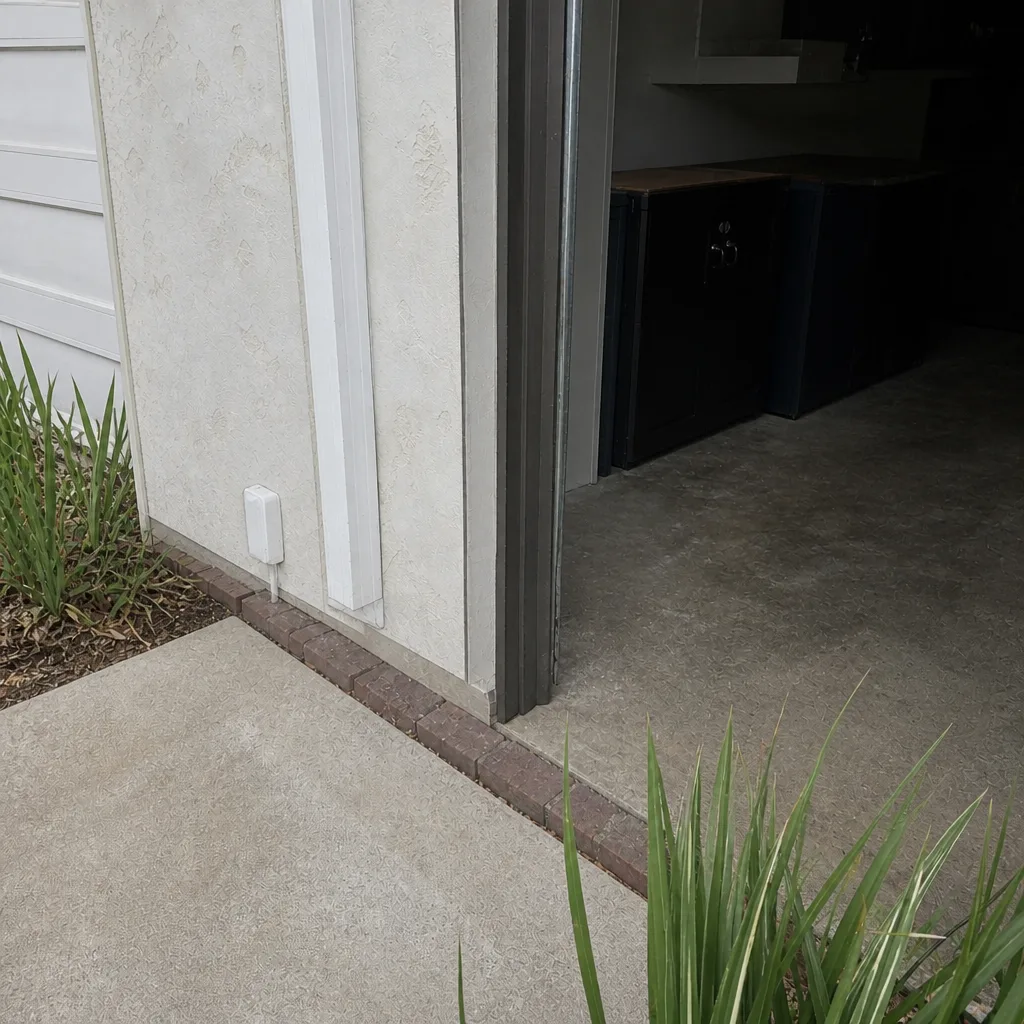
One more: ask for before-and-after photos of your own system, not stock photos. Duct work is invisible once the access panel goes back on, and photos are the only honest record of what was actually done. A contractor who won’t provide them is telling you something.
For related work, dryer vent cleaning is a separate service with its own safety considerations, and worth scheduling while the technician is already on site.
Common Mistakes to Avoid
- Assuming all duct work is permit-free. Cleaning usually is. Replacing runs, adding branches, and relocating registers usually isn’t. Ask before the work, not after.
- Letting a contractor “fix a few connections” without documentation. If the work was more than a reconnection, get it in writing, and get the permit if it was required.
- Skipping the permit history on a Huntington Beach purchase. A records request costs you an afternoon. Discovering unpermitted work at closing costs you far more.
- Accepting tape-only sealing on a permitted job. Tape fails. Mastic is the product that holds, and a permitted job will be inspected for proper sealing.
- Ignoring an open permit. An open permit from prior work can stall a sale. Resolve it or ask the seller to.
- Hiring on price alone. A low quote that skips the permit and the inspection isn’t cheaper. It just moves the cost to you, later.
- Not asking for photos. Duct work is hidden work. Photos of your own system before and after are the only way to know what happened.
See the difference
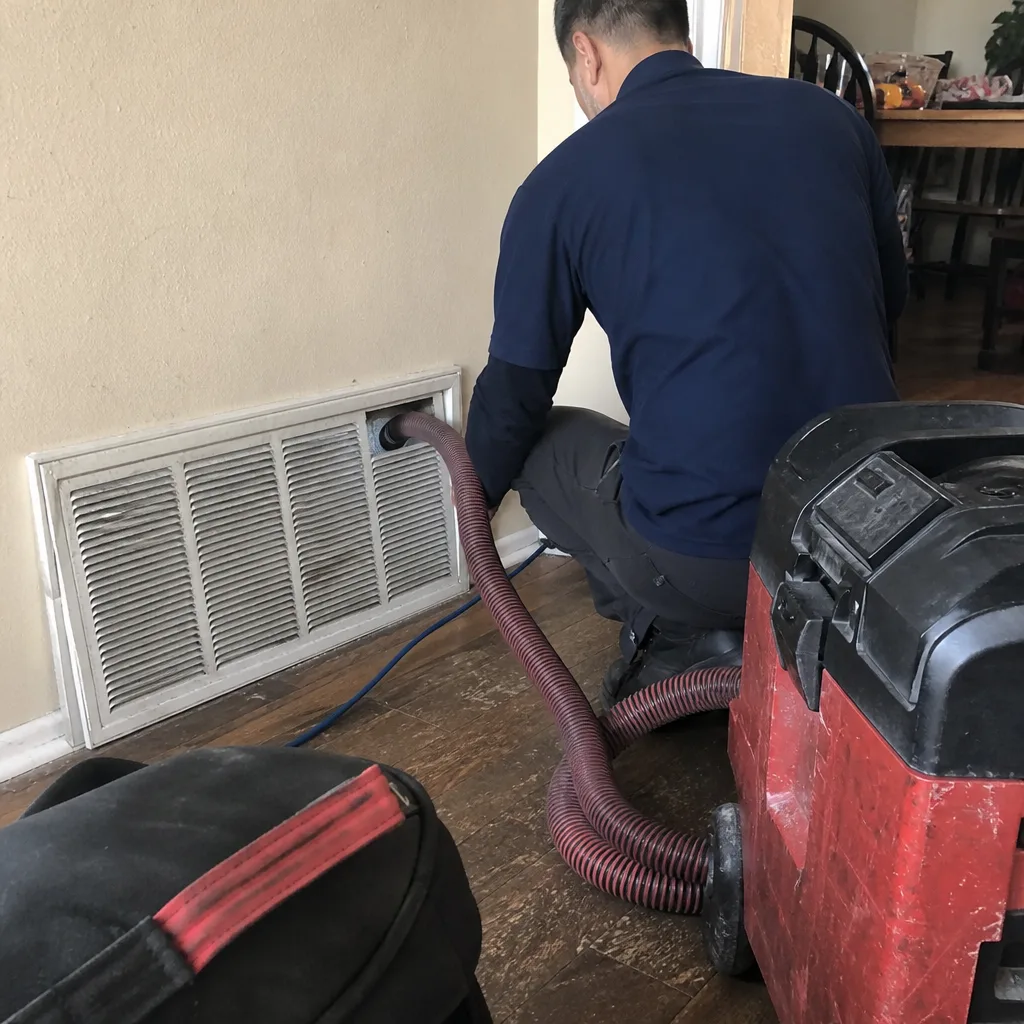 Before
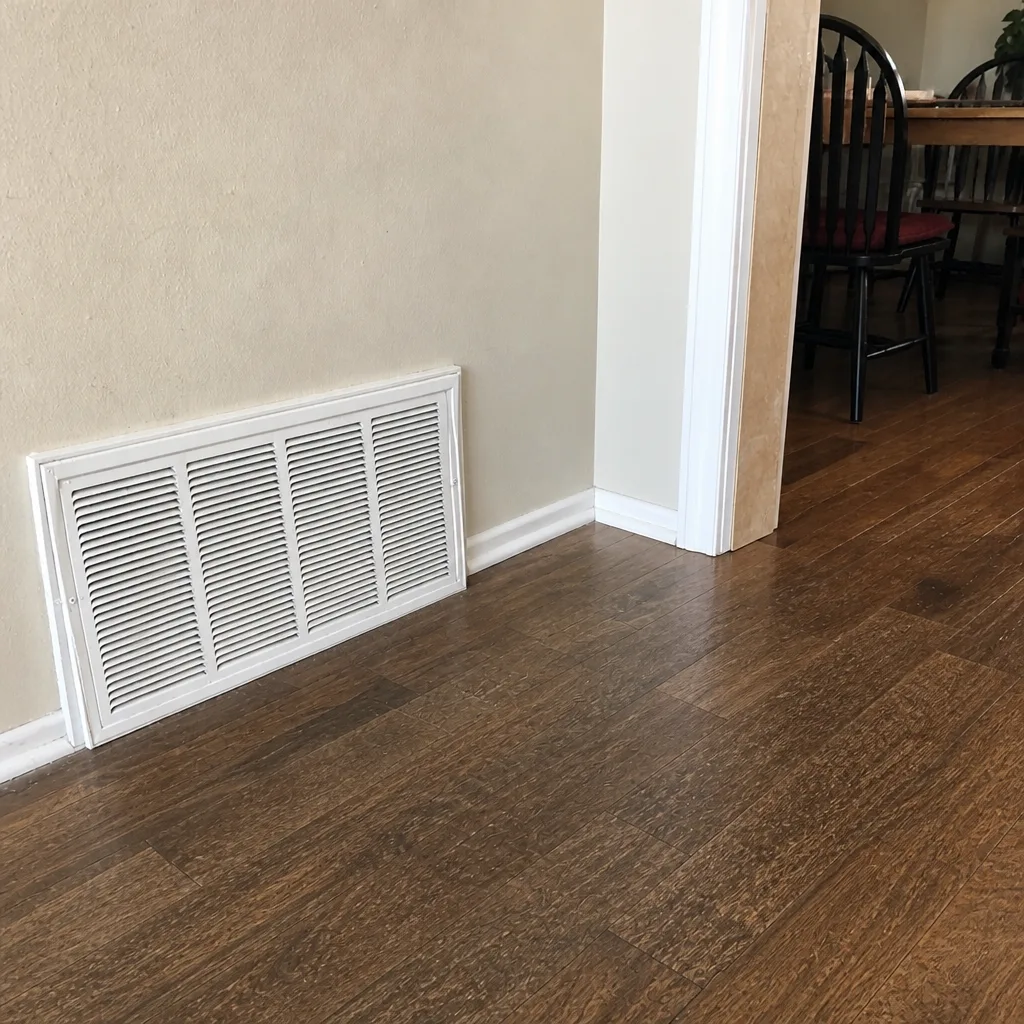 After
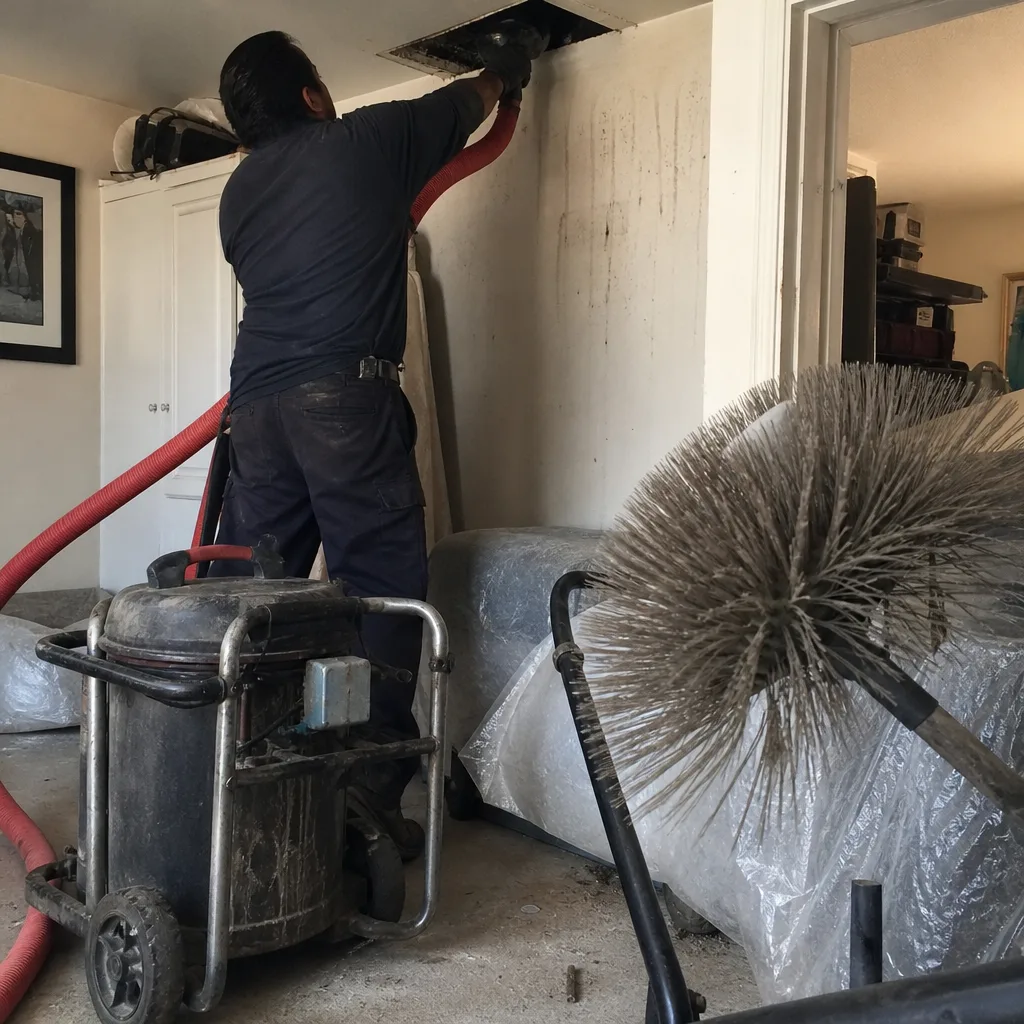 Before
 After
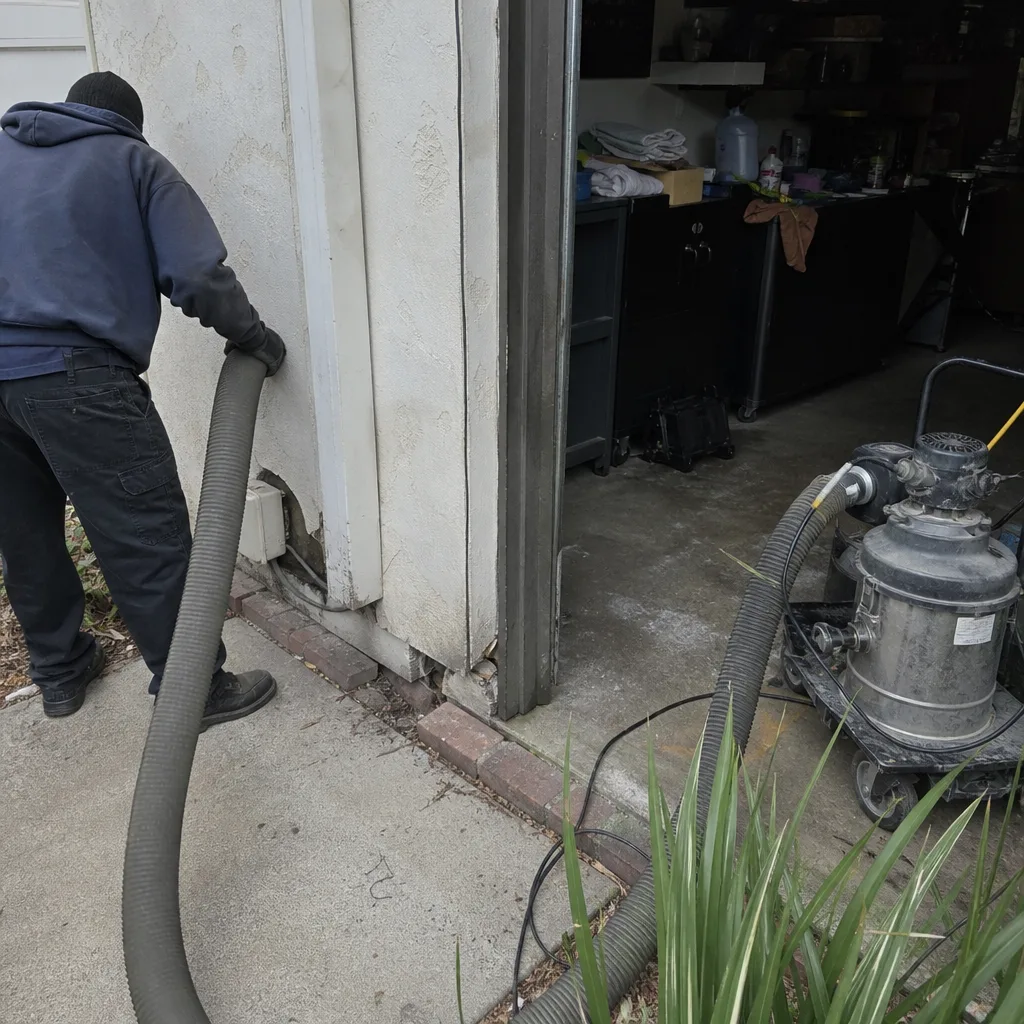 Before
 After
When to Call a Professional
Call a professional when the duct work involves anything beyond cleaning: a run that’s collapsed or disconnected, a register that needs to move, a system that needs sealing as part of an efficiency upgrade, or a renovation that adds conditioned space. Call when you find unpermitted work in a permit search and need to understand what’s actually there. Call when a dryer vent is clogged, when the HVAC closet smells musty, or when you’re not sure what’s in the ducts and want a straight answer. Air Duct Cleaning Huntington Beach Pros offers free estimates in Huntington Beach. Call (866) 937-8807. We answer 24/7, with fast dispatch from 7am to 7pm, Sunday through Friday. We connect you with a local pro who is licensed and insured as their state requires, and you’ll see before-and-after photos of your own system when the work is done.
Frequently Asked Questions
No. Routine air duct cleaning in Huntington Beach does not require a permit. Cleaning, vacuuming, sanitizing, and dryer vent clearing are maintenance, not mechanical modification, and the City of Huntington Beach does not require a permit for maintenance. If the work involves replacing ducts, adding branches, or relocating registers, a permit is generally required. Call (866) 937-8807 for an exact quote on cleaning, and estimates are free.
Cleaning removes material from a system that stays as it is. Modification changes the system: replacing runs, adding supply or return branches, relocating registers, or sealing joints as part of a system-wide upgrade. Cleaning is maintenance. Modification is mechanical work, and the California Mechanical Code provisions the City of Huntington Beach adopts apply to it. When in doubt, ask the building department before work starts.
It can. Most policies exclude or limit damage arising from work not done to code or not permitted where a permit was required. If a claim traces back to a duct modification that was never permitted or inspected, the insurer will ask who did the work and whether it was permitted. A clean permit record is the simplest defense, so keep the paperwork. Call (866) 937-8807 if you want to talk through what a cleaning involves versus what needs a permit.
Request a permit history from the City of Huntington Beach building department. You’ll need your address and your assessor’s parcel number, which is on your property tax bill. Ask for mechanical, HVAC, and duct-related permits, and request the inspection record on each one. An open permit, or a permit with no inspection, tells you the work may not have been done to code.
It depends on scope. Sealing a single leaking joint is a repair and generally doesn’t require a permit. Sealing every accessible joint as part of an air-sealing or efficiency upgrade, especially alongside insulation work or a system replacement, is typically permitted as part of the mechanical project. The test is whether the work is a point repair or a system modification.
Inspectors check support and strapping, connection and sealing methods, clearances from combustibles and heat-producing equipment, duct routing and length, access for inspection, and insulation and vapor barrier continuity in unconditioned spaces. Sealing and support are the two most common reasons a duct inspection fails. A failed inspection is a correction notice, not a disaster, as long as the permit was pulled in the first place.
The Bottom Line
Cleaning your ducts in Huntington Beach doesn’t require a permit. Modifying them often does, and that’s the distinction worth carrying away from this guide. Replacement, added branches, relocated registers, and system-wide sealing are mechanical work under the California Mechanical Code the city adopts. Routine cleaning, sanitizing, and dryer vent clearing are maintenance. Pull the permit history on your address before you buy or before you commission work. Ask the contractor who pulls the permit and whether it’s required. Keep the paperwork, because it’s your house and the record matters at resale and at claim time. And when the job is cleaning rather than construction, call (866) 937-8807 for a free estimate. We answer 24/7, with fast dispatch from 7am to 7pm, Sunday through Friday. Our technicians have up to 10 years of experience, and we match the equipment to the job.
Written by the team at Air Duct Cleaning Huntington Beach Pros.