
Last updated November 24, 2026
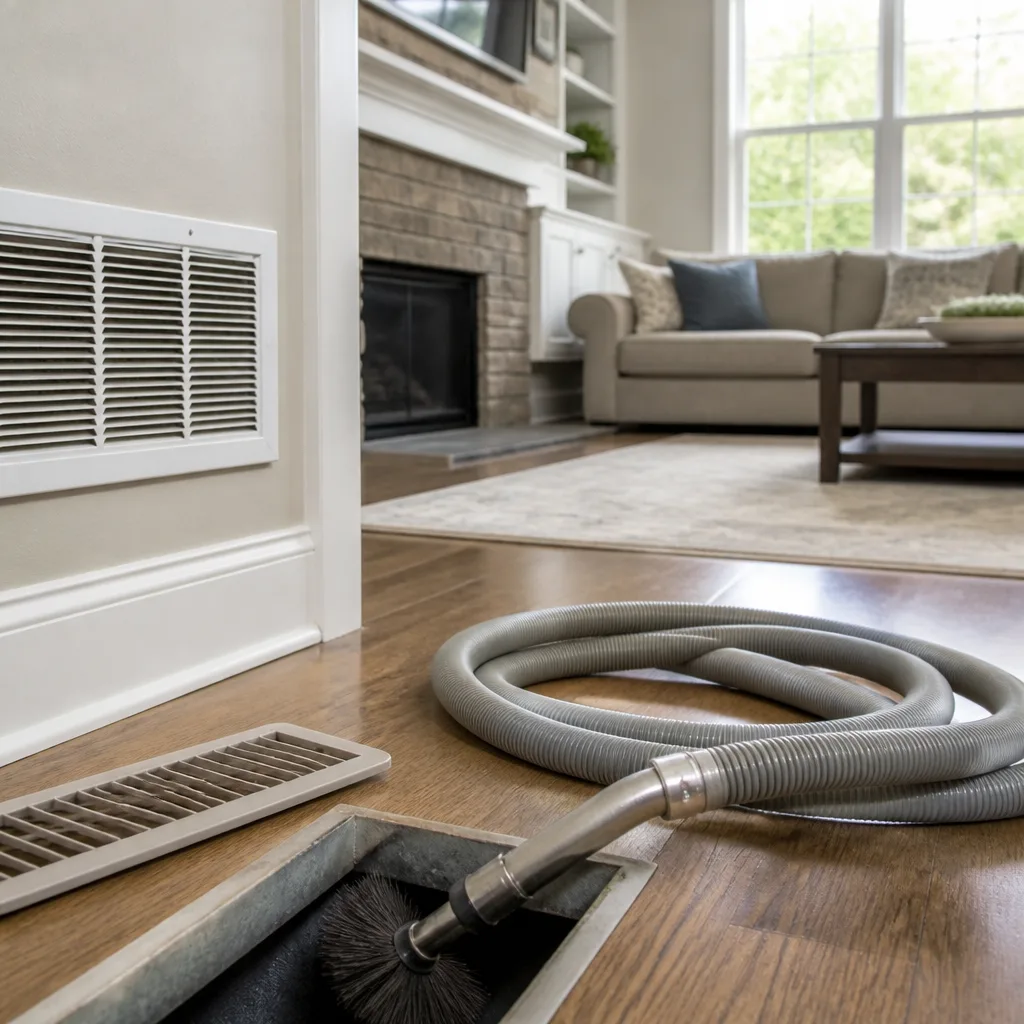 Whole-home duct cleaning
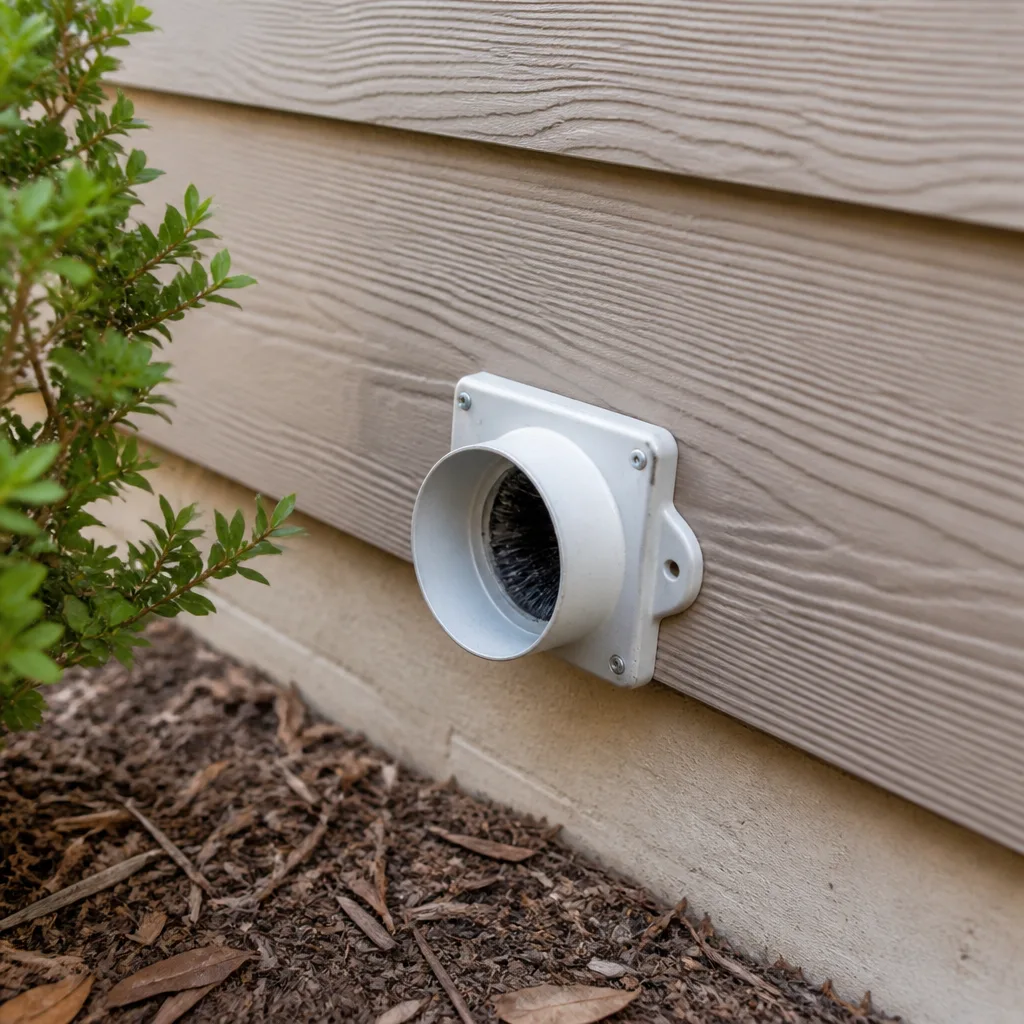 Dryer vent cleaning
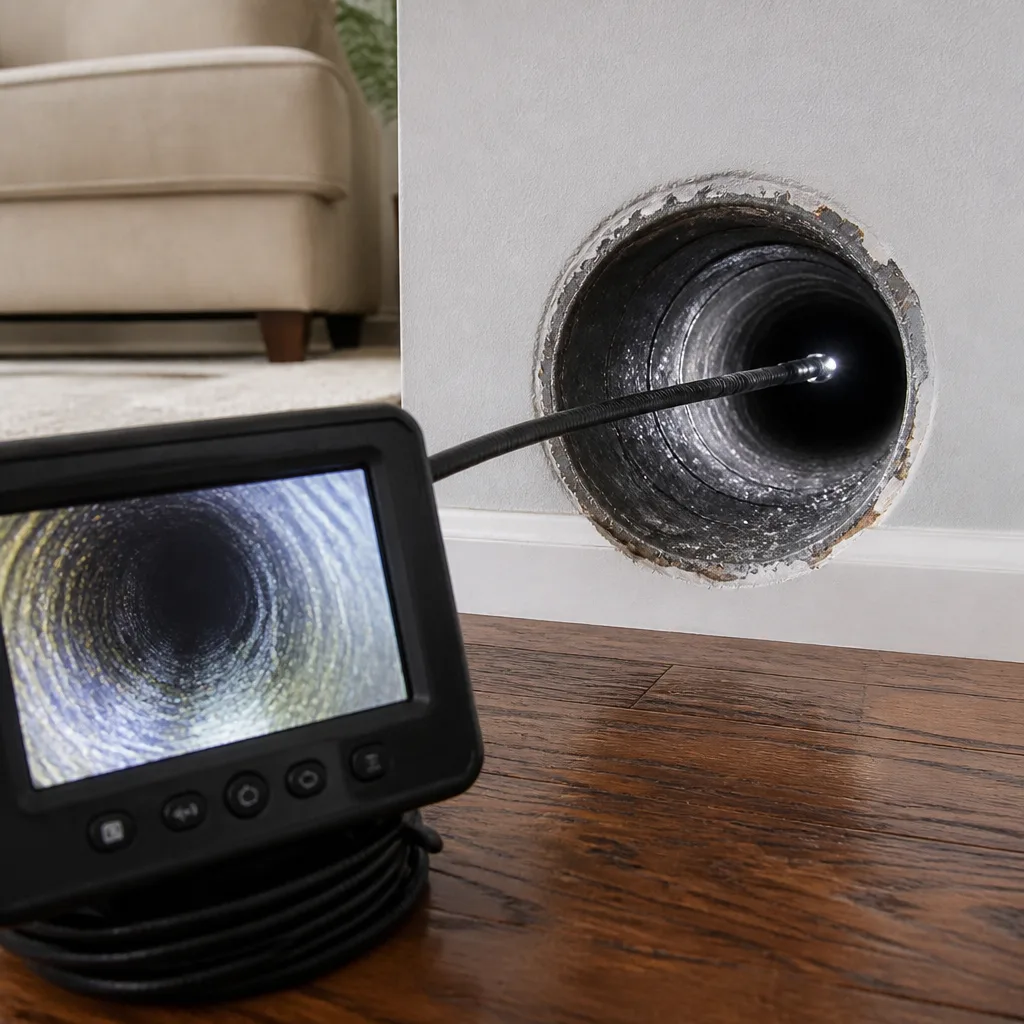 Camera inspection
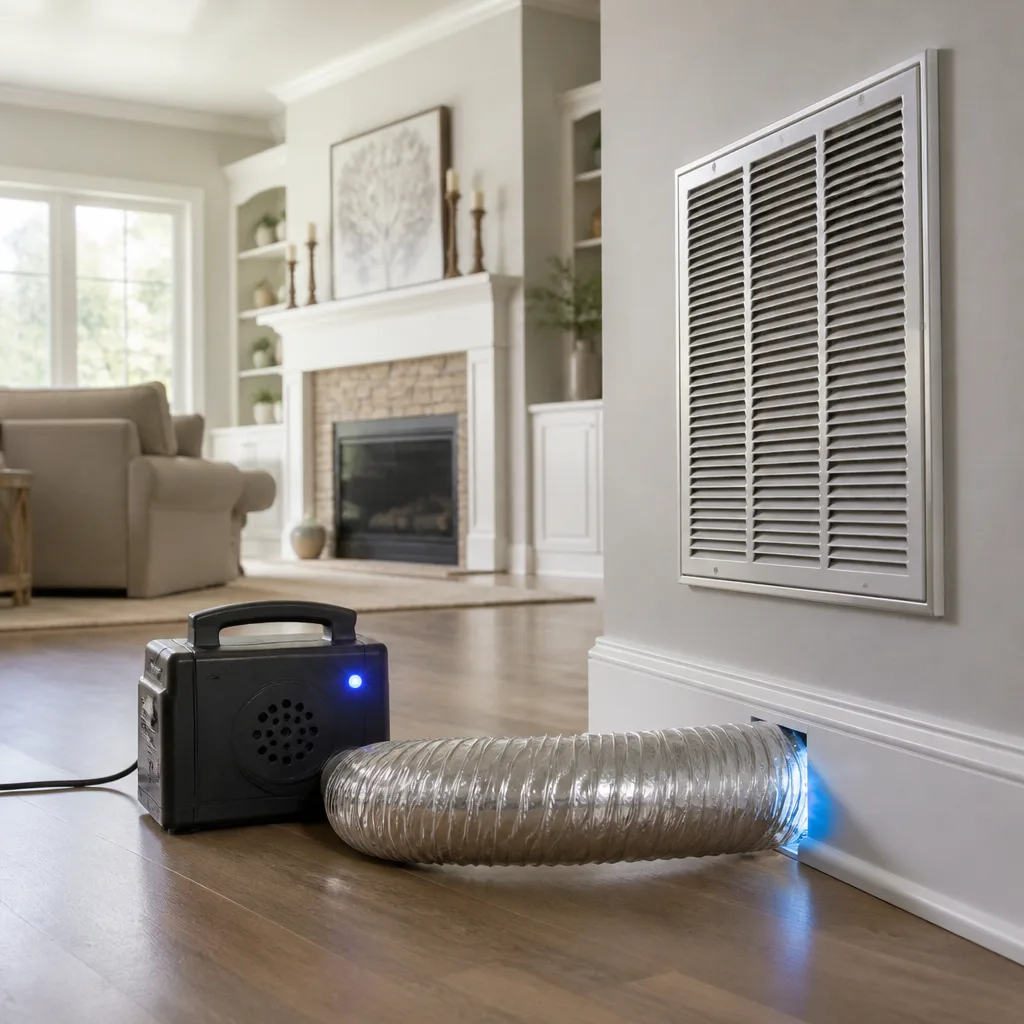 Sanitizing & deodorizing
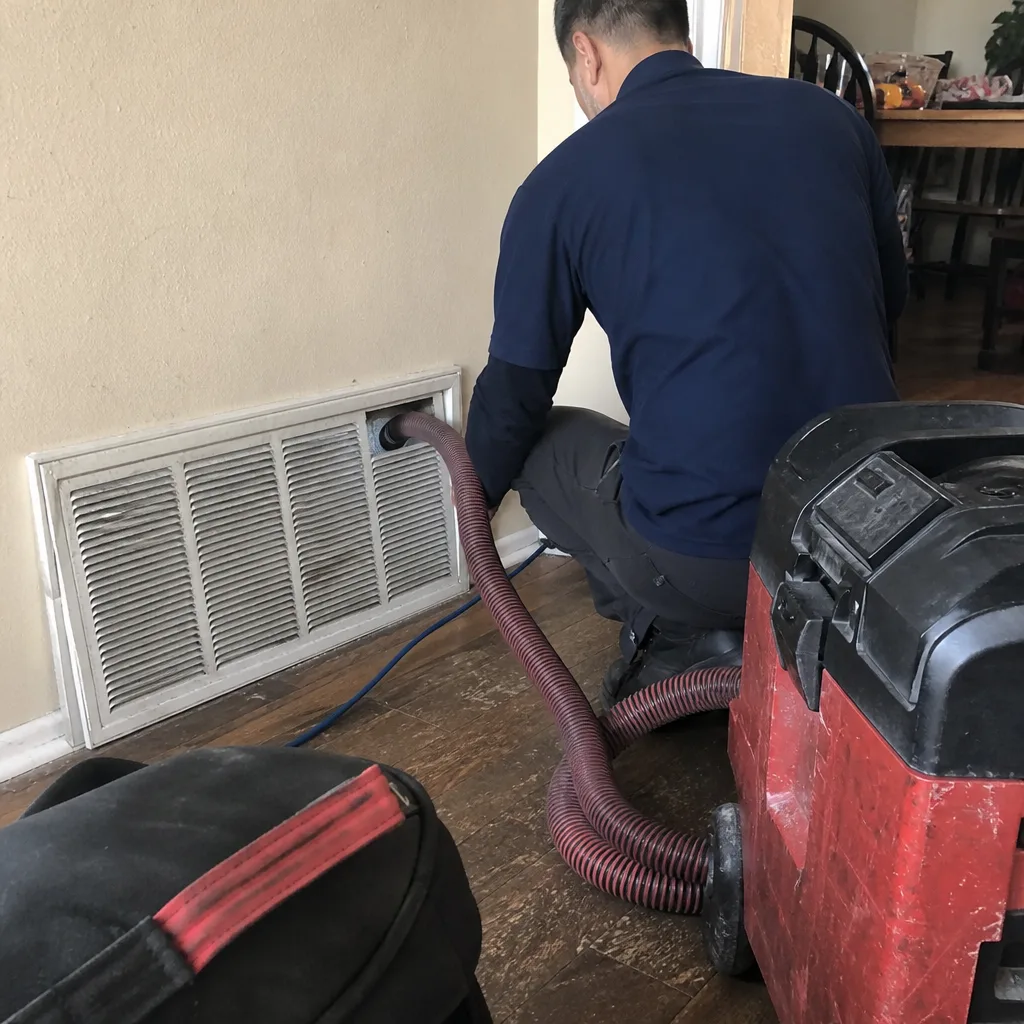
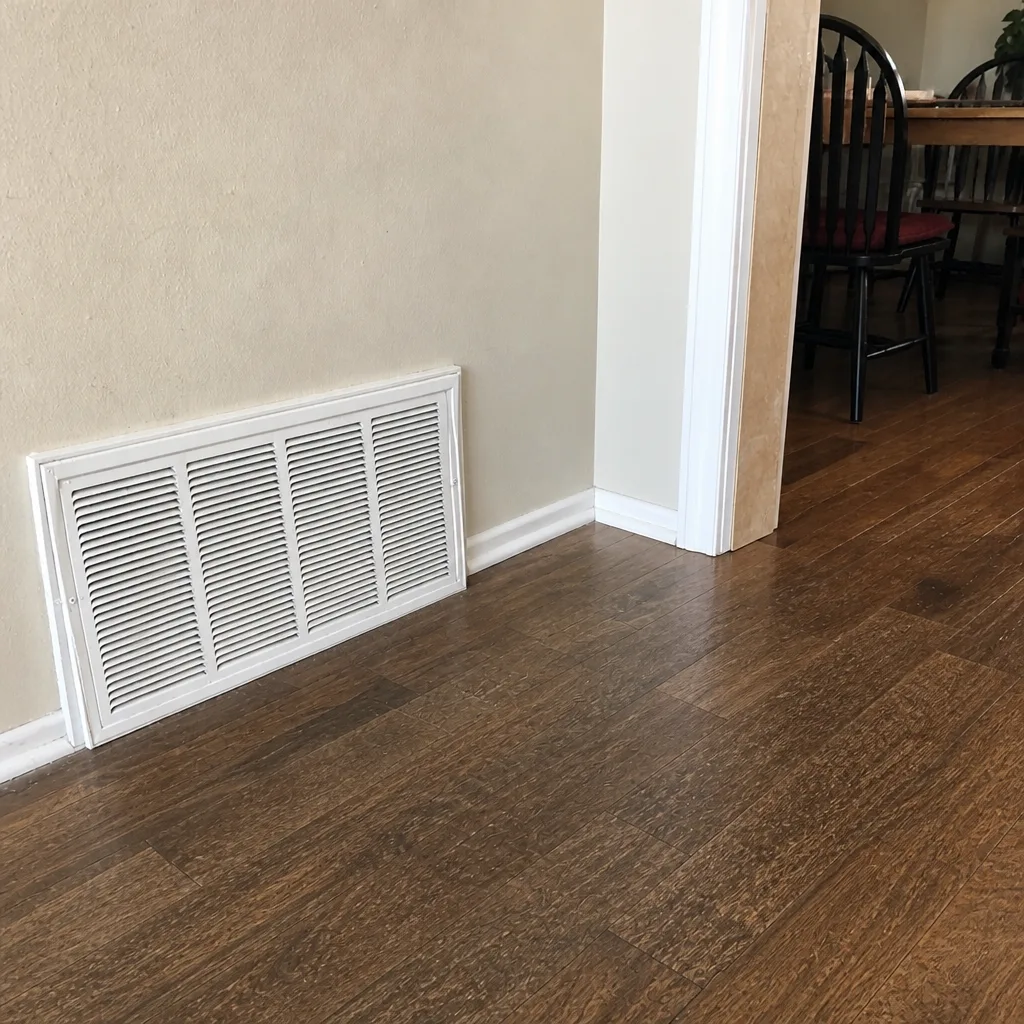
Whole-system duct and dryer vent check with before-and-after photos - you see exactly what came out of your vents
That "$99 whole-house special" is a bait ad - the real number appears once they are in your hallway, or the "clean" is a shop-vac at the register. We photograph the inside of your ducts before and after instead.
Choosing the Right Air Duct Cleaning Brand: A Buyer’s Guide for Huntington Beach
Testimonials tell you how friendly a crew was. Coupons tell you what a company is willing to lose on a phone call. Neither tells you what will happen inside your ducts. Here’s the counterintuitive part: the only claim that can be verified before a single technician walks into your home is the equipment list. There are three equipment categories that define professional duct cleaning: contact cleaning that physically scrubs the duct walls, HEPA extraction that captures the debris you just loosened, and negative air containment that keeps contamination from spreading through the house while the job runs. Most companies own one. Very few own all three. This guide teaches you to read a toolkit instead of a review page, with notes specific to Huntington Beach homes.
Quick Answer
Evaluate an air duct cleaning brand by its equipment, not its marketing. A company equipped for real work runs a contact-cleaning system (like Rotobrush) to scrub duct walls, a HEPA-filtered vacuum (like Nikro) to capture fine particulates at the source, and negative-air equipment (like Abatement Technologies) to contain contamination in heavier or mold-adjacent jobs. A brand that can’t name its machines or explain why each one is on the job is telling you everything you need to know.
Styles & brands we work with
- Whole-home duct cleaning
- Dryer vent cleaning
- Camera inspection
- Sanitizing & deodorizing
Table of Contents
- The Three-System Benchmark: What Good Equipment Actually Does
- NADCA Certification: A Baseline, Not a Guarantee
- Questions to Ask About Equipment Before You Book
- Local Operator vs. National Franchise: Honest Trade-Offs
- How to Judge Before-and-After Documentation
- What Huntington Beach Conditions Mean for Your Ducts
- Beyond Cleaning: Repair, Sealing, and Whole-Home Air Quality
- The Dryer Vent Most Duct Cleaners Skip
The Three-System Benchmark: What Good Equipment Actually Does
Duct cleaning is a sequence, not a single act. Each stage of that sequence needs a different machine, which is why serious operators carry more than one. When you’re comparing brands for air duct cleaning in Huntington Beach, this is the checklist that separates a real operation from a van and a coupon.
1. Contact cleaning: scrubbing the duct wall
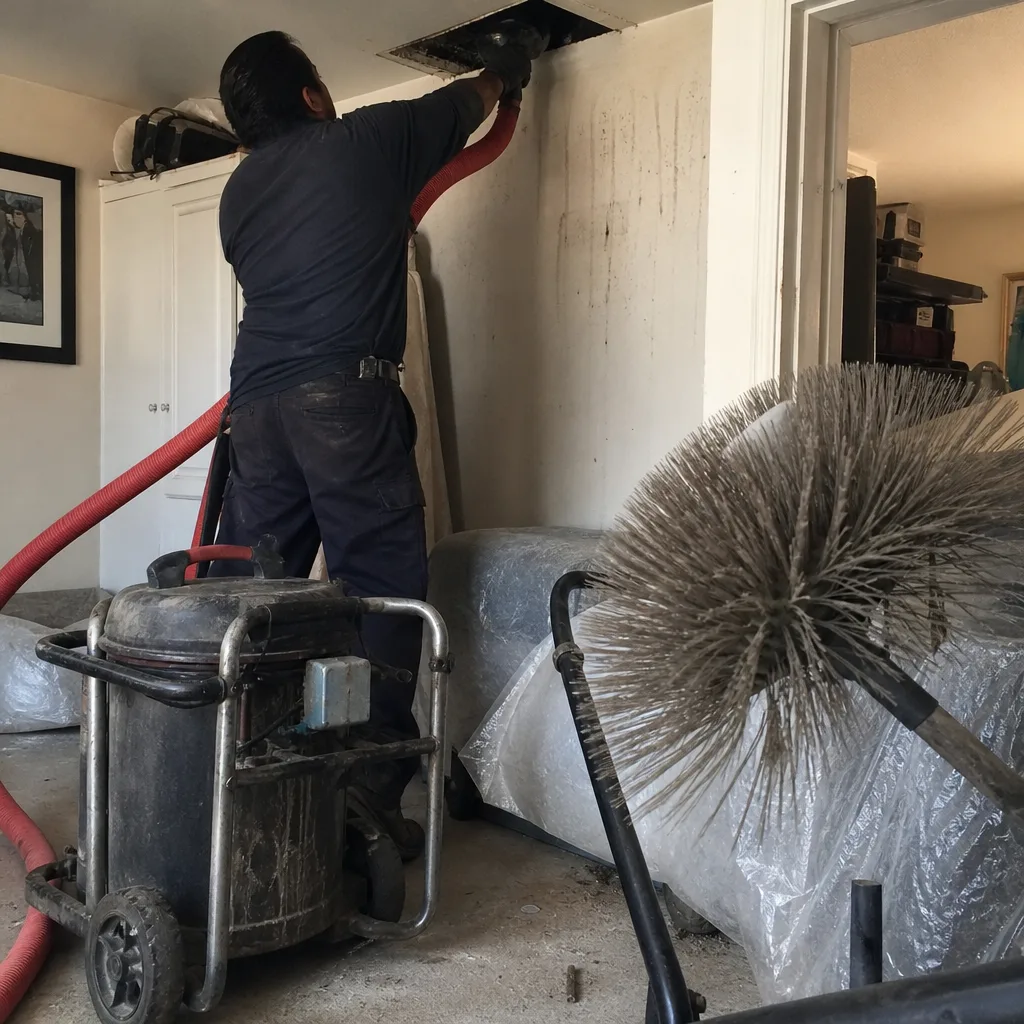
Dust doesn’t sit in the middle of a duct. It clings to the sheet metal, packed into the seams and the corners where airflow slows. A rotating brush on a flexible rod travels the length of the run and breaks that layer loose. We use Rotobrush contact-cleaning systems, the same equipment trusted by professional duct cleaning contractors nationwide. A single portable shop vac with a brush attachment is not in the same category. It can’t reach far into a run, and it can’t apply the consistent contact pressure that lifts bonded debris.
2. HEPA extraction: catching what you just freed
Once debris is airborne, someone has to capture it before it settles back or drifts into living space. Nikro HEPA-filtration vacuums pull fine particulates into certified filters at the source. This is where bargain outfits quietly fail: without true HEPA filtration, the loosened dust simply redistributes through the house. You paid for cleaning and got a dust event. The filter rating matters, and any company worth hiring can tell you what filters they run and how often they’re changed.
3. Negative air containment: controlling the environment
For jobs with heavy debris, visible mold, or post-renovation conditions, the room around the work area needs protection. Abatement Technologies negative-air equipment pulls air out of the work zone and filters it, keeping contamination from migrating through the home while the job is in progress. This is remediation-adjacent capability. It signals a company equipped for the hard jobs, not just routine maintenance.
All three systems, matched to the job. That’s the benchmark. If a brand can only describe one, that’s the ceiling of what they can do in your home.
NADCA Certification: A Baseline, Not a Guarantee
The National Air Duct Cleaners Association (NADCA) sets a recognized industry standard for how duct cleaning should be performed, including an assessment before work begins and source removal rather than chemical fogging in place of actual cleaning. A company that follows NADCA practice is starting from the right place. But certification is a floor, not a ceiling.
Here’s what NADCA alignment does not guarantee:
- Equipment quality. A certified firm can still own one machine. Standards describe method, not the depth of the toolkit.
- Thoroughness on your specific system. A certification doesn’t tell you whether they’ll clean every branch line or just the main trunk.
- Containment on difficult jobs. Negative air is a job-specific decision, not a certification requirement.
- Repair and sealing capability. Cleaning is one scope. Fixing disconnected or crushed runs is another.
Treat NADCA alignment as your first filter, then ask about equipment as your second. In our experience, the companies that talk comfortably about both are the ones that show up with the full setup. The ones that go quiet when you ask about HEPA filter ratings have told you what you need to know.
Questions to Ask About Equipment Before You Book
These questions are designed to be hard to fake. A skilled operator answers them without hesitation; a sales-driven outfit deflects toward pricing and scheduling. Ask them before you commit, and listen to whether the answers are specific or vague. A few of them work best when you’re already discussing HVAC cleaning, since the same machines serve both scopes.
- “What contact-cleaning system do you use, and what make and model?” A real answer names the platform and explains why. “A brush on a hose” is not a contact-cleaning system.
- “Are your vacuums true HEPA, and can you tell me the filter certification?” HEPA is a rating, not a marketing word. Ask for the classification.
- “What’s the CFM capacity of your extraction equipment?” CFM is airflow. A machine that can’t move enough air volume won’t capture the debris a contact cleaner just broke loose.
- “Do you use negative air pressure on jobs with mold or heavy debris?” If the answer is no, ask how they plan to keep contamination out of the rest of the house.
- “Will you show me before-and-after camera footage of my ducts?” Video of your actual runs, not a generic stock clip, is the proof that matters.
- “What protection do you put down for my floors and furnishings?” Guardsman surface-protection products are one example of a company taking your interior seriously.
You’ll notice none of these questions are about price. Get comfortable with the answers first. Then talk cost.
Local Operator vs. National Franchise: Honest Trade-Offs
Neither model is automatically better. Knowing where each one is strong helps you ask better questions. A national franchise standardizes its training, its truck layout, and its service checklist, which means the experience is predictable and consistent. For a property manager overseeing several buildings, that consistency has real value.
Where local operators with owned equipment tend to hold an edge:
- The operator chooses the equipment. In a franchise, the equipment package is often set by corporate. A local owner can invest in the full three-system setup and match the platform to the job complexity.
- Scope breadth. Cleaning, sanitizing, duct repair and sealing, dryer vent clearing, and HVAC system cleaning are handled by one local provider instead of being split across a franchise’s subcontracted partners.
- Accountability. When you call with a follow-up question, the person who answers usually knows the equipment and the method.
- Product integration. A local operator can install and service whole-home systems from Honeywell and Aprilaire, bridging duct work with long-term air quality solutions most duct cleaners can’t offer.
In Huntington Beach, we see both models at work, and both can do a good job. The deciding factor stays the same: can the brand describe its equipment precisely, and does that equipment cover all three categories? Franchise or local, the toolkit tells the story.
How to Judge Before-and-After Documentation
Verbal assurance is the cheapest thing a company can sell you. Documentation costs effort and is therefore harder to fake. When you evaluate a brand’s proof of work, weight the tangible evidence higher than the testimonials. Here’s what real before-and-after documentation looks like, in order of strength:
- Camera inspection footage of your specific ducts. An articulating camera run through the supply and return lines shows the condition before and after. This is the gold standard. Stock photos and video are worthless.
- Airflow readings before and after. Measured airflow at the registers tells you whether the system is breathing better. Readings are data; “it feels great now” is not.
- Filter comparison. A filter pulled from a HEPA machine after a job is visible proof of how much debris was captured. Ask to see it.
- Before-and-after photo pairs of the same section. Same angle, same lighting, same register. Anything else is a slideshow.
Build the expectation into the booking: ask for the camera footage before and after as part of the job. A company equipped for real cleaning will treat that as routine. A company with one portable vacuum may become strangely reluctant.
What Huntington Beach Conditions Mean for Your Ducts
Ducts age differently depending on the house and the season, and that aging is what determines how often cleaning is worth doing. Homes near the beach in Huntington Beach and the surrounding neighborhoods sit in a marine-influenced climate where cooling runs through a long stretch of the year. That extended cooling season means the ducts in a Huntington Beach home are moving air more of the year than a system further inland, and moving air carries dust further into the runs.
Aging HVAC systems are one of the biggest drivers we see in the field. Older systems often combine worn return ducts, loose joints, and filtration that no longer performs at the level it did when new. The dust that settles in the seams and branches of those systems is exactly the layer a contact cleaner is designed to break loose. If your system is past its prime, a duct assessment can be as revealing as an HVAC inspection.
Post-renovation conditions are another Huntington Beach pattern. Remodel work moves construction dust into the return side of the system, where it sits and can recirculate long after the project is done. Cleaning with true HEPA extraction and negative air containment in those homes is materially different from a routine maintenance pass, and matching the equipment to the job is the whole reason the three-system benchmark exists.
Beyond Cleaning: Repair, Sealing, and Whole-Home Air Quality
Cleaning a duct system and leaving it as-is is like scrubbing a floor and walking away with a cracked pipe dripping into it. Ducts fail in the ways most systems eventually fail: disconnected joints, crushed flex runs, leaky seams at the register boots, and supply lines that never moved air well to begin with. A brand that only cleans has a limited ability to solve for that. An end-to-end provider handles duct repair and sealing alongside the cleaning, so the system is actually delivering the air the cleaning was meant to improve.
Beyond repair, whole-home air quality products fill the gap between a clean system and a system that stays clean. Honeywell and Aprilaire systems handle filtration, humidity, and fresh-air integration. Integrating those from a single provider means the duct work and the air quality system are designed to work together rather than tacked on by separate contractors. Clean ducts are a starting point. Better air is the goal.
For property managers, the practical upside is one point of contact for duct cleaning, sealing, sanitizing, and air quality upgrades across a portfolio. For homeowners, it’s the difference between a one-time service and a system that performs season after season. If you want to go deeper on the repair and sealing side specifically, that work is covered alongside standard air duct cleaning in most jobs.
The Dryer Vent Most Duct Cleaners Skip
HVAC cleaning gets the attention. The dryer vent rarely does, and that’s a problem. Lint accumulates inside the dryer vent run, and a clogged vent is a genuine fire hazard, not just an efficiency headache. Purely HVAC-focused duct cleaners often ignore it or subcontract it out, which means the homeowner ends up arranging two appointments and hoping the second contractor doesn’t undo the first.
Dryer vent cleaning belongs in a duct cleaning scope for a simple reason: it’s the same category of problem in a different pipe. A company equipped with negative air containment and HEPA extraction can clear a dryer vent run properly, verify airflow, and confirm the run isn’t crushed or blocked at the exterior termination. If your dryer runs long or the exterior flap doesn’t open fully when the dryer runs, that’s worth a call. You’ll find it as part of our dryer vent cleaning service, and it’s a good thing to ask about when you book any duct work.
Ask the question directly: does the duct cleaner handle dryer vents in-house, or is it a subcontract? The answer tells you which brand is actually equipped for the whole job.
Common Mistakes to Avoid
- Booking on price alone. The lowest quote in a Huntington Beach mailer is often a single-vacuum operation. Equipment is the cost driver; a bid that doesn’t account for three systems is a bid for a smaller job.
- Accepting stock before-and-after photos. A photo of someone else’s ducts isn’t proof of anything. Insist on camera footage of your own runs.
- Skipping the equipment questions. Most homeowners ask about scheduling and price and never ask what machine shows up. The machine is the whole story.
- Treating a fogged system as a clean system. Chemical fogging can mask an odor without removing the debris layer. Source removal with contact cleaning and HEPA extraction is the standard; fogging in place of cleaning is not.
- Cleaning without inspecting the joints. Ducts that fail at the seams won’t hold a good clean. Have the system checked for disconnected or crushed runs as part of the job.
- Forgetting the dryer vent. It’s a documented fire risk and it’s easy to leave out of the scope. Add it to the same visit.
- Ignoring the age of the HVAC system. An older system in a Huntington Beach home is more likely to have filtration that no longer performs well. Mention system age when you book so the right equipment is on the job.
See the difference
 Before
 After
 Before
 After
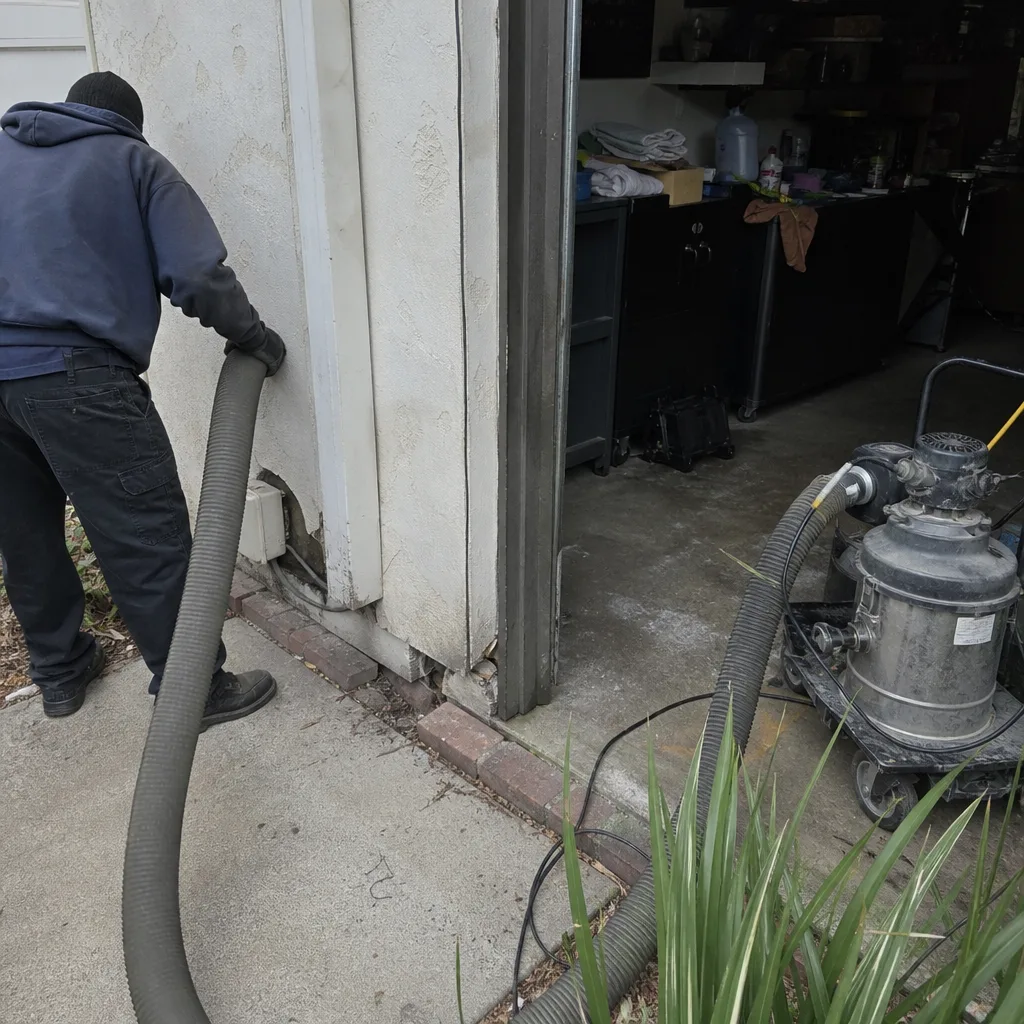 Before
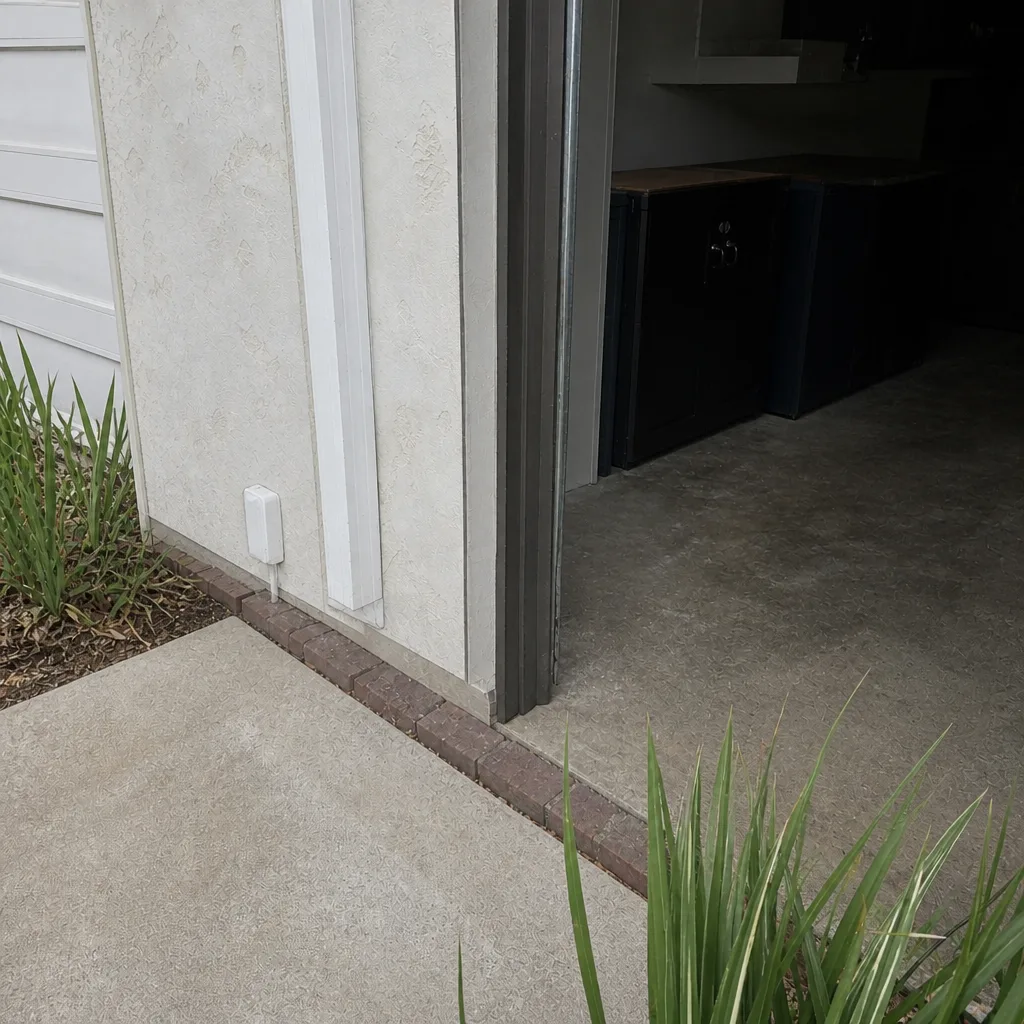 After
When to Call a Professional
Some duct conditions are safe to monitor. Others benefit from a professional assessment without delay. Call when you notice visible dust streaking from the registers, an unexplained musty odor that returns after cleaning the room, or a recent renovation that pushed construction dust into the return side. Call if anyone in the household is dealing with allergies that seem worse indoors than out, or if you’ve just moved into a home where the previous owner’s maintenance history is a mystery. Call if the HVAC system is old enough that the ducts may have pulled apart at the joints, or if the dryer vent hasn’t been checked in years. Air Duct Cleaning Huntington Beach Pros offers free estimates in Huntington Beach. Our technicians have up to 10 years of experience and match the equipment to the job. Call (866) 937-8807. We answer 24/7. Fast dispatch from 7am to 7pm, Sunday through Friday.
Frequently Asked Questions
Compare them by their equipment list, not their reviews. Ask each company to name its contact-cleaning system, its HEPA vacuum, and whether it uses negative air containment on heavy jobs. A company that can answer all three precisely is equipped for real cleaning; one that can’t is telling you its ceiling. Call (866) 937-8807 for an exact quote, estimates are free.
No. NADCA alignment is a solid baseline for method, but it doesn’t verify the equipment a company owns or how thoroughly it works on your specific system. Use it as your first filter, then ask the equipment questions. Certification plus a full toolkit is the combination that matters.
Ask for camera inspection footage of your own ducts before and after, plus airflow readings at the registers taken before and after. Photo pairs from the same angle are the next best evidence. Verbal assurance is the weakest proof. Any serious brand treats documentation as part of the job. Call (866) 937-8807 for an exact quote, estimates are free.
Usually because the job is smaller. A low quote often reflects one portable vacuum and a brush rather than a three-system setup with true HEPA filtration and containment. You’re not comparing the same service, and the debris those machines leave behind is the reason. Call (866) 937-8807 for an exact quote, estimates are free.
There’s no universal interval; it depends on the system, the filtration, and what’s happened in the home. A house that just finished a remodel, a home with pets, and an older HVAC system with worn filtration all justify a sooner look than a newer, well-maintained system. Ask for an assessment before committing to a schedule. Call (866) 937-8807 for an exact quote, estimates are free.
Both can deliver good work. Franchises are strong on standardized process; local operators with owned equipment often cover a broader scope, including duct repair, sealing, dryer vent service, and integration with Honeywell and Aprilaire systems. The deciding question remains the equipment list. If you need air duct cleaning Huntington Beach Pros to walk through what your system needs, a conversation over the phone is a good start.
The Bottom Line
Testimonials and coupons are marketing. Equipment is fact. When you’re choosing a duct cleaning brand in Huntington Beach, remember the three-system benchmark: contact cleaning to scrub the duct walls, HEPA extraction to capture the debris, and negative air containment to protect the rest of the home during the job. Ask the equipment questions before you book, ask for camera documentation as part of the work, and match the equipment to the job rather than accepting a one-size-fits-all visit. A brand that shows up with the full toolkit and is willing to prove its work with footage and readings is a brand you can trust with your home’s air.
Ready for a Real Equipment Conversation?
If you’ve read this far, you already know the right questions. We’d rather answer them than sell you a coupon. Call (866) 937-8807. We answer 24/7. Fast dispatch from 7am to 7pm, Sunday through Friday. Estimates are free, the price is set per job by the written estimate, and we match the equipment to the job from the first visit to the last. From dirty ducts to clean air, we handle every step.
Written by the team at Air Duct Cleaning Huntington Beach Pros.