
Last updated November 24, 2026
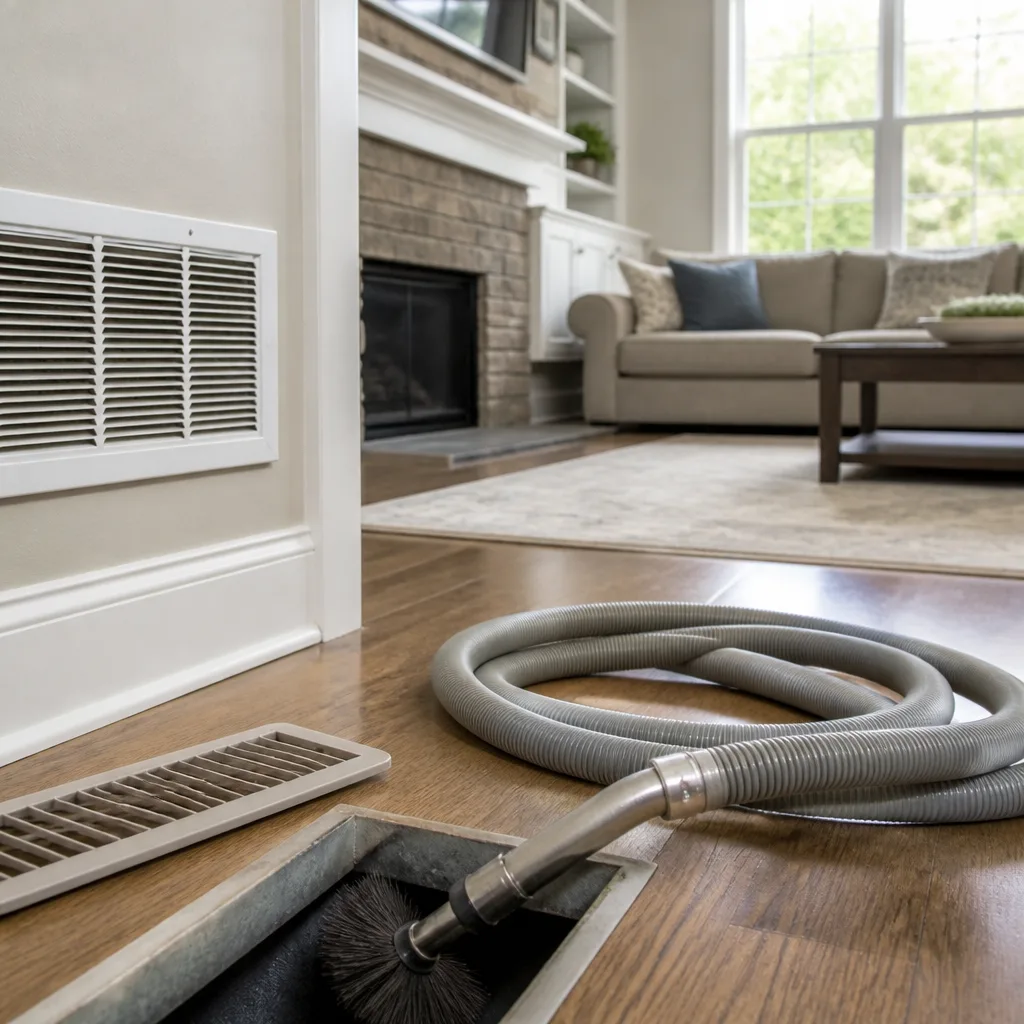 Whole-home duct cleaning
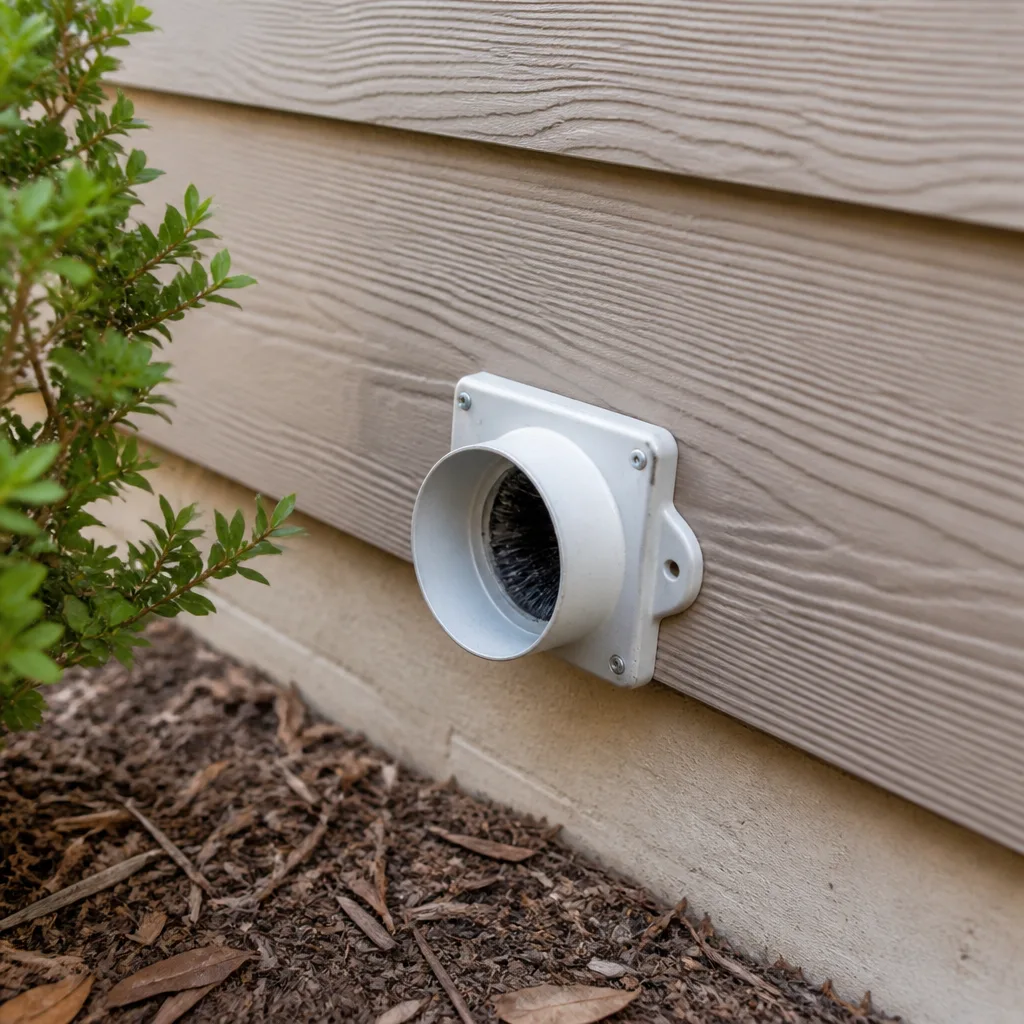 Dryer vent cleaning
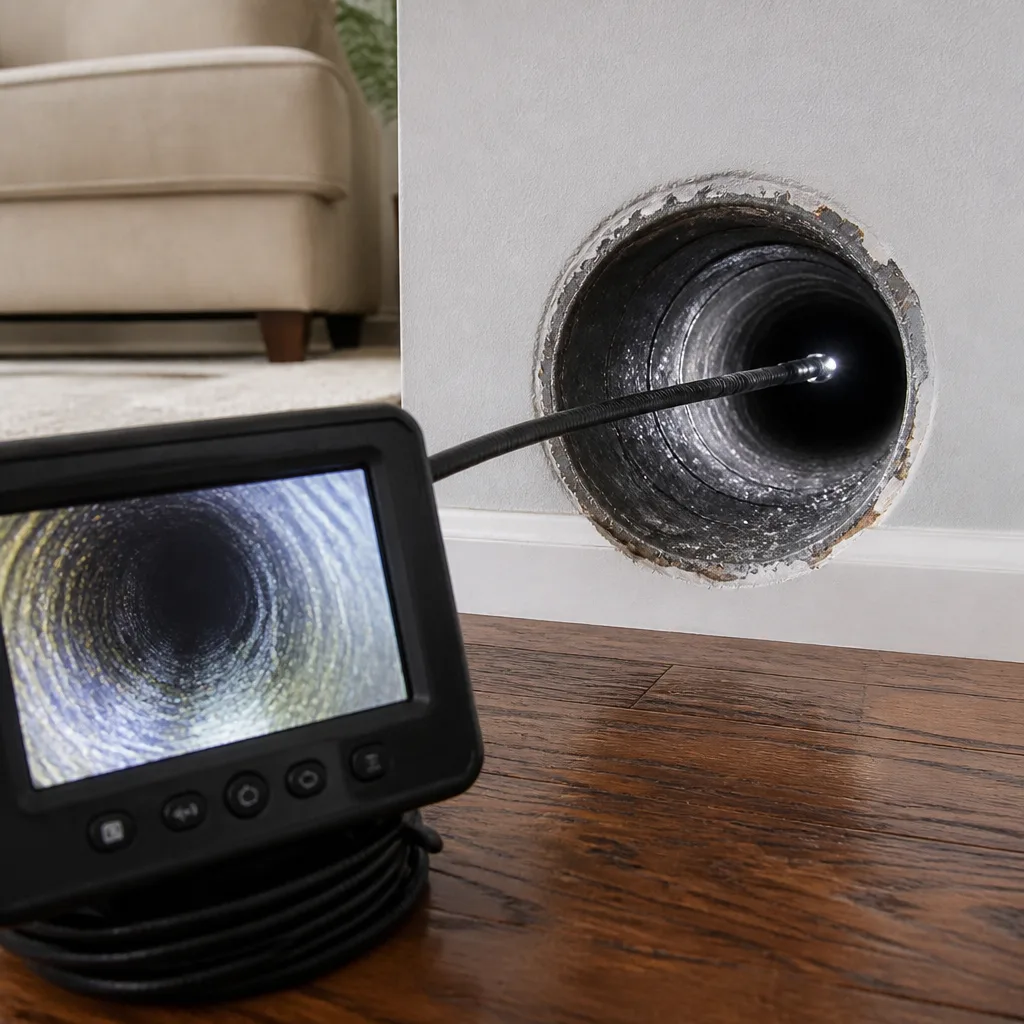 Camera inspection
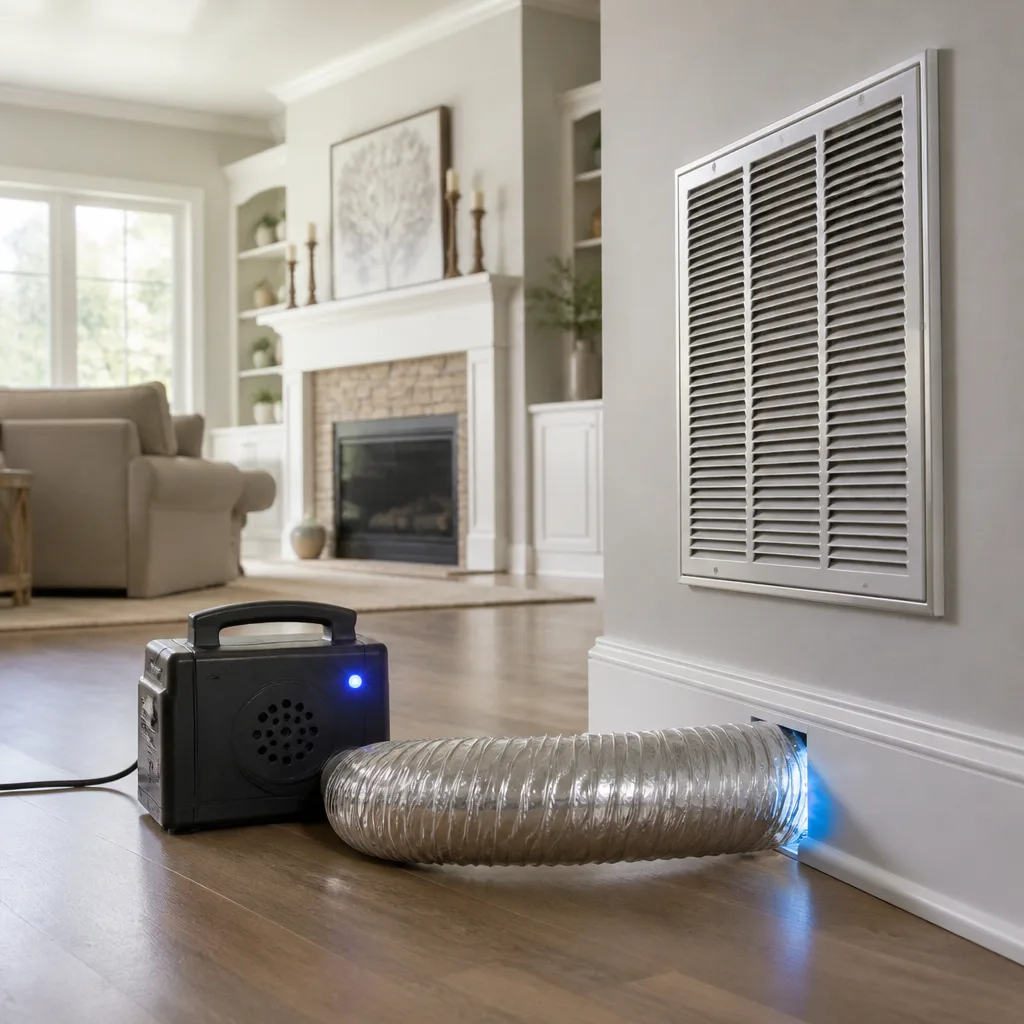 Sanitizing & deodorizing
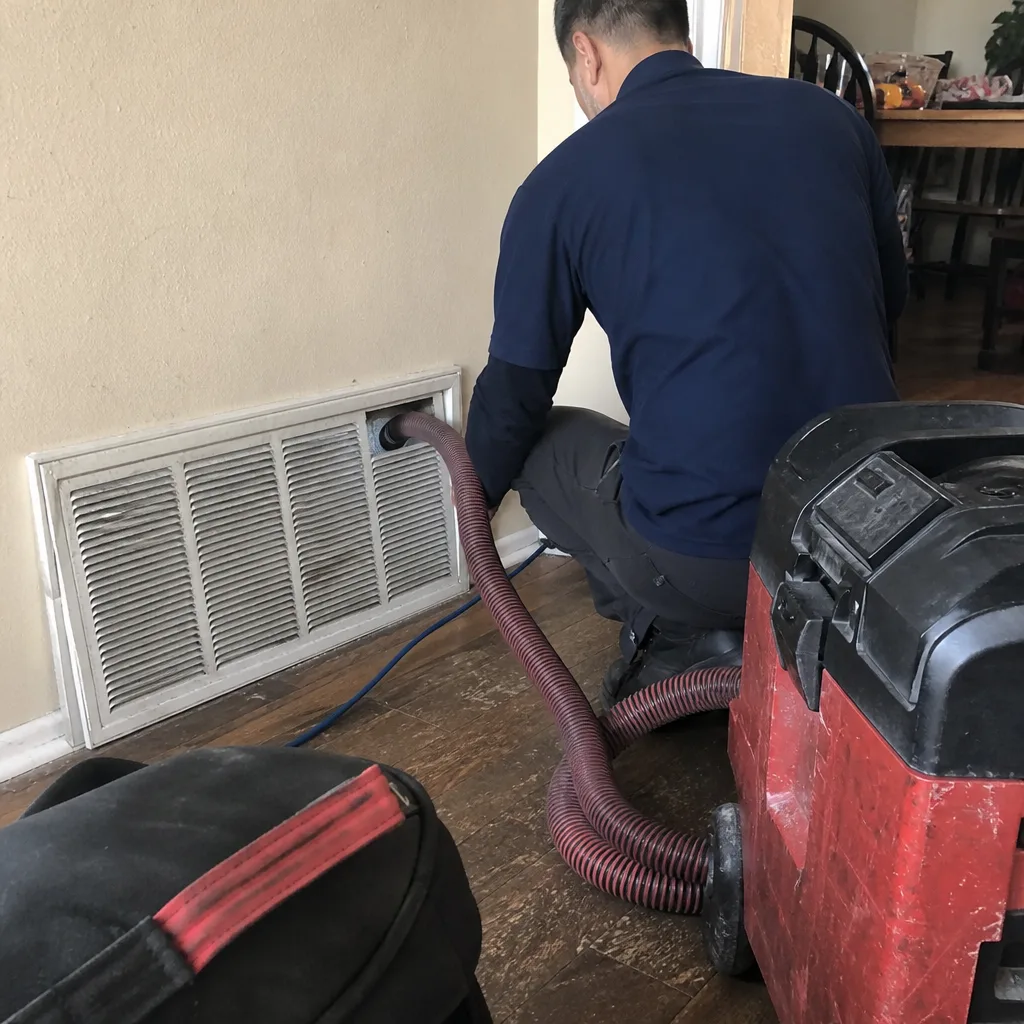
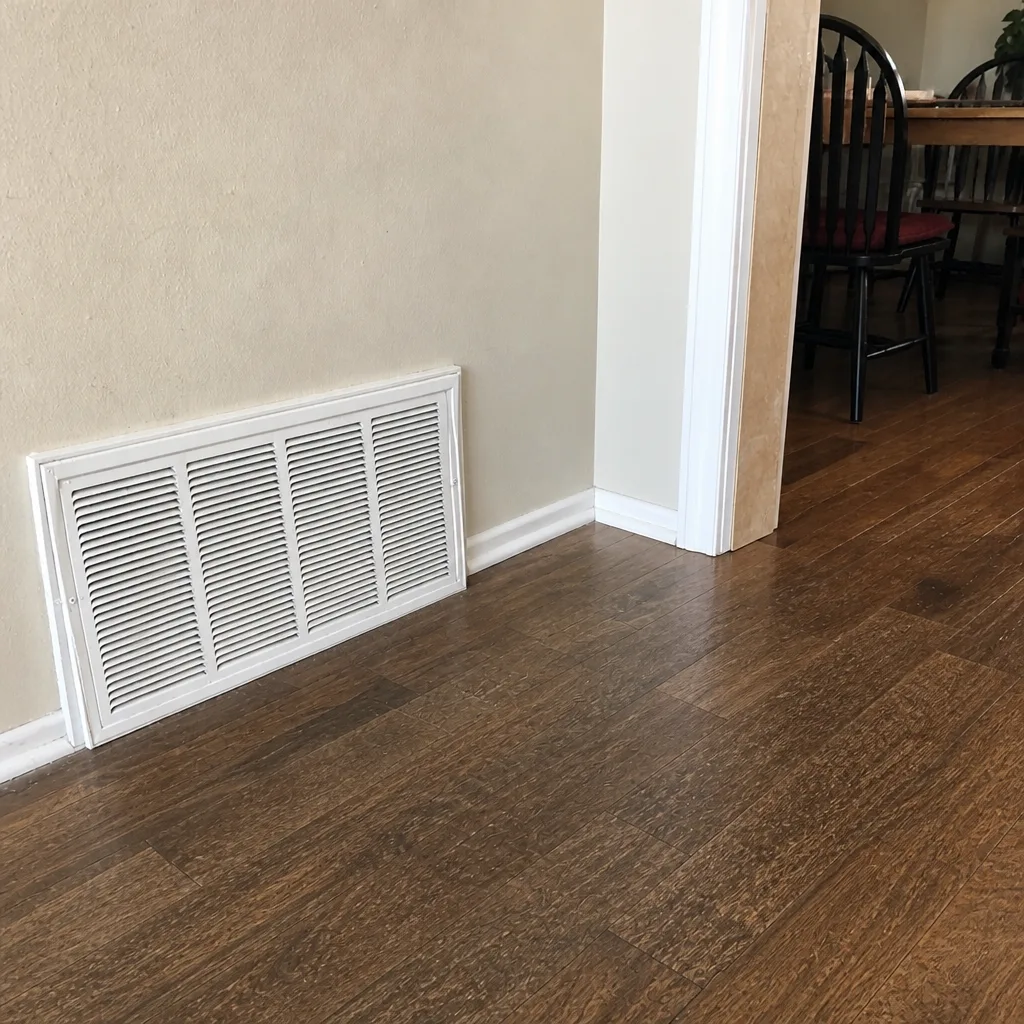
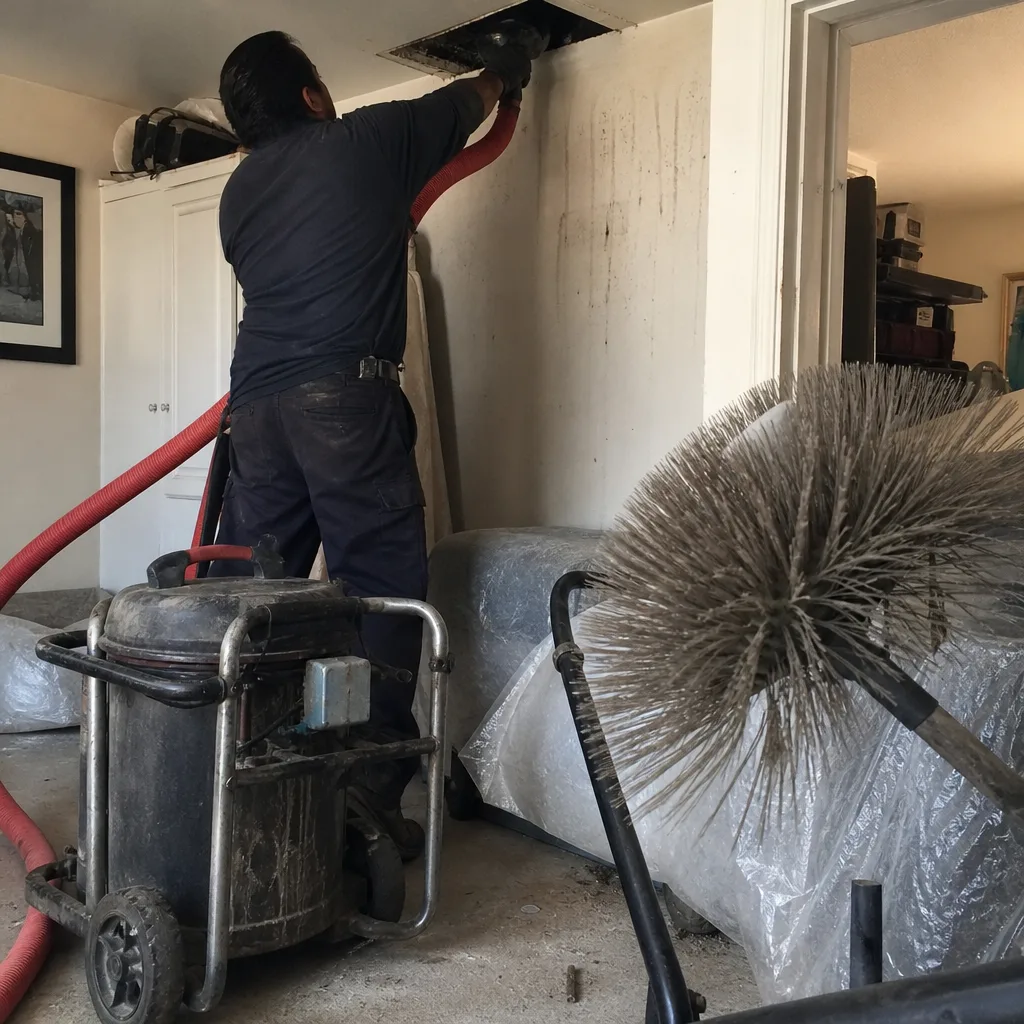
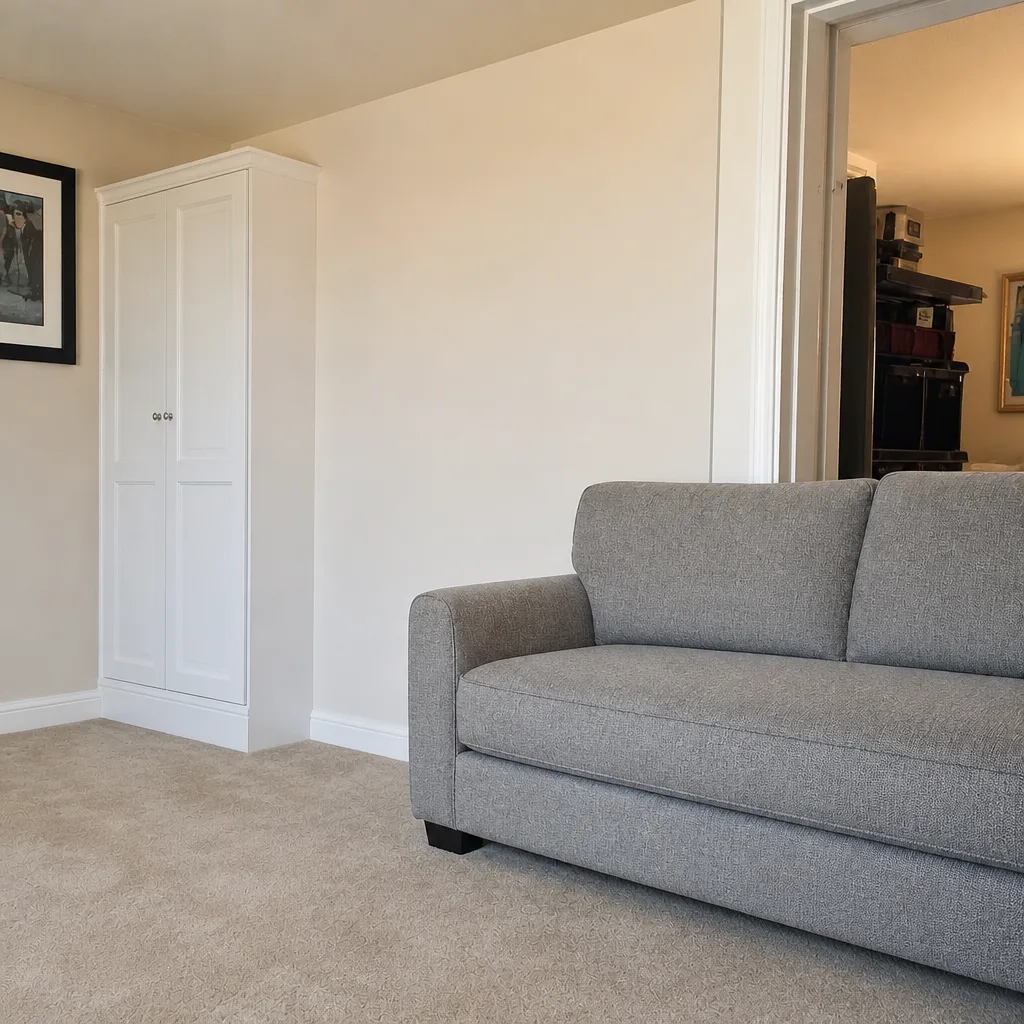
Whole-system duct and dryer vent check with before-and-after photos - you see exactly what came out of your vents
That "$99 whole-house special" is a bait ad - the real number appears once they are in your hallway, or the "clean" is a shop-vac at the register. We photograph the inside of your ducts before and after instead.
Air Duct Cleaning Cost Breakdown: The Huntington Beach Homeowner’s Reference for 2026
Most Huntington Beach homeowners assume the wildly different duct cleaning quotes they collect are all pointing at the same job, just priced by different companies. They’re not. A $149 offer and a $1,200 whole-system quote often describe two completely different processes, two different equipment sets, and two different amounts of actual work. The low number buys roughly an hour and a half of one technician’s time with a consumer-grade vacuum. The high number buys contact cleaning, HEPA extraction, and a documented before-and-after of what came out of your ducts. This reference translates price into process, so you can look at any quote and know what you’re actually being sold. We’ll break down real cost floors in Huntington Beach, explain why per-vent pricing rewards rushing, and give you a scope checklist to make every bid comparable.
Quick Answer
A legitimate whole-home air duct cleaning in Huntington Beach for a typical 2,000 sq ft house generally runs $450 to $900, with larger or dual-zone and raised-foundation homes reaching $900 to $1,400. Anything quoted well under $300 usually means one technician with consumer equipment for under two hours, and anything over $1,500 should come with a written scope that clearly justifies the number. The written estimate, not the phone quote, sets your final price.
Styles & brands we work with
- Whole-home duct cleaning
- Dryer vent cleaning
- Camera inspection
- Sanitizing & deodorizing
Table of Contents
- Why Is There a Real Cost Floor for Duct Cleaning in Huntington Beach?
- How Much Does Air Duct Cleaning Cost in Huntington Beach in 2026?
- Per-Vent Pricing vs. Whole-System Flat Rate: Which Is Better?
- What Does Professional Equipment Actually Cost Per Job?
- How Home Size and Duct Complexity Change the Price
- Which Add-Ons Are Legitimate and Which Are Upsells?
- How to Compare Duct Cleaning Quotes Apples-to-Apples
- Can You Clean Ducts Yourself, and When Shouldn’t You?
Why Is There a Real Cost Floor for Duct Cleaning in Huntington Beach?
Every legitimate duct cleaning job has a floor below which the math stops working, and understanding that floor is the fastest way to spot a quote that can’t deliver what it promises. A real whole-home cleaning needs two technicians for a meaningful stretch, professional extraction equipment, surface protection for your floors and furnishings, and a documented result. Those inputs cost money before anyone reaches your driveway. When a quote lands far below that floor, something has to give: time on site, equipment quality, or how much of the system actually gets cleaned.
In a 2,000 sq ft Huntington Beach home, the typical real cost floor sits around $450. That’s the point where a company can afford contact cleaning of the supply and return runs, HEPA extraction, and a genuine before-and-after record. The number shifts up with square footage, number of registers, system zones, and how much debris is present.
What drives that floor:
- Labor hours. A real whole-home cleaning is a multi-hour job with two technicians, not a walkthrough.
- Equipment amortization. Professional contact-cleaning and HEPA systems carry real purchase and maintenance costs spread across every job.
- Surface protection. Products like Guardsman floor and furniture protection add material cost but prevent callbacks and damage claims.
- Documentation. Before-and-after photos and a written report take time to produce properly.
When you see a quote under $300 for a whole house, ask what specifically is being skipped. The answer is usually registers, the return side, or both.
How Much Does Air Duct Cleaning Cost in Huntington Beach in 2026?
Here’s how typical 2026 Huntington Beach pricing breaks down by job type. These are estimated ranges from the local market, and every one of them depends on a written estimate after a technician sees your system.
| Service | Typical Estimated Range | What It Covers |
|---|---|---|
| Whole-home standard cleaning (up to ~1,500 sq ft) | $350 – $550 | Contact cleaning of supply and return runs, HEPA extraction, register cleaning |
| Whole-home standard cleaning (1,500 – 2,500 sq ft) | $450 – $900 | Same scope, more runs and registers, longer extraction time |
| Larger or dual-zone homes (2,500+ sq ft) | $900 – $1,400 | Two systems or multiple zones, more registers, extended labor |
| Heavy contamination or post-renovation cleanup | $800 – $1,600 | Negative-air containment, extended extraction, sanitizing where appropriate |
| Duct sanitizing (added to cleaning) | $150 – $400 | Application after cleaning, priced by system size |
| Duct sealing (added to cleaning) | $400 – $900 | Sealing accessible joints and leaks, priced by run count and access |
| Dryer vent cleaning (standalone) | $120 – $250 | Full vent run clearing, lint removal, exterior termination check |
Two things to note. First, these are whole-system estimates, not per-vent numbers. Second, the range within each row exists because duct layout, register count, and contamination level vary house to house. A home in the older inland tracts near the Eader Park area and a newer build closer to the coast can be the same square footage and still price differently because of how the ductwork was run.
For a fuller picture of what the core service includes, see our air duct cleaning page, which walks through the standard process step by step.
Per-Vent Pricing vs. Whole-System Flat Rate: Which Is Better?
Whole-system flat rate produces better outcomes than per-vent pricing, and the reason is structural. When a company charges by the register, the fastest path to a higher invoice is more registers, which means shortcuts elsewhere. When a company charges one flat price for the full system, the incentive flips: the job is profitable by doing it thoroughly, not by rushing.
Here’s how per-vent pricing shapes behavior:
- It rewards speed. Every minute on a register cuts into the margin, so the technician spends less time per vent. Fifteen seconds per register is not cleaning; it’s a pass with a hose.
- It tempts the upsell. “You have twelve vents, but we recommend treating the two worst ones” turns into a sales conversation instead of a cleaning job.
- It hides the real scope. The return side, the main trunk, and the plenum are where the heavy debris sits, and per-vent pricing rarely covers them properly.
Flat-rate whole-system pricing changes the conversation entirely. The technician knows the full scope before the price is set: number of runs, number of registers, condition of the system, and any access complications. The price is agreed, then the work is done to that scope. If real contamination turns up mid-job, that’s a conversation and a revised written estimate, not a surprise invoice.
This is why we quote one flat price per system, agreed before work starts. If a company quotes per vent in Huntington Beach, ask whether the trunk lines, plenum, and return side are included in that number. Usually they aren’t.
What Does Professional Equipment Actually Cost Per Job?
Wirecutter-grade shop vacuums are cheap, and they show it. A professional duct cleaning operation uses equipment that costs tens of thousands of dollars to purchase and maintain, and that cost is baked into every price. Understanding what each piece does explains why a legitimate quote needs to be where it is.
Three platforms matter, and we match the equipment to the job:
- Rotobrush contact cleaning. A rotating brush connected to a vacuum line drives through each duct run to physically scour the walls. This is contact cleaning, the mechanical removal of material, not just aeration. It’s the same platform trusted by professional duct cleaning contractors nationwide.
- Nikro HEPA extraction. HEPA filtration captures fine particulates at the source so they don’t recirculate into your home during cleaning. This is the piece that keeps the job from turning your living room into a dust cloud.
- Abatement Technologies negative-air equipment. For homes with mold-adjacent concerns, heavy debris loads, or post-renovation contamination, negative-air containment keeps the work zone under pressure so contaminants stay contained. Not every job needs this, but the ones that do can’t be handled without it.
Each of those platforms has real per-job costs: filter replacements, brush head wear, hose wear, setup time, and maintenance. HEPA filters alone are a consumable you’re paying for whether you see it on the invoice or not. Add surface protection like Guardsman products and the equipment reality sets a floor that no legitimate company can undercut without skipping something.
When we talk about our HVAC cleaning work, this is the equipment stack we mean. If a company shows up with a single shop vac and a hose, you’re not getting contact cleaning or HEPA extraction. You’re getting a surface pass.
How Home Size and Duct Complexity Change the Price
Two homes can be the same square footage and still price $300 apart. Duct layout and foundation type are the biggest reasons, and both come up constantly in Huntington Beach.
Slab vs. raised foundation. Slab-foundation homes often run ductwork overhead through the attic, which means the crawl access and duct layout affect setup time. Raised-foundation homes run ductwork underneath, and accessing it means working in a crawl space, which takes longer and requires more care with containment. Neither is inherently “worse,” but the labor differs, and that shows up in the estimate.
Flex duct vs. sheet metal. Flex duct has ridges that trap debris and require careful brush work so the liner isn’t damaged. Sheet metal is smoother and often easier to clean thoroughly, but it’s more prone to leaking at joints, which is why sealing is a common add-on.
Single vs. dual-zone systems. A dual-zone home has two systems or two air handlers, and each one is its own cleaning job. Don’t be surprised when the estimate for a two-system house is roughly double the single-system range.
Register count. Whole-system pricing is not per-vent, but register count still matters because each register is a real cleaning step. A home with twelve registers and one with twenty-four are different jobs even at the same square footage.
Access. If a duct run is boxed in, hard to reach, or requires additional setup, the estimate will reflect that.
When you call, having your square footage, foundation type, number of systems, and rough register count ready makes the phone conversation faster and the written estimate tighter. For a broader walkthrough of the whole job, our main page on Air Duct Cleaning Huntington Beach Pros covers the process from first call to final report.
Which Add-Ons Are Legitimate and Which Are Upsells?
Some add-ons are real and worth the money. Others are sold because they’re easy to pitch, not because they do much. Here’s how we’d sort them if we were evaluating our own quote.
Duct sanitizing: legitimate, situational. A sanitizing application makes sense after heavy contamination, after mold concerns, or after a renovation. It’s a finishing step, not a substitute for cleaning. If a company pushes sanitizing as the main event and skips contact cleaning, that’s a red flag.
Duct sealing: legitimate, often worth it. Sealing accessible joints and leaks keeps conditioned air where it belongs and reduces dust infiltration. In older Huntington Beach homes with aging sheet metal and sagging connections, sealing is often the higher-value add-on. It pairs naturally with cleaning because the ducts are accessible and clean at that moment.
Dryer vent cleaning: legitimate, safety-critical, and often overlooked. Lint buildup in a dryer vent is a real fire hazard, and it’s a service many HVAC-focused companies don’t offer or subcontract. Having it done alongside duct cleaning keeps it from getting forgotten. Our dryer vent cleaning page covers what’s involved.
UV light installation: sometimes worth it, often oversold. UV systems can help manage microbial growth in the air handler coil area, but they are not a substitute for cleaning, and a UV light in dirty ducts is treating a symptom. Ask how the system is sized and where it’s mounted before agreeing. If it’s offered in the same breath as duct cleaning with no discussion of your specific system, treat it as a sales pitch first.
Whole-home air quality systems: legitimate when integrated with the duct work. We work with Honeywell and Aprilaire systems to bridge cleaning with long-term filtration and humidity management. Those are real products, but they only make sense when sized and installed correctly, and they should be explained, not rushed.
How to Compare Duct Cleaning Quotes Apples-to-Apples
Quotes for the same job can look identical on paper and describe totally different work. The fix is a scope checklist you send to every company before they bid, so every quote reflects the same deliverables. Here’s the one we’d use.
- Whole system or selected runs? Ask explicitly whether the price covers the full supply side, the full return side, the main trunk, and the plenum. If any of those are excluded, the quote is partial.
- What cleaning method? Contact cleaning (a rotating brush with vacuum) is the standard. Ask whether the company uses contact cleaning or air-only blow-through. Air-only pushes debris around; it doesn’t remove it.
- What extraction equipment? HEPA-filtered extraction is the bar. Ask what filtration is used and how fine the capture goes.
- Number of technicians and estimated time on site. One technician for ninety minutes is a different job than two technicians for three hours. Get the number in writing.
- Register and grille cleaning. Some companies clean the ducts but leave the grilles untouched. Confirm grilles and registers are included.
- Surface protection. Ask what’s used to protect floors and furnishings during the job.
- Before-and-after documentation. A legitimate company photographs your ducts before and after and can show you the images. Ask for it in the scope.
- Written estimate and final price. The number should be in writing before work starts, with a clear statement that the written estimate sets the final price.
Send those eight questions to three companies and the bids will look very different. That’s the point: the differences reveal who’s actually doing the work described. If you’d rather skip the shopping process, you can call us at (866) 937-8807 for a free estimate and walk through the checklist in one conversation.
Can You Clean Ducts Yourself, and When Shouldn’t You?
Light surface cleaning around registers is a reasonable homeowner task. Cleaning the duct runs themselves is not. Here’s the honest split between what you can do and what belongs to a professional.
What you can do yourself:
- Remove and wash register covers and grilles, let them dry, and put them back.
- Vacuum the visible area just inside a register with a brush attachment, careful not to push debris deeper.
- Change your HVAC filter on schedule. This is the single highest-impact maintenance step.
- Clean the lint trap after every dryer cycle.
What should go to a professional:
- Cleaning the duct runs themselves. Consumer vacuums can’t generate enough airflow to move debris down a run, and pushing it around can redistribute contamination into your living space.
- Any work in a system that showed visible mold, pest activity, or heavy debris.
- Post-renovation cleanup where drywall dust and construction debris are present.
- Duct sealing and repair, which requires understanding how the system is assembled and how leaks affect performance.
A word on safety: air handlers, electrical connections, and gas-fired heating equipment sit at the heart of many of these systems. Those components are not homeowner-serviceable. A trained technician knows what to isolate and how to work around electrical and gas safely. If you’re not sure what you’re looking at, that’s the signal to stop and call someone who is.
For mild maintenance, DIY is fine. For actual cleaning, the equipment gap is too big to close with a shop vac.
Common Mistakes to Avoid
- Choosing on price alone. A $99 or $149 quote almost never becomes a $149 invoice. It becomes a larger upsell once the technician is on site. Compare scope, not the headline number.
- Assuming per-vent quotes are complete. Per-vent pricing usually leaves out the return side and main trunk, which is where most debris sits. Ask explicitly what’s excluded.
- Skipping the return side. Some companies clean the supply registers and stop, leaving the returns untouched. Returns carry a lot of the load. Confirm they’re included.
- Not asking for before-and-after photos. If a company can’t show you what came out of your ducts, you have no way of knowing what was done. Ask how documentation works.
- Buying UV lights or sanitizing before the cleaning is done. Sanitizing and UV treatment make sense after the ducts are clean, not as a substitute. Sequence matters.
- Forgetting the dryer vent. Duct cleaning and dryer vent cleaning are separate jobs, and the dryer vent is where the actual fire risk lives. A duct cleaning invoice that doesn’t mention the dryer vent means it hasn’t been addressed.
- Not checking access in Huntington Beach’s older homes. A house built decades ago may have ductwork boxed in or retrofitted in ways that complicate cleaning. Get an on-site walkthrough before agreeing to a number.
See the difference
 Before
 After
 Before
 After
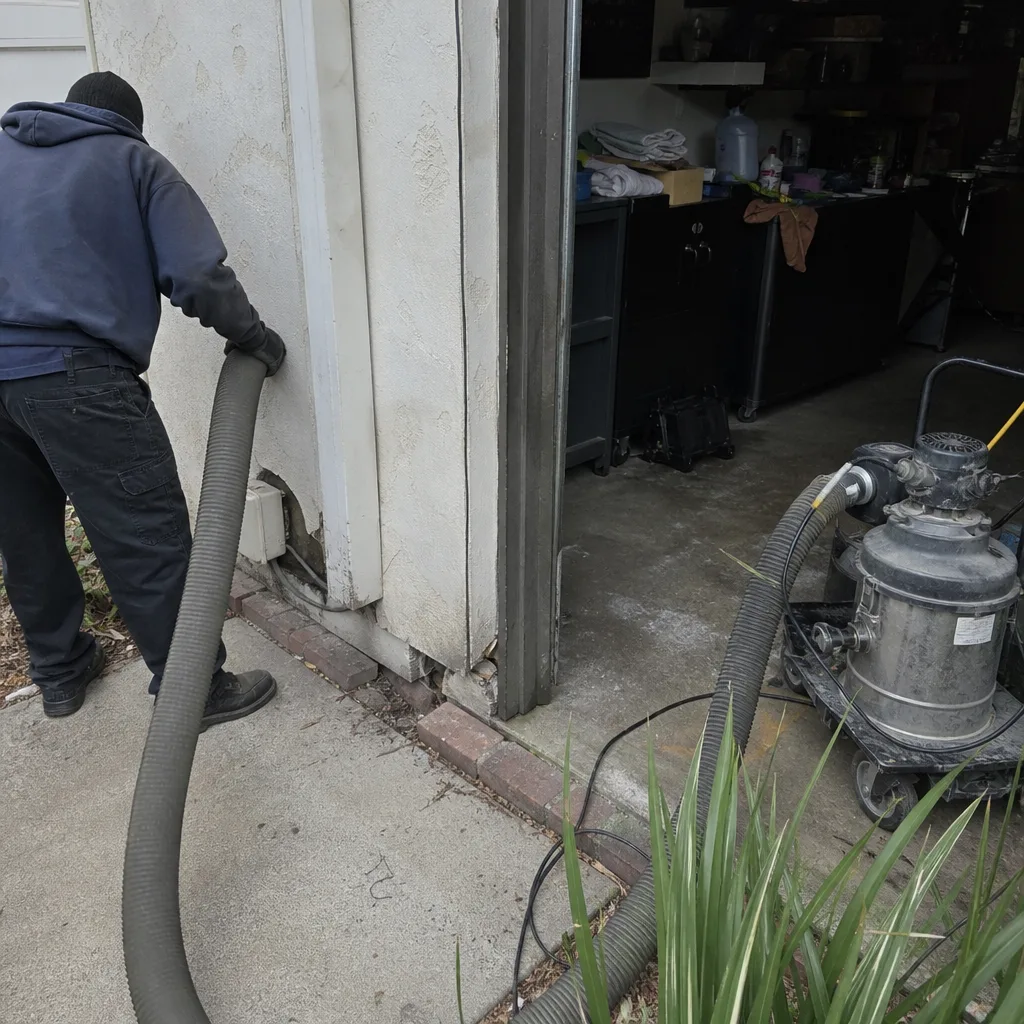 Before
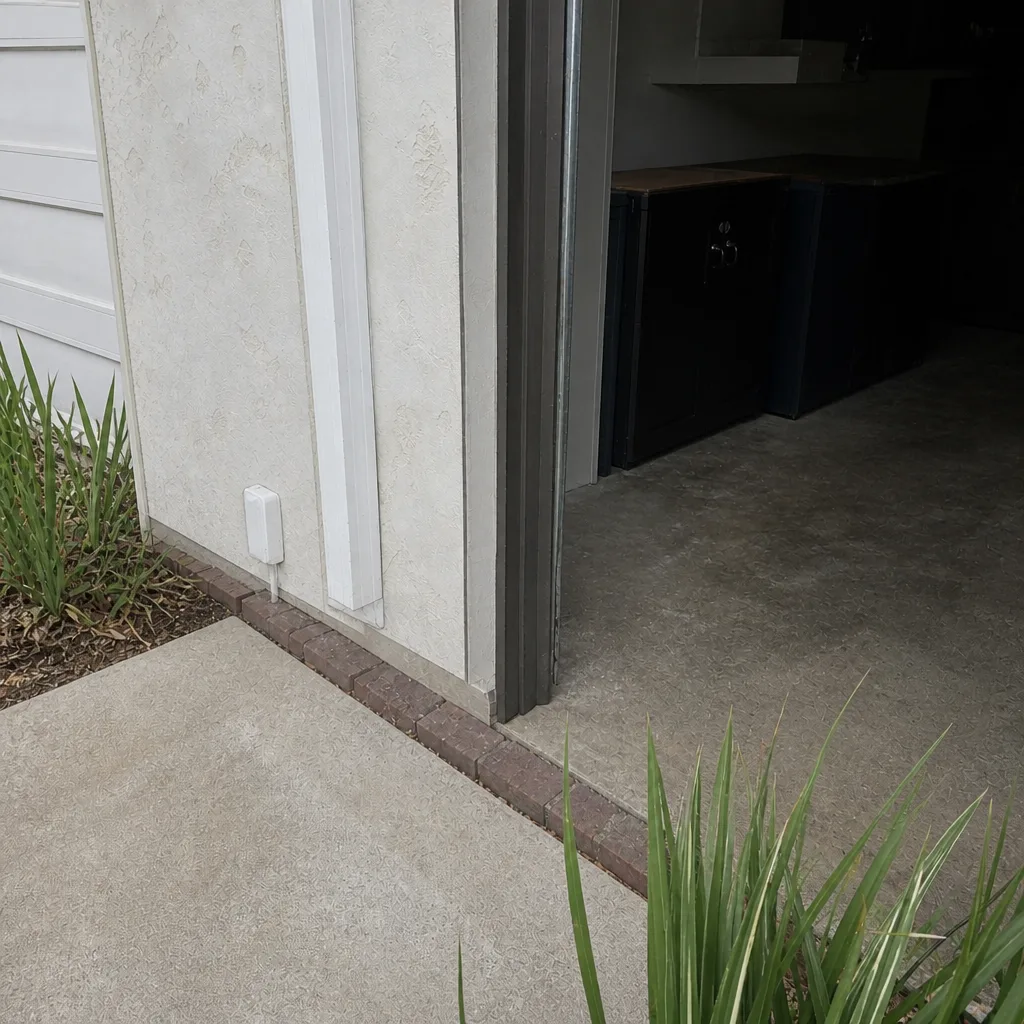 After
When to Call a Professional
Some signs clearly call for a professional, not a homeowner doing their best. If you’ve just finished a renovation and drywall dust has settled into the system, that’s a professional job. If you’re seeing visible debris blowing out of registers when the system runs, that’s the system content moving. If you or a family member has allergies that seem worse indoors and filters aren’t keeping up, a thorough cleaning plus duct sealing is often the starting point. If you’ve never had the system cleaned and the home is older, it’s worth an inspection even without obvious symptoms. If the dryer takes longer than it used to, get the dryer vent checked. And if you suspect mold or pest activity in the ducts, don’t run the system while you’re sorting it out.
Air Duct Cleaning Huntington Beach Pros offers free estimates in Huntington Beach. Call (866) 937-8807. We answer 24/7. Fast dispatch from 7am to 7pm, Sunday through Friday.
Frequently Asked Questions
A whole-home cleaning for a typical Huntington Beach home runs roughly $450 to $900, with larger or dual-zone homes reaching $900 to $1,400 and heavy-contamination jobs going higher. The written estimate sets the final price. Call (866) 937-8807 for an exact quote, and estimates are free.
Below-market quotes usually reflect cheaper equipment, less time on site, or a partial scope that excludes returns and the main trunk. A $149 quote doesn’t buy contact cleaning and HEPA extraction; it buys about ninety minutes with consumer-grade equipment and often a follow-up upsell. Ask any company what their quote includes and what it excludes, and compare like-for-like. Call (866) 937-8807 with any quote in hand and we’ll walk through what the scope actually covers.
Ask for before-and-after photos of your own ducts, taken during the job, plus a written summary of what was cleaned and any findings. A legitimate company will produce both without hesitation. If photos never appear, that’s a strong signal. Call (866) 937-8807 to see how documentation works, and estimates are free.
Most homes don’t need annual duct cleaning. A reasonable rhythm is every few years for a typical home, sooner after a renovation, after pest activity, or if you notice visible dust coming from registers or worsening allergy symptoms indoors. Regular filter changes matter far more than any cleaning schedule. Call (866) 937-8807 and we’ll help you judge whether your system is due, no charge for the conversation.
Flat-rate whole-system pricing is better for outcomes because it doesn’t reward rushing through registers to get to the next one. Per-vent pricing makes each vent a cost center, which encourages quick passes and frequent upsells. Ask any per-vent quote whether the return side, main trunk, and plenum are included; if they aren’t, the quote isn’t comparable. Call (866) 937-8807 for a flat-price quote, free estimates.
Cleaning removes accumulated dust, debris, and potential irritants from the system, and sealing leaks keeps more of that from coming back in. It’s not a cure for allergies, and anyone with significant health concerns should talk to a doctor first. The realistic benefit is reducing one source of indoor particulate exposure. Call (866) 937-8807 to talk through your situation, and estimates are free.
The Bottom Line
The gap between a $149 duct cleaning and a $900 one isn’t profit margin; it’s whether real equipment was used and real work was done. Legitimate whole-home cleaning in Huntington Beach has a real cost floor around $450 for a 2,000 sq ft home, and anything well below that requires asking hard questions about scope and equipment. Whole-system flat pricing produces better results than per-vent pricing because it rewards thoroughness instead of speed. Equipment matters: contact cleaning, HEPA extraction, and negative-air containment are not interchangeable with a shop vac. And when you compare quotes, send the same scope checklist to every company so the numbers mean the same thing. That checklist is the most valuable tool in this guide.
If you’d like to skip the shopping and get a straight answer, call Air Duct Cleaning Huntington Beach Pros at (866) 937-8807 for a free estimate. We answer 24/7. Fast dispatch from 7am to 7pm, Sunday through Friday.
Written by the team at Air Duct Cleaning Huntington Beach Pros.