
Last updated November 24, 2026
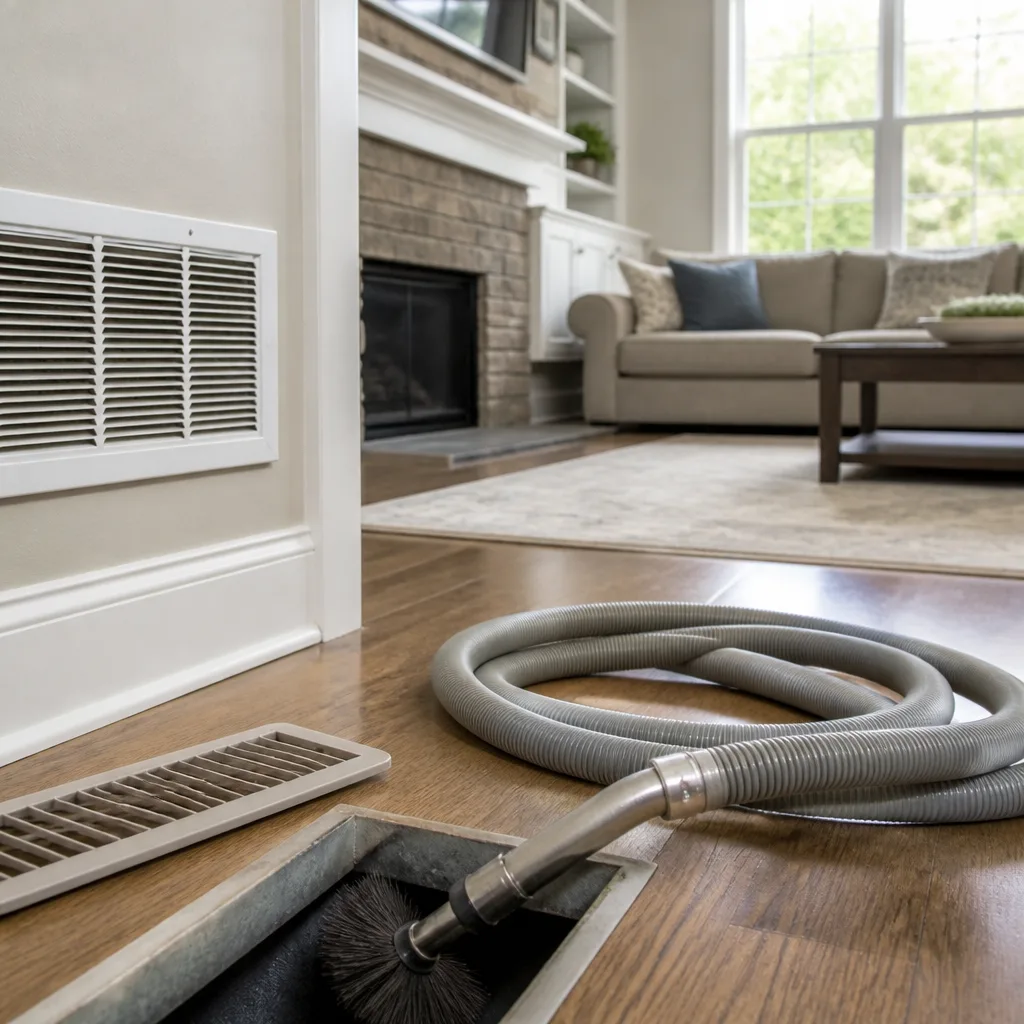 Whole-home duct cleaning
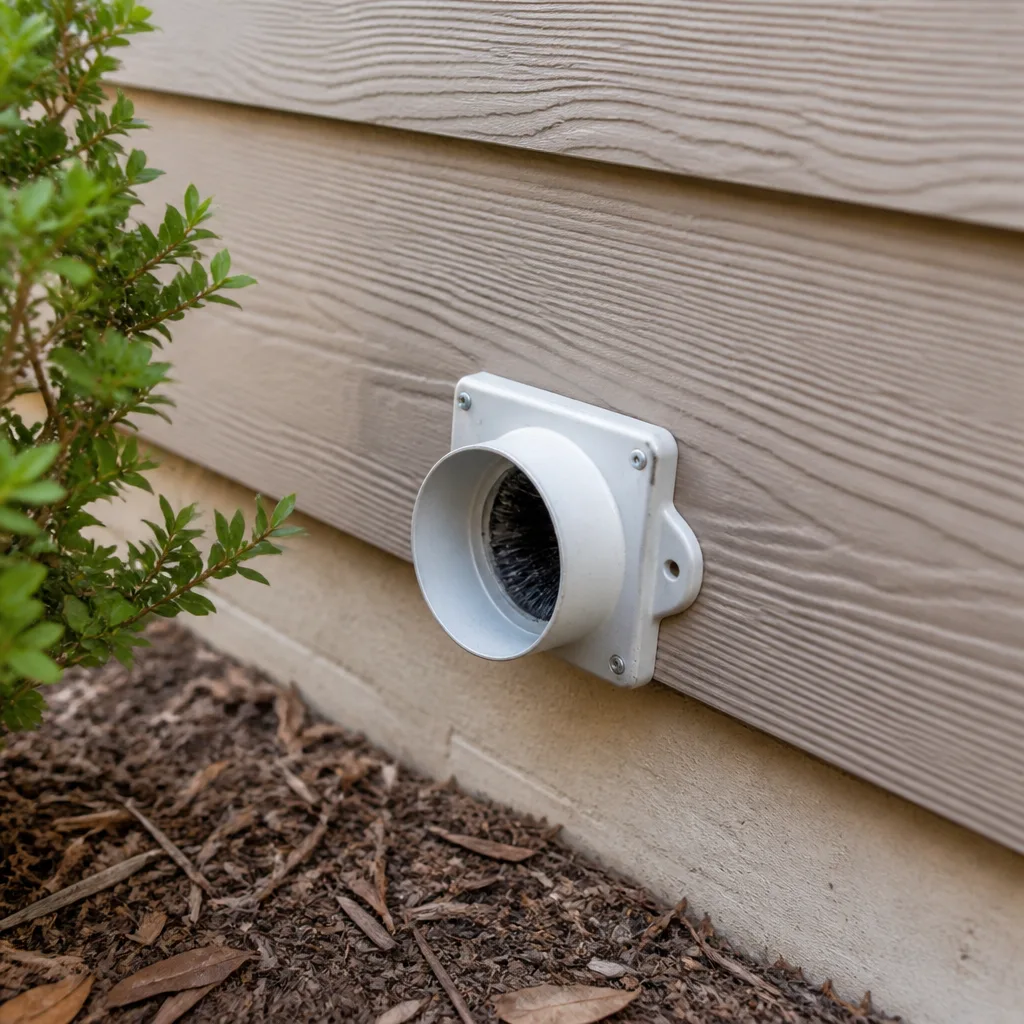 Dryer vent cleaning
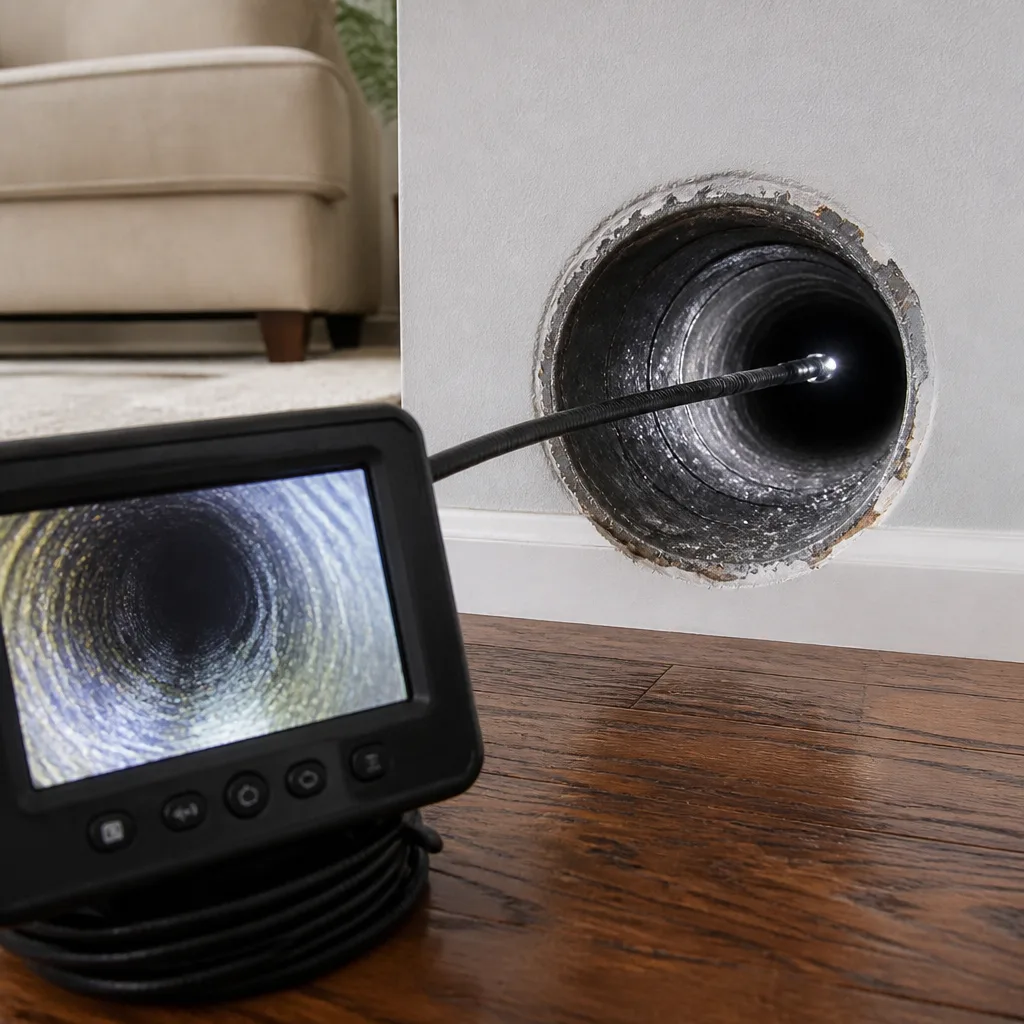 Camera inspection
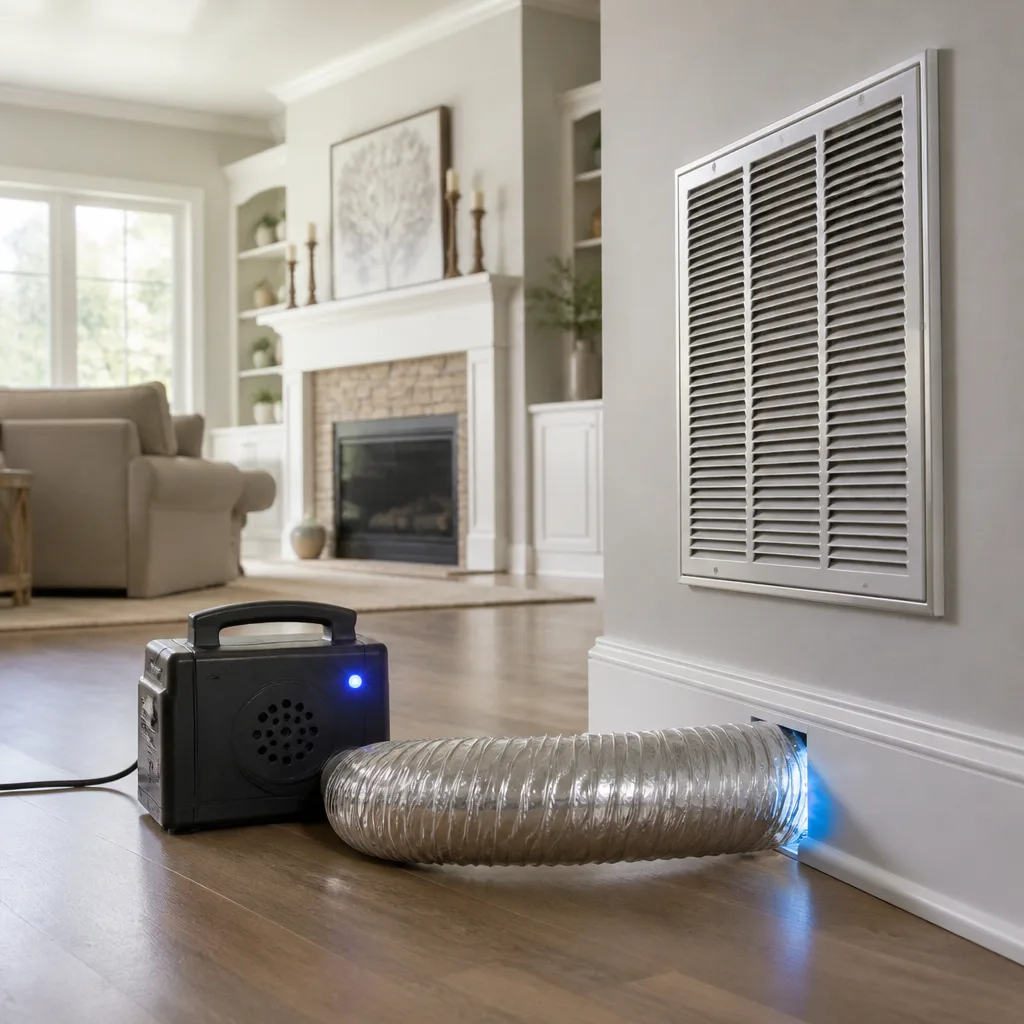 Sanitizing & deodorizing
Whole-system duct and dryer vent check with before-and-after photos - you see exactly what came out of your vents
That "$99 whole-house special" is a bait ad - the real number appears once they are in your hallway, or the "clean" is a shop-vac at the register. We photograph the inside of your ducts before and after instead.
Air Duct Cleaning Emergency Preparedness Guide for Huntington Beach Homes
Most Huntington Beach homeowners think about duct cleaning as routine maintenance, something to get around to between other projects. That thinking breaks down after a major event. Here’s the part that catches people off guard: your duct system keeps working long after the emergency ends. When wildfire smoke, flooding, or seismic activity sends contamination into your home, the HVAC system can circulate those particles through every room for weeks or months, even after the outdoor air looks clear again. This guide covers what to do in the first hours, days, and weeks after a specific event, how to tell whether your ducts need cleaning or just new filters, and how to document the damage before anyone touches your system. It’s written for Huntington Beach homes dealing with an event, not just a dusty return grille.
Quick Answer
After a wildfire smoke event, flood, or earthquake, your ducts need inspection within 48 to 72 hours if water was involved, and within two weeks if smoke or debris infiltrated the system. Filter replacement alone handles light smoke exposure, but visible debris, musty odors, or water contact require professional duct cleaning and sanitizing. Document everything with photos and HVAC records before cleaning starts so you can support an insurance claim.
Styles & brands we work with
- Whole-home duct cleaning
- Dryer vent cleaning
- Camera inspection
- Sanitizing & deodorizing
Table of Contents
- Wildfire Smoke Protocol for Huntington Beach Ducts
- Post-Flood and Water Intrusion: The 48 to 72 Hour Window
- Earthquake Damage Checklist for Your Duct System
- HVAC Shutdown Protocol During Emergencies
- What to Document Before Cleaning for Insurance
- Cleaning vs. Filter Replacement: Which Do You Need?
- When to Call a Professional
- Frequently Asked Questions
Wildfire Smoke Protocol for Huntington Beach Ducts
Wildfire smoke doesn’t behave like ordinary dust. It carries PM2.5 particles small enough to stay suspended in air for days, and they settle inside duct systems where any airflow lifts them back into living spaces. After a major smoke event, homes that kept their HVAC running during the worst air quality days tend to show measurable particulate accumulation inside ducts well past the point when outdoor air has cleared. That’s the real problem with smoke: the visible sky looks normal, but the contamination inside the system hasn’t gone anywhere.
Here’s a direct answer to the question most homeowners ask during a smoke event: shut off your HVAC and close your fresh-air intake as soon as regional air quality drops into unhealthy ranges. Don’t run the fan in “on” mode. Circulating smoky outdoor air through the system embeds particles deeper into duct surfaces and the air handler. When the smoke clears, that’s when inspection work begins.
Post-event duct assessment in Huntington Beach follows a few clear criteria:
- Visible ash or soot inside return grilles. Any visible deposit means contamination entered the system, not just the filter.
- Persistent smoke odor in rooms after outdoor air clears. Odor lingering a week after the event indicates deposits on duct surfaces.
- Filter loading within days of replacement. A new filter that turns gray in 48 to 72 hours tells you a lot of material is moving through the system.
- Allergy or asthma symptoms spiking after the event. Occupants reacting more than usual is a data point worth acting on.
Full cleaning after smoke exposure involves contact cleaning of duct interiors, not just vacuum extraction at the registers. Rotobrush contact-cleaning systems agitate and lift deposits from duct walls, while Nikro HEPA vacuums capture fine particulates at the source so they don’t recirculate into the home during the cleaning itself. For homes with heavy contamination, negative-air equipment keeps the workspace under pressure so dislodged material doesn’t drift into living spaces. When we work in Huntington Beach homes after a smoke event, matching equipment to the actual contamination level matters more than moving fast.
When Is Filter Replacement Enough?
If your home’s HVAC stayed off during the smoke event, the filters were replaced promptly afterward, and there’s no visible debris inside the ducts or lingering odor, replacement may be sufficient. Keep records of filter changes and take photos of the old filter before you throw it away. If conditions change in the following weeks, that record saves you time.
Post-Flood and Water Intrusion: The 48 to 72 Hour Window
Water inside a duct system is a different category of problem than smoke, and it’s time-sensitive. Mold colonization in damp duct cavities becomes likely within 48 to 72 hours, which means the clock starts the moment water enters the system, not the day you notice an odor. Huntington Beach homeowners dealing with flooding from plumbing failures, roof leaks, or storm intrusion should treat duct inspection as part of the first day of recovery, not a later appointment.
Water reaches ducts through several routes during a flood event:
- Submerged air handlers or furnace cabinets where water enters the blower compartment.
- Duct runs in crawl spaces, attics, or low areas that collect water during heavy rain.
- Water weepage through ceilings or wall cavities into duct chases.
- Backflow through condensate lines or drain pans when the system sits idle.
Signs to watch for in the days after water intrusion include musty or earthy odors when the system runs, visible moisture or staining inside registers, and a humid, heavy feel in rooms the ducts serve. Do not run the HVAC to “dry out” the system. Running the system with moisture inside ducts spreads mold spores throughout the home, which turns a localized problem into a whole-house remediation project.
Step-by-Step Post-Flood Duct Response
- Shut off the HVAC system entirely. Turn off the thermostat and, if water reached the air handler, shut off power to the unit at the breaker.
- Photograph water lines and moisture before anything dries. Your insurance adjuster needs to see the extent of the intrusion.
- Schedule a duct inspection within the 48-hour window. A moisture reading inside duct cavities tells you whether remediation is needed.
- Document any visible growth. Photograph it in place before cleaning, not after.
- Confirm the cleaning method matches the contamination. Mold-affected systems require negative-air containment so spores don’t spread during the cleaning.
Abatement Technologies negative-air equipment is built for this exact scenario: it holds the workspace under negative pressure while HEPA filtration captures contaminated air, which matters in systems where mold may already be present. Surface sanitizing after extraction addresses residual spores on duct walls, and duct sealing helps prevent recurrence where gaps admitted moisture in the first place.
Earthquake Damage Checklist for Your Duct System
Earthquake damage to HVAC ductwork often stays invisible until problems surface weeks later. Flex duct connections, the short accordion-style sections that bridge rigid duct runs to registers and air handlers, disconnect under seismic movement because they’re designed to flex and absorb vibration, not to hold through a sharp jolt. When they separate, they leak conditioned air into attics, crawl spaces, or wall cavities, and they pull unfiltered air from those spaces into the living area. You won’t usually see the disconnection. You’ll notice the effect: rooms that won’t heat or cool properly, dusty air at a register, or higher energy bills within a few weeks.
Here’s the inspection sequence that catches a seismic duct failure without tearing apart the system:
- Check each register for reduced airflow. A room that suddenly underperforms points to a separation further up the line.
- Look for visible dust plumes or streaks at flex duct joints where ducts are accessible in the attic or crawl space.
- Inspect the air handler connections. The flex run at the plenum is one of the most common disconnect points after a strong quake.
- Check duct hangers and straps. Sagging or slipped hangers indicate movement.
- Listen for rattling or whistling at startup. New noises after an event are worth a look.
Additional Seismic Checks
- Inspect rigid duct seams for separation or deformation.
- Confirm the air handler is still strapped, securely anchored, and level.
- Check for debris that fell into return openings or register boots.
- Ruled-out flex disconnections are worth documenting; you’ll want it if airflow issues develop later.
Flex duct repair and sealing are part of the full scope we handle. If a seismic event leaves you with disconnected runs, we can repair and reseal them and verify system performance afterward. Otherwise the same air leaks will waste energy and undermine any duct cleaning you do later.
HVAC Shutdown Protocol During Emergencies
Running your HVAC during a smoke, flood, or earthquake event is the single most common way Huntington Beach homeowners make contamination worse. The system moves roughly all the air in your home through its ducts in about an hour, which means every particle that enters the return is quickly distributed through every room. During a smoke event, that means smoke-derived particulates migrate from the intake to bedroom ductwork in minutes. During water intrusion, the system sprays moisture into areas that would otherwise stay dry.
The shutdown protocol varies by event type:
- Wildfire smoke: Set thermostat to OFF, close fresh-air intakes, and keep windows and doors closed. Don’t run the fan in continuous mode.
- Flood or water intrusion: Shut off the system at the thermostat and at the breaker if the air handler or any electrical component is wet.
- Earthquake: Turn off the system after the shaking stops, inspect for gas odors and wiring damage, then bring the system back online once ducts are verified intact.
After the system is back on, watch for a few signals that contamination is still moving through it: persistent odors, reduced airflow, filter loading within days, or a dust film on horizontal surfaces shortly after cleaning. Any of these signals means the ducts need professional attention before you keep using the system.
What to Document Before Cleaning for Insurance
Insurance claims for air quality remediation rise or fall on documentation gathered before cleaning starts. Once a duct system is cleaned, the evidence is gone. For Huntington Beach homeowners who are dealing with a smoke, flood, or seismic event, the sequence matters as much as the list of items. Gather everything on this list first, then schedule the cleaning.
- Photographs of the damage. Photos of smoke haze, ash residue, water lines, fallen debris in registers, and visible growth inside ducts.
- Filter records. Photo the old filter before replacement and keep the new filter receipt.
- HVAC service history. If your system was professionally serviced recently, those records establish a baseline for comparison.
- A written scope of work from the duct cleaning provider. The scope should list the cleaning method, the equipment used, and any sanitizing or repair included.
- Before-and-after photos from the cleaning itself. A reputable provider photographs the interior of the ducts before and after so you can demonstrate the change to your adjuster.
- Air quality or moisture readings, if taken. These give your adjuster physical data beyond photographs.
- Receipts and the final invoice. Itemized, with the date and the services performed.
A local event insurance policy may or may not cover duct remediation depending on the cause. Wildfire smoke, for example, typically falls under smoke damage categories that standard homeowners policies treat differently from flood, which is often excluded without a separate policy. Read your policy language before you call the professional, and be ready to hand over documentation the moment your adjuster asks.
Cleaning vs. Filter Replacement: Which Do You Need?
Not every event requires duct cleaning. Filter replacement is enough when the system stayed off during the event, filters were changed promptly after, and the ducts show no signs of debris, moisture, or odor. Duct cleaning is required when contamination made it past the filter or water entered the system. Here’s a straightforward way to decide:
- Filter replacement only: short smoke event, HVAC off, no visible debris, no odor within one week.
- Cleaning required: visible ash, soot, or debris in the ducts, lingering odor, filter loading within days, or high-allergy occupant symptoms after the event.
- Cleaning plus sanitizing: mold-suspect or remediation-adjacent conditions after water intrusion or prolonged moisture exposure.
- Cleaning plus repair and sealing: duct damage from a seismic event, or leaks that admit unfiltered air from attics or crawl spaces.
Professional air duct cleaning after an event uses HEPA vacuums with contact cleaning so particles don’t re-enter the home during the work. Routine single-equipment cleaning may not be enough for smoke, combusted material, or mold-adjacent conditions, which is why we deploy equipment matched to the job.
One more thing worth saying: routine cleaning on a normal schedule is one thing, and emergency response is another. A system that was cleaned professionally in the last few years recovers faster after an event because there’s less baseline material for contaminants to cling to. If your ducts haven’t been cleaned in a long time, post-event work becomes harder and more involved.
When to Call a Professional
Call a professional when any of the following is true: visible debris or ash inside the ducts, lingering odors more than a week after outdoor air cleared, water entered the system within the last 72 hours, mold is suspected, duct connections are visibly separated, or your insurance adjuster needs documentation of the system’s condition before cleaning. DIY work with a shop vac only disturbs contamination that should stay contained; it can’t extract what’s embedded in duct walls and it doesn’t come with HEPA capture or containment.
Air Duct Cleaning Huntington Beach Pros offers free estimates in Huntington Beach. Our technicians have up to 10 years of experience, and we match the equipment to the contamination: Rotobrush contact cleaning for routine and smoke-affected systems, Nikro HEPA extraction for fine particulates, and Abatement Technologies negative-air containment for mold-suspect or remediation-adjacent environments. We also repair and seal ducts, clean dryer vent cleaning along the same visit if you want, and can install and service Honeywell and Aprilaire whole-home air quality equipment when the problem calls for a long-term answer. Call (866) 937-8807. We answer 24/7. Fast dispatch from 7am to 7pm, Sunday through Friday.
Frequently Asked Questions
No, turn the system off during a smoke event. Close any fresh-air intake, keep windows and doors shut, and don’t run the fan continuously. Running the HVAC during heavy smoke pulls particulates into the duct system where they settle on duct walls and stay there long after the outdoor air clears. Once the event passes, an inspection determines whether cleaning is needed.
Within 48 to 72 hours. That’s the window in which mold colonization in damp duct cavities becomes likely. If water reached the air handler or any duct run, shut the HVAC off, photograph everything, and get an inspection scheduled the same week. A moisture reading inside the ducts tells you whether cleaning and sanitizing are needed or whether the system dried out cleanly.
Look for reduced airflow at registers, visible dust at flex duct joints, sagging hangers, or new rattling sounds when the system starts. Flex duct connections at the air handler and at register boots are the most common disconnect points after a quake, and they’re often visible from the attic or crawl space without tearing anything apart. If any of these signs show up, have the ducts inspected and repaired before running the system long-term.
It depends on the cause and your policy. Wildfire smoke damage is often covered under standard homeowners policies under smoke damage categories, while flood typically requires separate flood coverage. Gather photos, filter records, and a written scope of work from the duct cleaning provider before cleaning begins, then hand the documentation to your adjuster. Call (866) 937-8807 for an assessment and free estimate.
Sometimes yes, but only if the system was off during the event, filters were replaced promptly, and there’s no visible debris, moisture, or lingering odor inside the ducts. If any of those conditions are present, filter replacement alone won’t address the contamination embedded on duct walls. Professional cleaning with HEPA capture and contact cleaning is the more reliable route after a significant event.
Most residential jobs run a few hours depending on home size and contamination level. Systems requiring repair and sealing or negative-air containment take longer. The written estimate we give before work begins will spell out the scope and roughly how long the job should take. Call (866) 937-8807 to schedule a free estimate.
See the difference
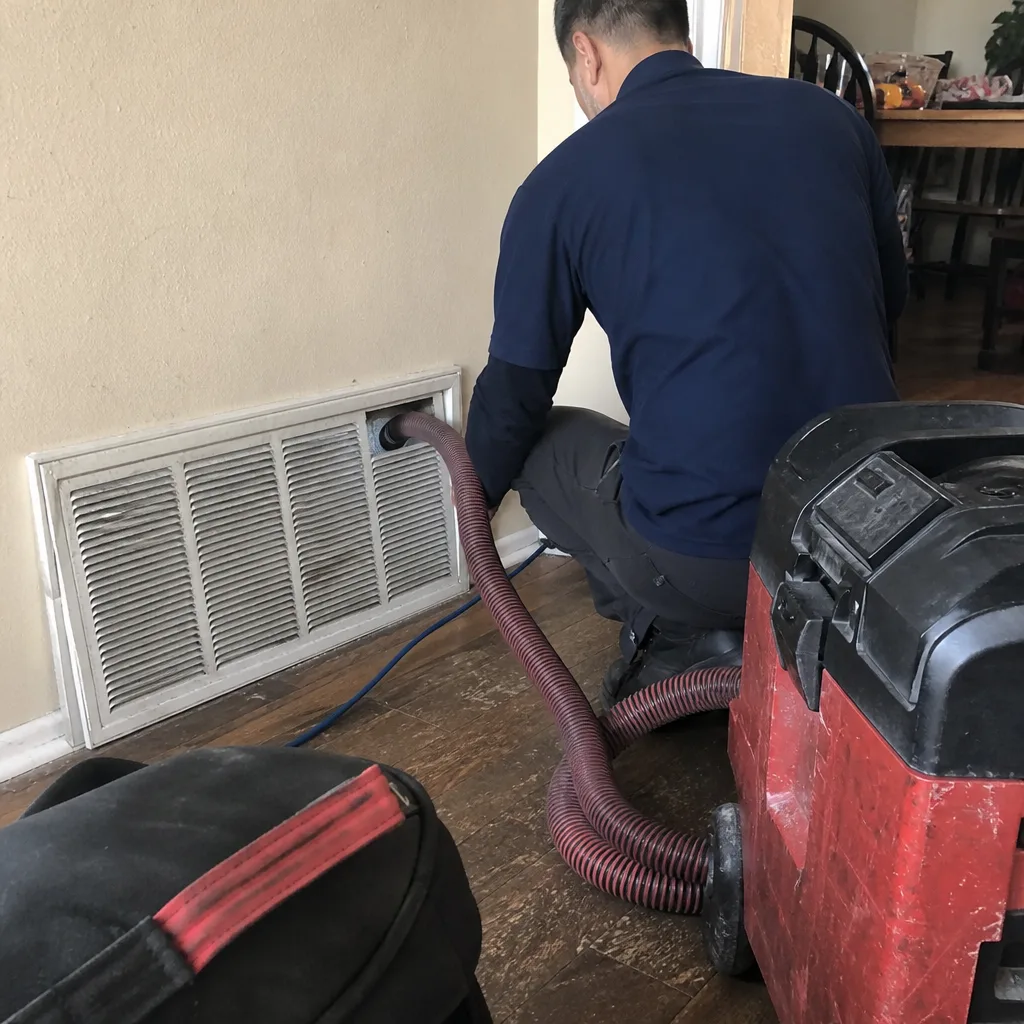 Before
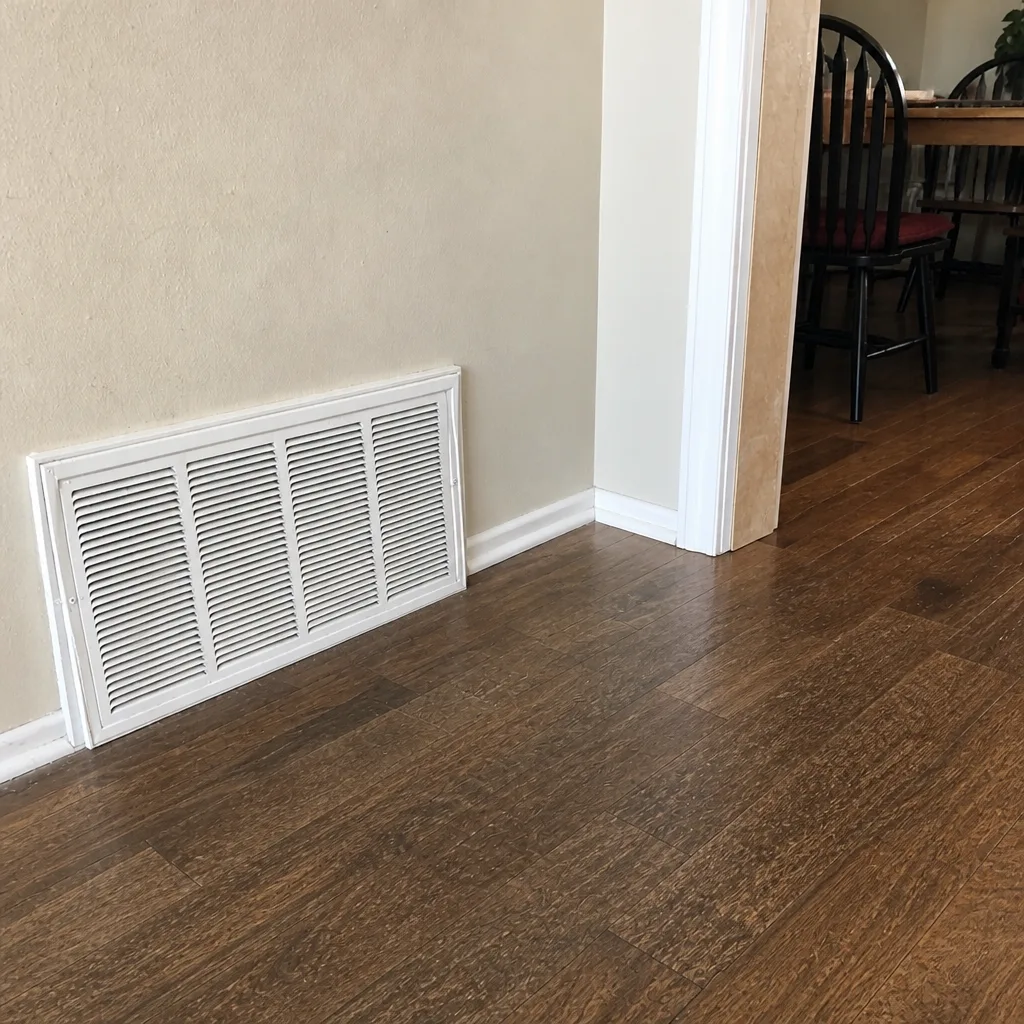 After
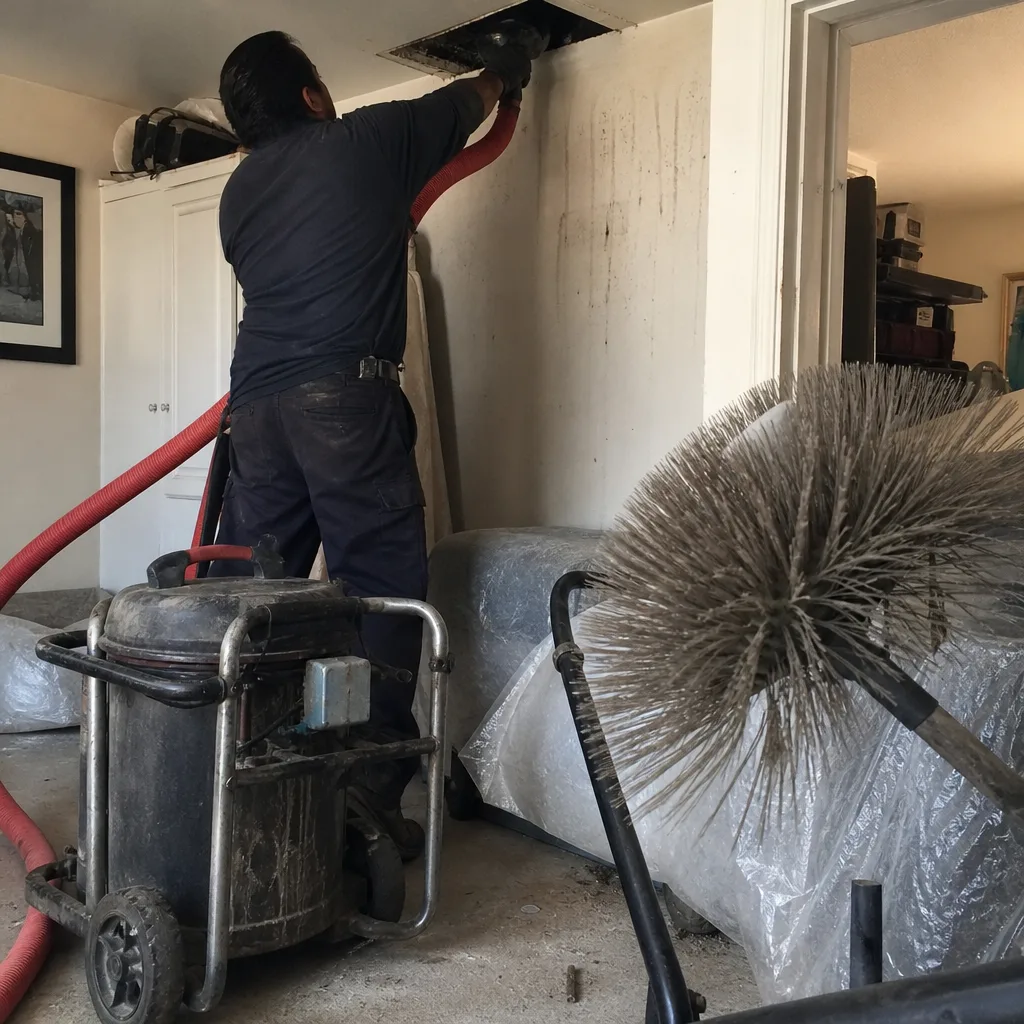 Before
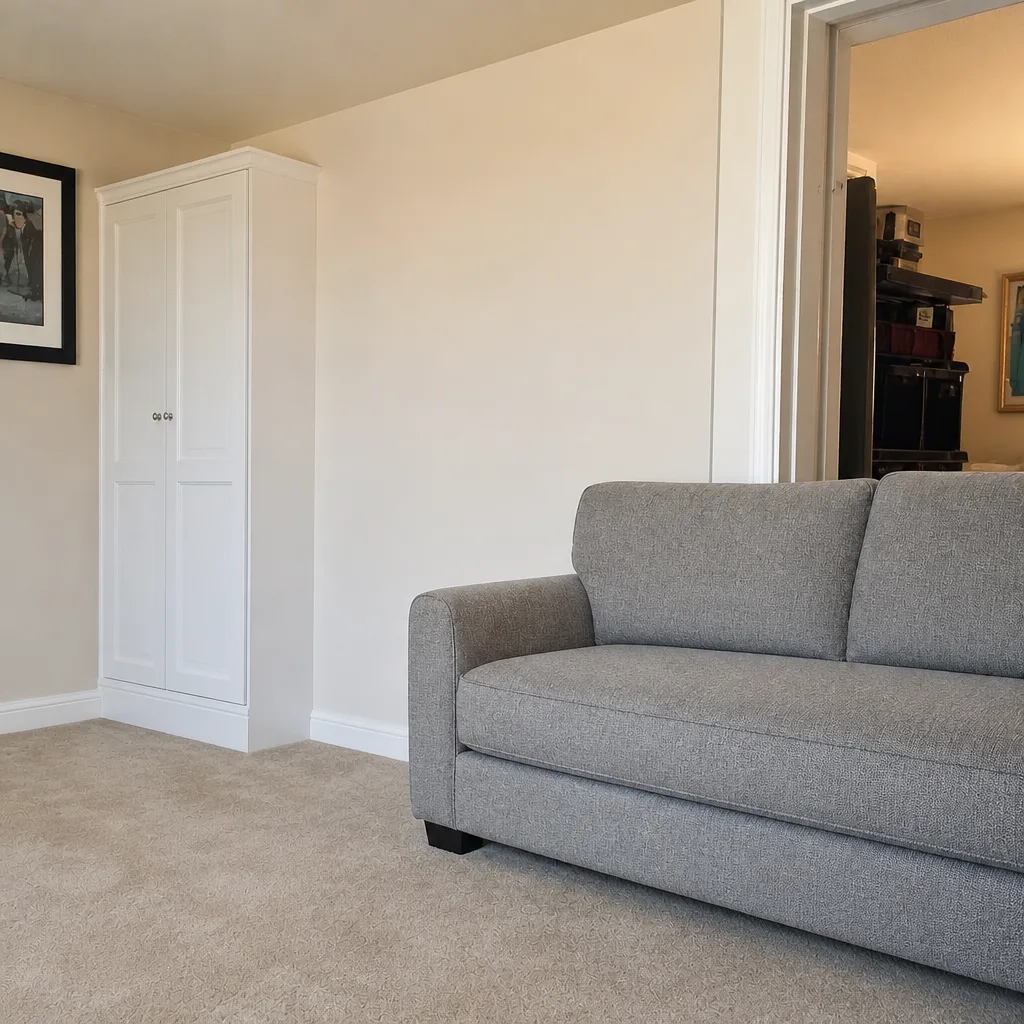 After
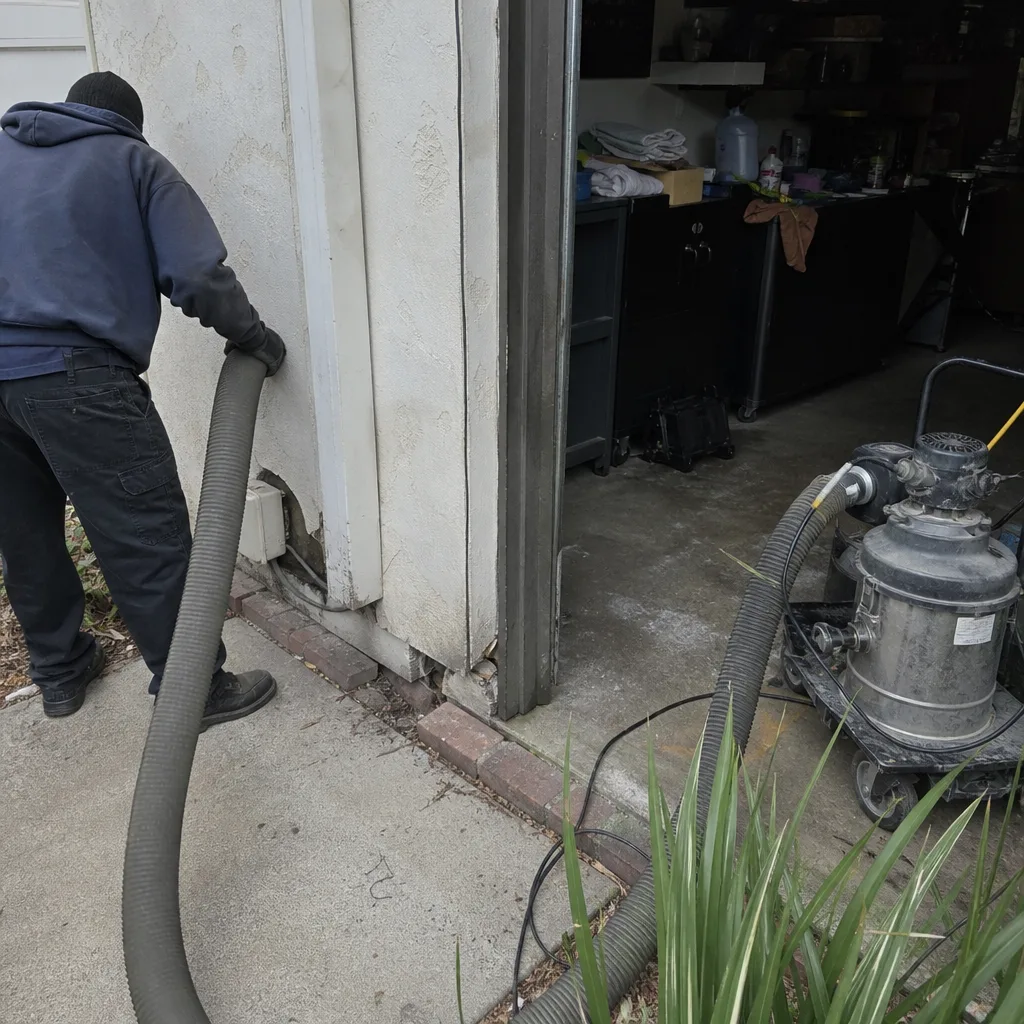 Before
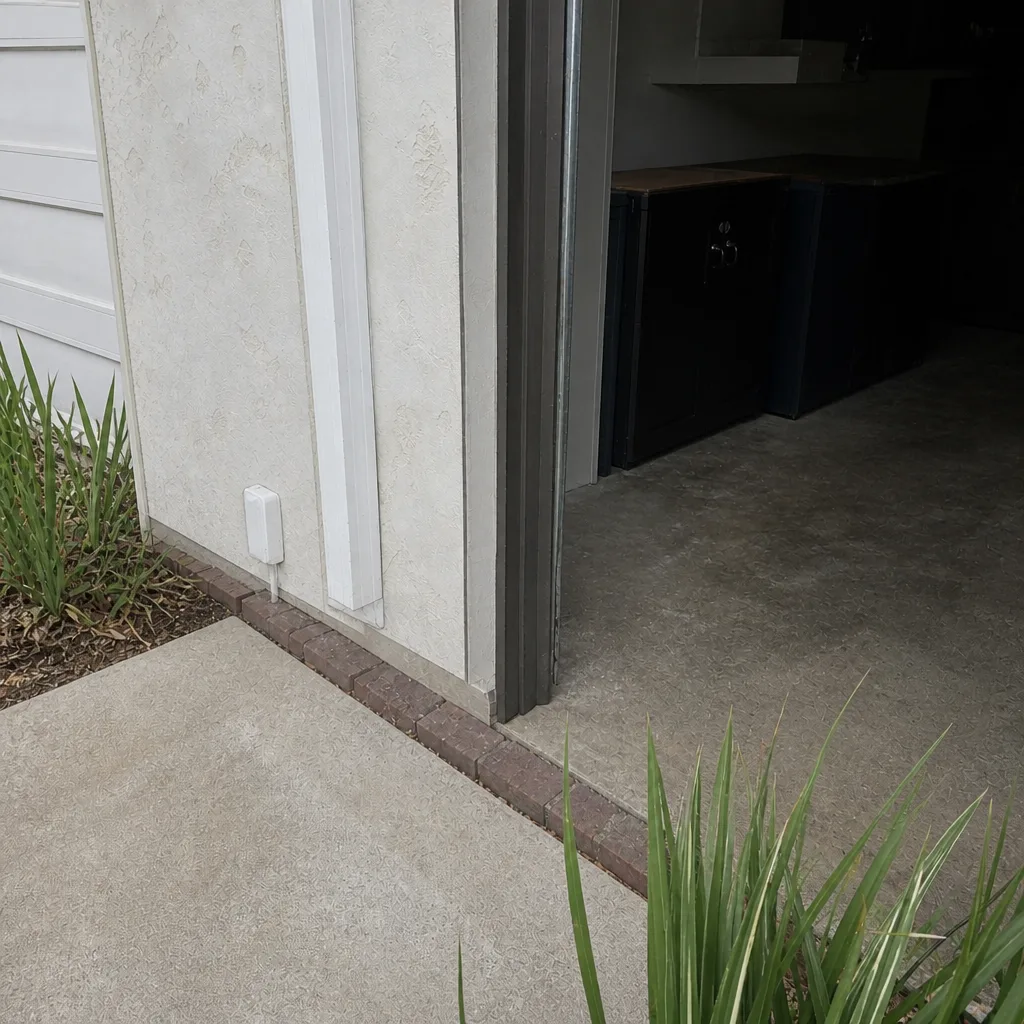 After
Common Mistakes to Avoid
- Running the HVAC to “clear the air” during a smoke event. This pushes smoke particulates deeper into the system and distributes them across every room. Turn the system off and close fresh-air intakes instead.
- Cleaning ducts before documenting the damage. Once cleaning is done, the evidence is gone. Photograph everything first, especially if an insurance claim may be involved.
- Assuming a new filter fixes everything after a flood. Moisture inside duct cavities doesn’t dry from a filter change, and mold colonizes in 48 to 72 hours. A moisture inspection is the only way to know.
- Ignoring flex duct disconnections after an earthquake. Flex runs at the air handler and register boots are the most common break points, and the leak pulls unfiltered attic or crawl space air into living areas.
- Hiring a single-equipment cleaner for a remediation-adjacent job. Smoke, mold-suspect, and post-flood environments require HEPA filtration and negative-air containment. A shop vac alone can make the situation worse.
- Forgetting the dryer vent after a major event. Lint accumulation combined with any debris or moisture intrusion can create a fire risk, and dryer vents often get overlooked when the focus is on the HVAC system.
- Waiting weeks to schedule an inspection after water intrusion. The 48 to 72 hour mold window is real. Every day past it makes remediation more involved and more expensive.
The Bottom Line
Emergency preparedness for your duct system comes down to three habits: shut the HVAC off during the event, inspect within the right window, and document everything before cleaning. Smoke events are the most common scenario in Huntington Beach, but flood and seismic events create contamination that’s more urgent and more costly to fix late. Filter replacement alone can handle light smoke exposure, but visible debris, moisture, or mold-suspect conditions call for professional cleaning with equipment matched to the job. For HVAC cleaning and emergency duct response, our team at Air Duct Cleaning Huntington Beach Pros provides free estimates and can talk through what your system actually needs. Clean ducts are a starting point. Better air is the goal.
If you’re dealing with a smoke, flood, or seismic event right now, or if you’re simply getting ahead of the next one, call (866) 937-8807. We answer 24/7. Fast dispatch from 7am to 7pm, Sunday through Friday.
Written by the team at Air Duct Cleaning Huntington Beach Pros.