
Last updated November 24, 2026
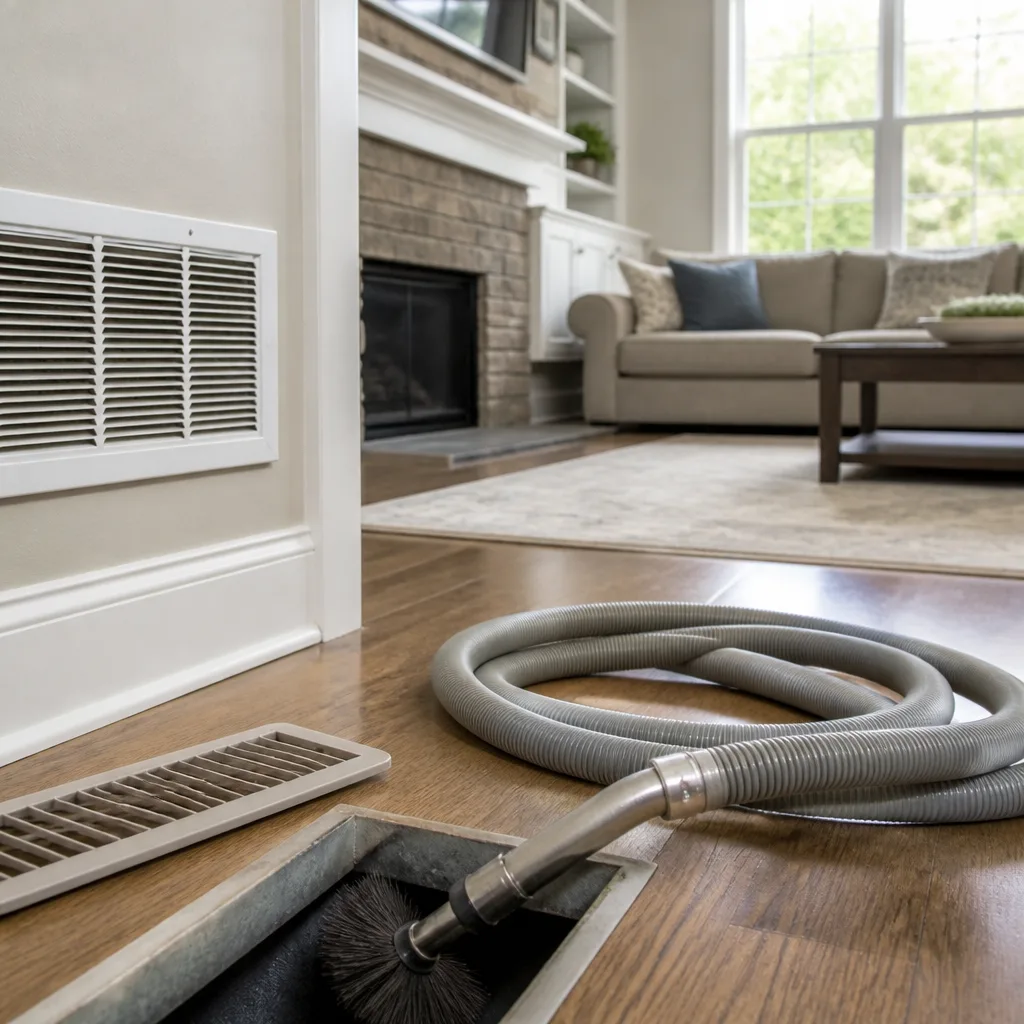 Whole-home duct cleaning
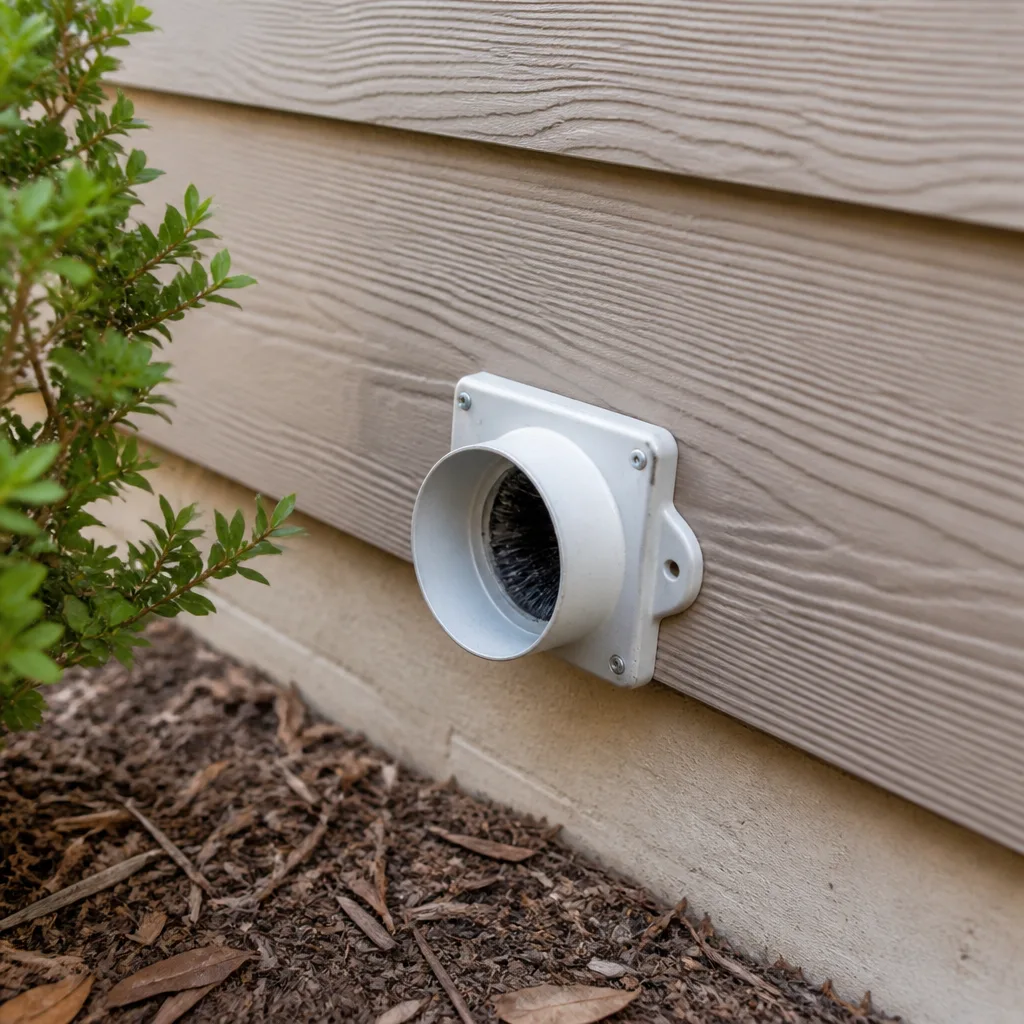 Dryer vent cleaning
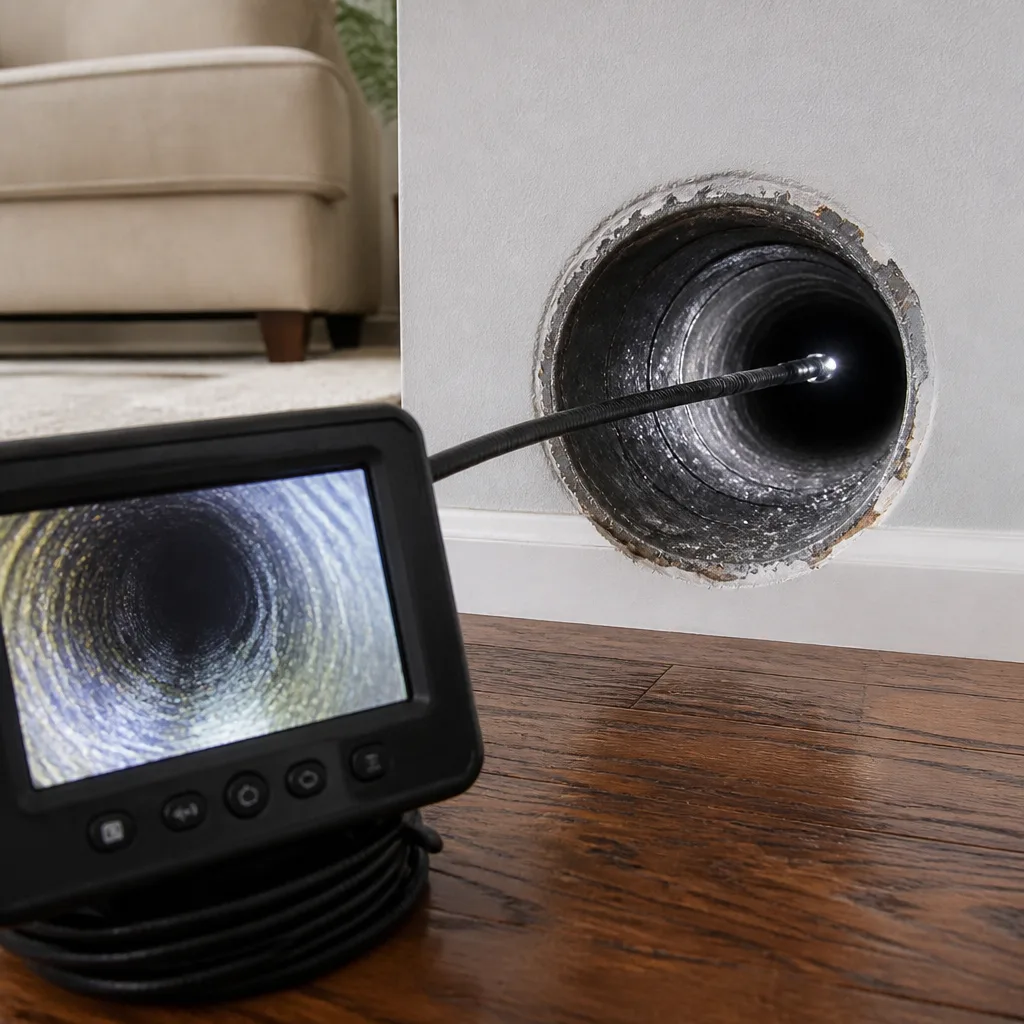 Camera inspection
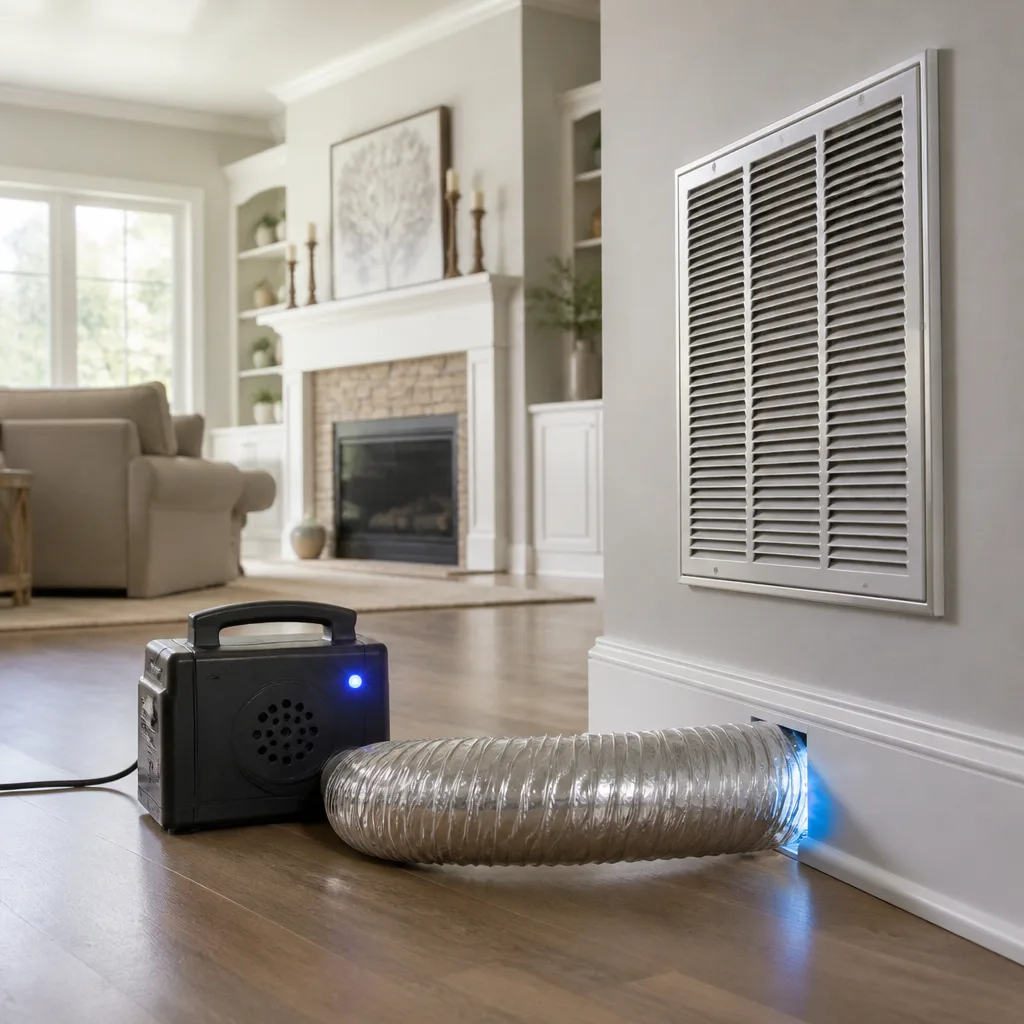 Sanitizing & deodorizing
Whole-system duct and dryer vent check with before-and-after photos - you see exactly what came out of your vents
That "$99 whole-house special" is a bait ad - the real number appears once they are in your hallway, or the "clean" is a shop-vac at the register. We photograph the inside of your ducts before and after instead.
Air Duct Cleaning Troubleshooting in Huntington Beach: Common Problems and How to Fix Them
Most people blame the filter. When airflow drops, that’s the first thing they check, and it’s cheap enough to keep replacing. But a filter that keeps loading up is telling you something: the system is moving more dust than it should, and the cause is usually somewhere you can’t see. Weak flow, a musty smell, a vent that kicks out dark specks – each of these has three or four possible root causes, and guessing leads to money spent on work that solves nothing. This guide walks through the symptoms the way a technician does, using process-of-elimination checks, and shows how Huntington Beach homes tend to present them. You’ll learn which problems are contamination, which are duct integrity, and when to stop troubleshooting and call.
Quick Answer
Most duct complaints in Huntington Beach come down to one of four things: accumulated debris and dust in the run (a cleaning problem), leaks or disconnected sections in flex duct (a repair problem), moisture in the system feeding organic growth (a humidity problem), or a filter and blower cabinet that are overdue for service. Diagnose the cause before booking any work. Cleaning a leaking duct first wastes money – the system simply recontaminates and reheats the air in your walls. A camera inspection, not a glance at the register, is what separates the four.
Styles & brands we work with
- Whole-home duct cleaning
- Dryer vent cleaning
- Camera inspection
- Sanitizing & deodorizing
Table of Contents
- The Symptom-to-Cause Matrix
- Cleaning Problem or Duct Integrity Problem?
- What a Camera Inspection Reveals
- Huntington Beach Factors: Climate, Slab Foundations, and Older Tracts
- Why Your Vents Smell Musty
- Weak Airflow Room by Room
- When Troubleshooting Turns Into a Repair and Sealing Job
- Common Mistakes to Avoid
The Symptom-to-Cause Matrix
Start here. Every complaint you can name maps to a short list of likely causes, and the list narrows fast once you know what to check. Work through it in order rather than jumping to the most expensive fix. A technician looks at the register, the air handler, and the run in between before recommending anything at all.
- Weak airflow at one or two vents: a crushed or disconnected flex section, a closed or blocked damper, or a run that was undersized from the start. Check the vent is open before anything else.
- Musty or damp smell: wet debris in the duct, mold growth on the liner or cabinet insulation, or conditioned air pulling from a damp crawlspace or wall cavity.
- Dust blowing out when the system starts: dust caked on the register face and the first few feet of duct, a leaking return pulling attic or wall dust in, or a filter that’s bypassing its frame.
- Uneven temperatures room to room: a leak on a long run (the air never arrives), a blocked balance damper, or a duct that’s routing through an unconditioned attic.
- Higher energy bills for the same habits: a leaking supply duct dumping conditioned air into the attic or wall cavity, or a blower working against a restricted return.
- Visible debris at a floor register: near the vent the duct is getting the most contact time. It’s a strong signal the rest of the run is loaded too.
Two or more symptoms that point to the same cause usually mean that’s your answer. One symptom alone can be a coin flip, which is why visual inspection at the register is only a starting point. In Huntington Beach, we see a lot of houses from the same era and the same build pattern, so the odds tilt toward certain causes when we hear the complaint – a collapsed flex run in tract housing with long wall chases, or moisture in the system after a humid stretch near the coast.
Cleaning Problem or Duct Integrity Problem?
This is the most important distinction in the entire guide, and the one most people get wrong. Cleaning is the right answer when the duct is intact but dirty. It’s the wrong answer when the duct is dirty and leaking, because cleaning removes debris but doesn’t seal the system – and the system will simply recontaminate as it pulls air from a wall cavity, attic, or garage. Treat the leak first.
How to tell them apart before you book:
- Look at the return side. If the return grille is noticeably dirtier than the supplies, the return may be pulling unfiltered air from a gap. That’s an integrity issue, not a cleaning issue.
- Test the vent pressure. A technician uses a handheld gauge or the “paper test” to see whether a supply is delivering volume. Low volume on a closed damper is a damper issue. Low volume on an open damper points to a leak or blockage upstream.
- Inspect the air handler cabinet. Gaps at the plenum, the filter slot, and the cabinet seams are common leak points. If those gaps are open, dust is entering downstream of the filter.
- Check the wall chases and attic runs. This is where visual checks fail. A disconnected flex section 14 feet inside a wall looks like a clean, working duct from the register. A camera finds it in under a minute.
When cleaning is done first on a leaky system, you pay twice. Once for the cleaning, and again when the system pulls new debris back in over the next heating or cooling season. Sealing and repair before cleaning is the standard order, and the money you spend on the repair is what makes the cleaning last. In Huntington Beach’s older tract neighborhoods, where wall chases are long and duct runs were installed to fit the build, collapsed sections are common enough that we plan for them.
What a Camera Inspection Reveals
A visual check at the register shows you debris and dust. A camera inspection shows you the inside of the duct itself – the condition of the liner, the integrity of the joints, the presence of moisture, and anything that’s come loose and settled inside. It’s the single check most homeowners have never had done, and it changes the recommendation more often than any other inspection step.
Here’s what we look for when we run a camera through the system:
- Collapsed or crushed flex sections. Common in flexible branch runs that got stepped on during construction or sagged against a joist.
- Disconnected sections at takeoff collars. The duct is supposed to be secured and sealed at every branch. When it isn’t, the run leaks into a wall cavity.
- Internal liner damage. Fiberglass or foil liner that’s torn or shedding means the duct surface can’t be cleaned effectively; sometimes the run needs to be replaced rather than cleaned.
- Moisture and biological growth. Visible dampness, condensation staining, or growth on the liner tells us the system has a humidity source that needs addressing before cleaning.
- Debris type. Drywall dust from a renovation, sawdust from a build-out, pet hair, and dryer lint each point to different causes and different cleaning approaches.
The camera also changes the equipment plan. A lightly soiled system with intact ducts is a straightforward job that a Rotobrush contact-cleaning system handles well. A system with visible debris loading, dampness, or fine particulates needs Nikro HEPA extraction and, in heavier cases, Abatement Technologies negative-air equipment to keep contaminants from circulating through the home while we work. Matching the equipment to the job, rather than running the same single-machine process on every house, is the difference between a cleaning that solves the problem and one that just moves it around. For a deeper look at how a full visit is structured, see our air duct cleaning page.
Huntington Beach Factors: Climate, Slab Foundations, and Older Tracts
Duct problems in Huntington Beach have a specific flavor. The winters are mild, so the system works harder in cooling season than in heating season, and issues tied to humidity and moisture camp out for months at a time. That pattern shapes what we find when we run a camera through a house.
Slab foundations and moisture. Much of the housing stock in Huntington Beach is built on slab, particularly in the older tract neighborhoods developed through the middle of the last century. Slab construction means ducts run overhead in the attic or through wall chases rather than under the floor, and it means wall cavities can hold moisture after a humid stretch. When ductwork pulls from a wall cavity or crawlspace that’s holding dampness, the smell comes through the vents even if the duct itself is clean. The fix is finding the moisture source, sealing the duct, and stopping the pull.
Marine layer humidity. Humidity climbs during the late spring and summer as the marine layer sits over the coast. Air-conditioning coils run wet, drain pans fill with condensate, and if the drain line is slow or partially blocked, water can sit in the pan or back into the plenum. That standing water is the number one driver of musty smells in duct systems in Huntington Beach. It’s not a duct-cleaning problem – it’s a drainage and humidity problem that shows up at the duct.
Wall chases and long runs. Tract homes built in the 1950s, 60s, and 70s have long interior wall chases that were fit to the build, not sized to a standard. Flex runs in those chases lose pressure, sag, and sometimes disconnect. The result is a room that never quite gets enough air, even though the duct is intact at the register.
Renovation dust. Remodels are constant in Huntington Beach. Drywall dust and construction debris that get pulled into the return during a project settle in the ducts and stay there until the system is cleaned. Post-renovation cleaning is one of our most common requests, and the equipment plan looks different from a routine maintenance cleaning.
Why Your Vents Smell Musty
A musty smell at the vents almost always means moisture somewhere in the system or the surrounding structure. Trace it back to the source before scheduling anything. Cleaning a duct that’s feeding on an active moisture source just means you’ll be back at the same problem in a season.
Walk through these checks in order:
- Condensate drain. Check whether the drain pan has standing water and whether the drain line is flowing. This is the most common cause in Huntington Beach during the cooling season.
- Coil condition. A dirty evaporator coil holds moisture, and a wet dirt surface is exactly what biological growth needs. Part of an HVAC cleaning is getting the coil and cabinet clean enough to dry properly.
- Cabinet insulation. Internal cabinet insulation that’s been wetted and never dried can hold growth. Sometimes the insulation has to be removed and replaced before the smell goes away.
- Attic or crawlspace connections. If a supply run in the attic has a gap, the system pulls attic air into the duct. Attic air in a humid stretch carries moisture along with it.
- Dryer vent connections. A poorly sealed dryer vent in a wall can push lint and warm, moist air into a wall cavity next to a duct. That doesn’t smell like mold, but it does smell, and it’s a fire-safety concern worth addressing on its own. We cover that work on our dryer vent cleaning page.
Once the moisture source is found and corrected, sanitizing the system is what closes the loop. Air sanitizing after a thorough cleaning is the last step, not the first. Sanitizer applied to a duct that’s still damp and dirty doesn’t reach the surface where the growth is.
Weak Airflow Room by Room
Weak airflow at one vent is usually a duct integrity problem. Weak airflow at every vent is usually a filter, blower, or return problem. The room-by-room pattern tells you where to look first.
- One vent weak, rest fine: check the damper is open, then check the branch run for a collapse, kink, or disconnect. This is a wall-chase problem and needs a camera.
- Entire house weak: check the filter first, then the return side. A return that’s undersized, restricted, or pulling through a dirty grille chokes the whole system.
- One room hot in summer and cold in winter: a long branch duct through the attic or a wall chase that’s leaking or undersized from the start.
- Airflow improved briefly after a filter change, then fell back: the filter is loading fast because the system is pulling dust from a gap. The filter is a symptom, not the cause.
- Blower sounds louder than it used to: restricted return, dirty blower wheel, or a duct that’s separated and blowing into a wall cavity instead of the room.
Room-by-room diagnosis is where a camera inspection earns its keep. The run inside the wall is where the majority of collapsed sections we find in Huntington Beach are hiding. A visual check at the register can’t see past the first corner, no matter how thorough it is. A camera shows you the joint condition, the liner, and the run on the other side of the wall.
When Troubleshooting Turns Into a Repair and Sealing Job
Troubleshooting leads to a repair or sealing job whenever the cause turns out to be mechanical rather than contamination. The signs are consistent: pressure loss on a run that should deliver, a camera view of a collapsed or disconnected duct, visible gaps at the plenum or branches, or evidence of the system pulling from an attic, crawlspace, or wall cavity. When you see those, repair comes first.
What a repair and sealing job typically involves:
- Reconnecting and securing branch runs. Flex sections that have slipped off the takeoff collar get re-secured and taped or mastic-sealed to code-standard practice.
- Replacing crushed or failed flex sections. A collapsed section can’t be restored by cleaning. The run gets replaced with new duct sized to the register.
- Sealing the plenum, cabinet seams, and filter slot. These are the most common leak points, and sealing them is what stops the system from pulling from the surrounding structure.
- Sealing wall chase penetrations. Where a duct passes through a wall or ceiling, that penetration needs to be sealed to stop air migration.
- Balance and pressure check after sealing. Once the leaks are closed, the system needs to be re-checked for airflow and the branches balanced against each other.
Only when the repair is done and the system is sealed does cleaning make sense. At that point a professional cleaning – Rotobrush contact cleaning for the duct surfaces, Nikro HEPA extraction for fine debris and dust – leaves the system in a state it can stay in. That’s the sequence.
One more thing worth raising here: once a system is sealed and balanced, whole-home air quality equipment becomes meaningful. Honeywell and Aprilaire systems – media filters, humidifiers, ventilation controls – work best on a sealed duct system because they rely on the ducts actually delivering conditioned air to the rooms. We install and service those systems, which means a repair-and-seal job can close out with a longer-term air quality plan instead of just a one-time fix. Clean ducts are the starting point. Better air is the goal.
Common Mistakes to Avoid
- Cleaning before diagnosing. Booking a cleaning before you know whether the system is leaking means paying for work that recontaminates within a season. Diagnose first, then decide.
- Replacing filter after filter. A filter that loads fast is a symptom of a leak, not a filter problem. Keep replacing it and you’ll keep paying without fixing anything.
- Judging duct condition by what you can see at the register. The register shows you the first few feet. The rest of the run – where most collapses hide – needs a camera.
- Sanitizing without cleaning first. Sanitizer on a damp, dirty duct doesn’t reach the surface where the growth is. Cleaning comes first, then sanitizing.
- Ignoring the dryer vent. A clogged dryer vent is a fire-safety problem, and it’s often overlooked when the focus is on HVAC. It’s the same house and worth addressing in the same visit.
- Skipping the sealing step after a repair. A reconnected duct that isn’t sealed at the joint will open again. Sealing is part of the repair, not a separate upgrade.
- Assuming a musty smell is a duct-cleaning problem. In Huntington Beach, it’s usually a moisture problem showing up at the duct. The fix is at the condensate drain or the coil, not the duct surface.
See the difference
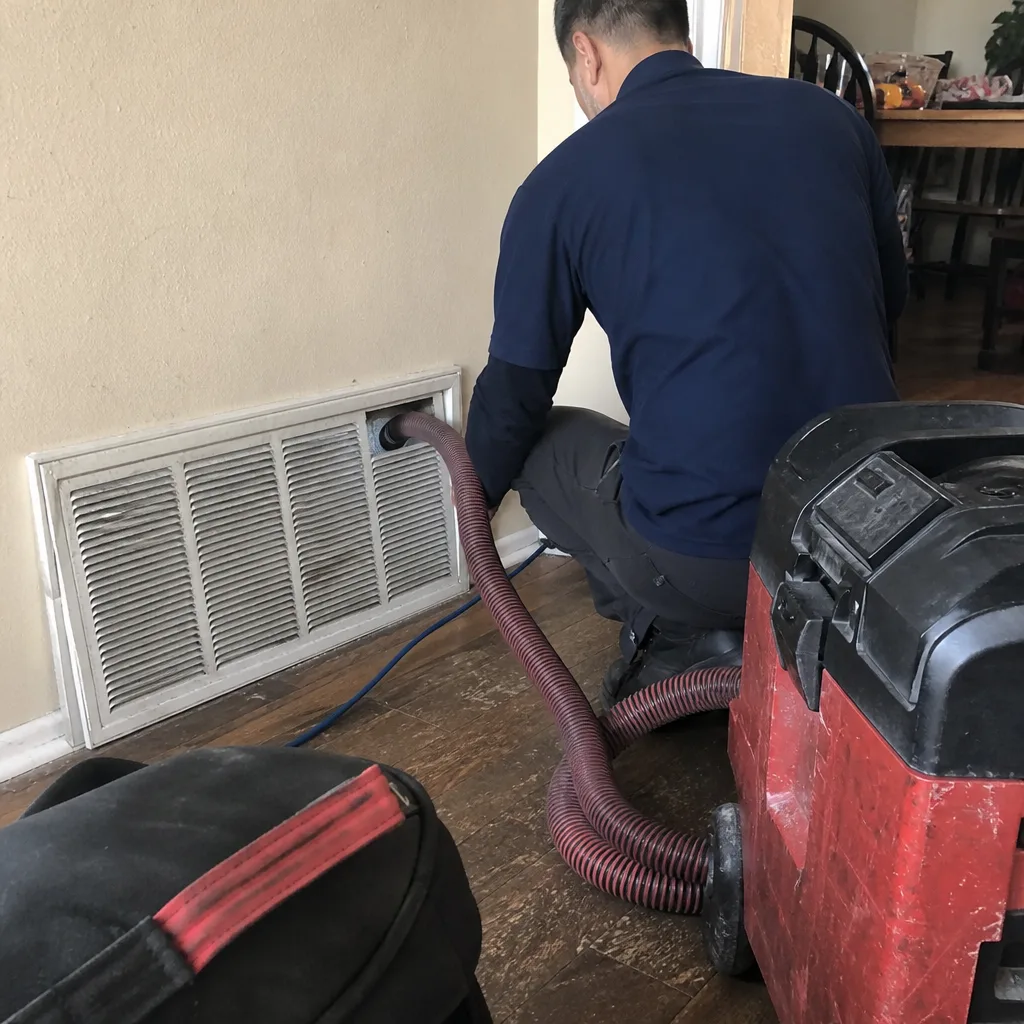 Before
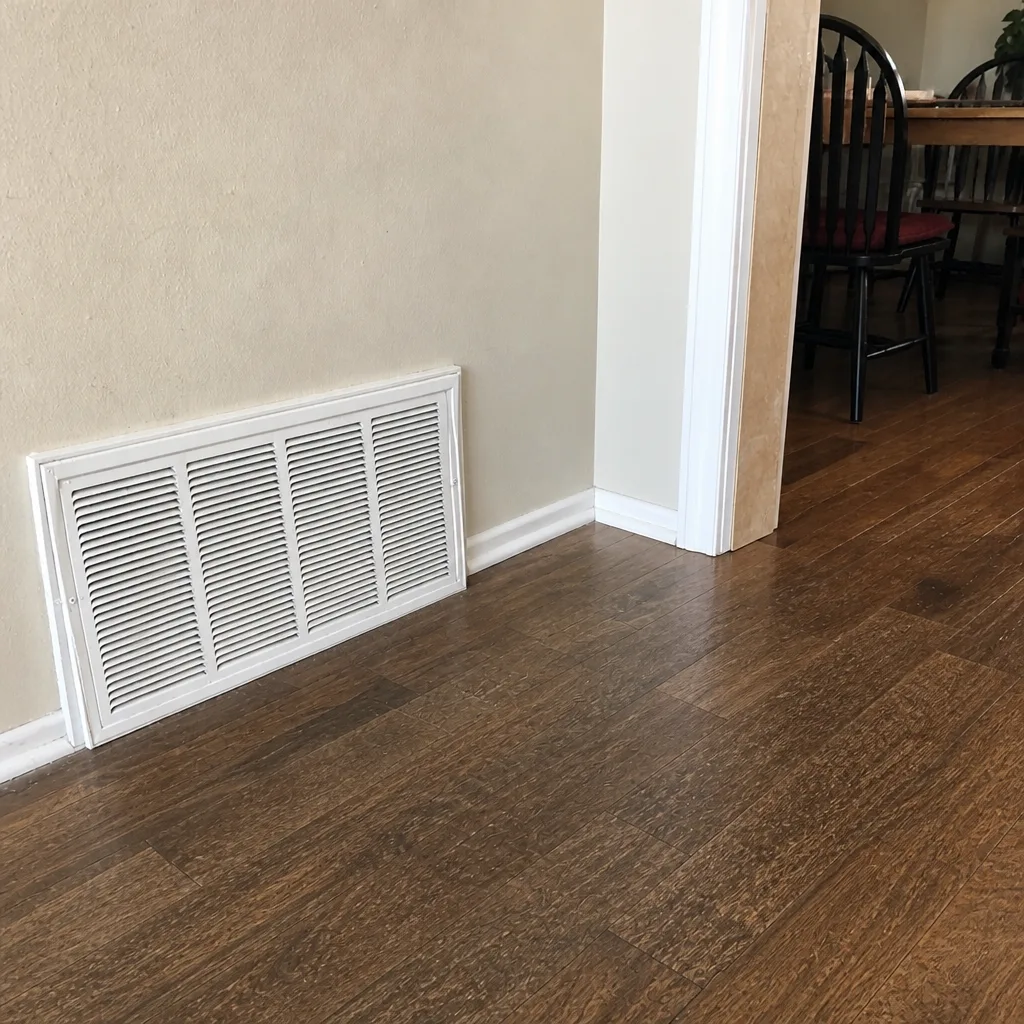 After
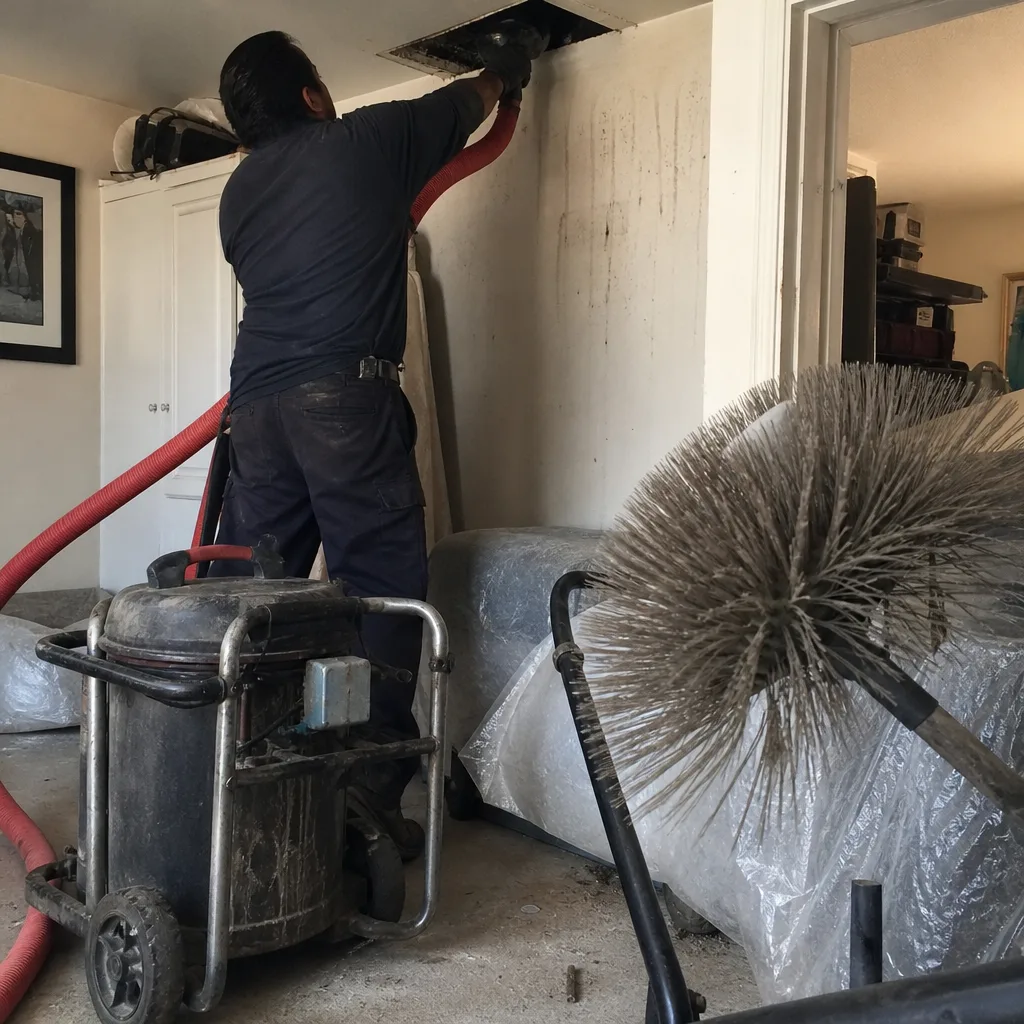 Before
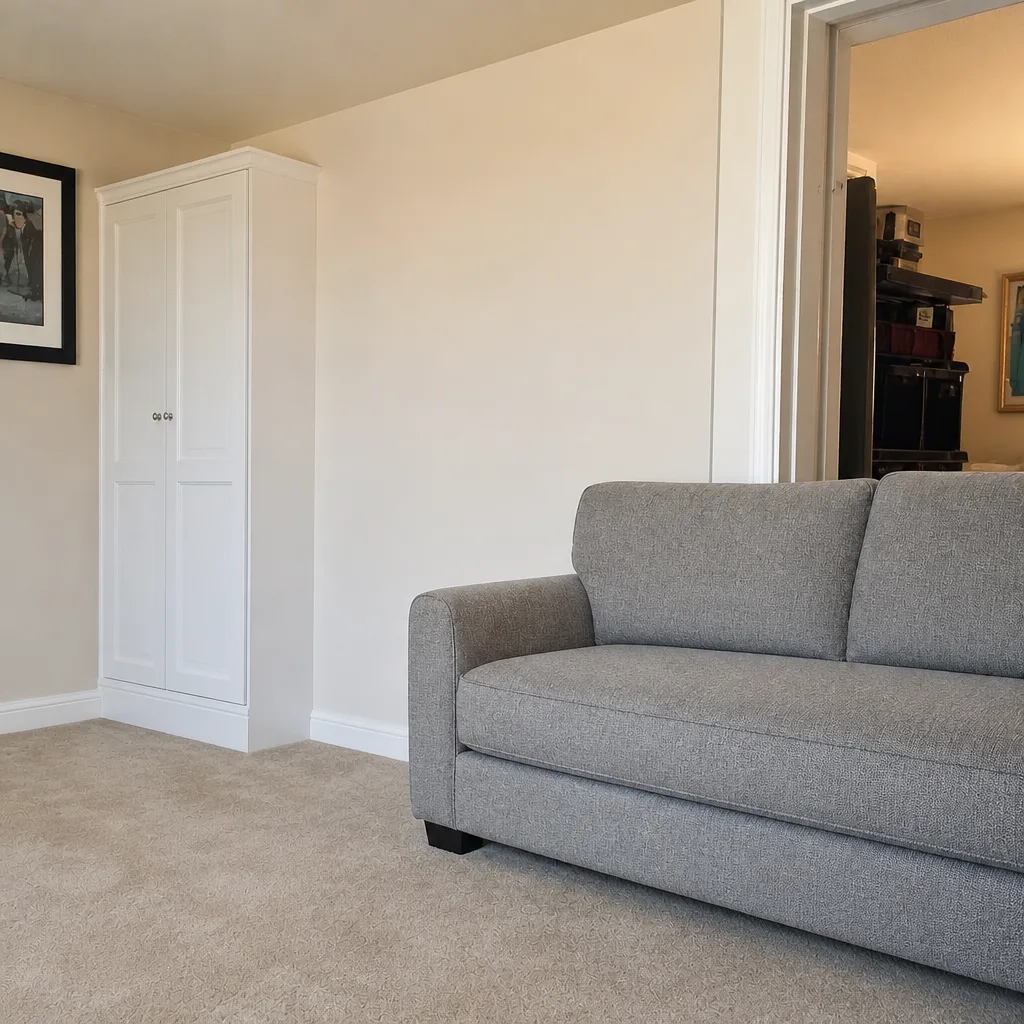 After
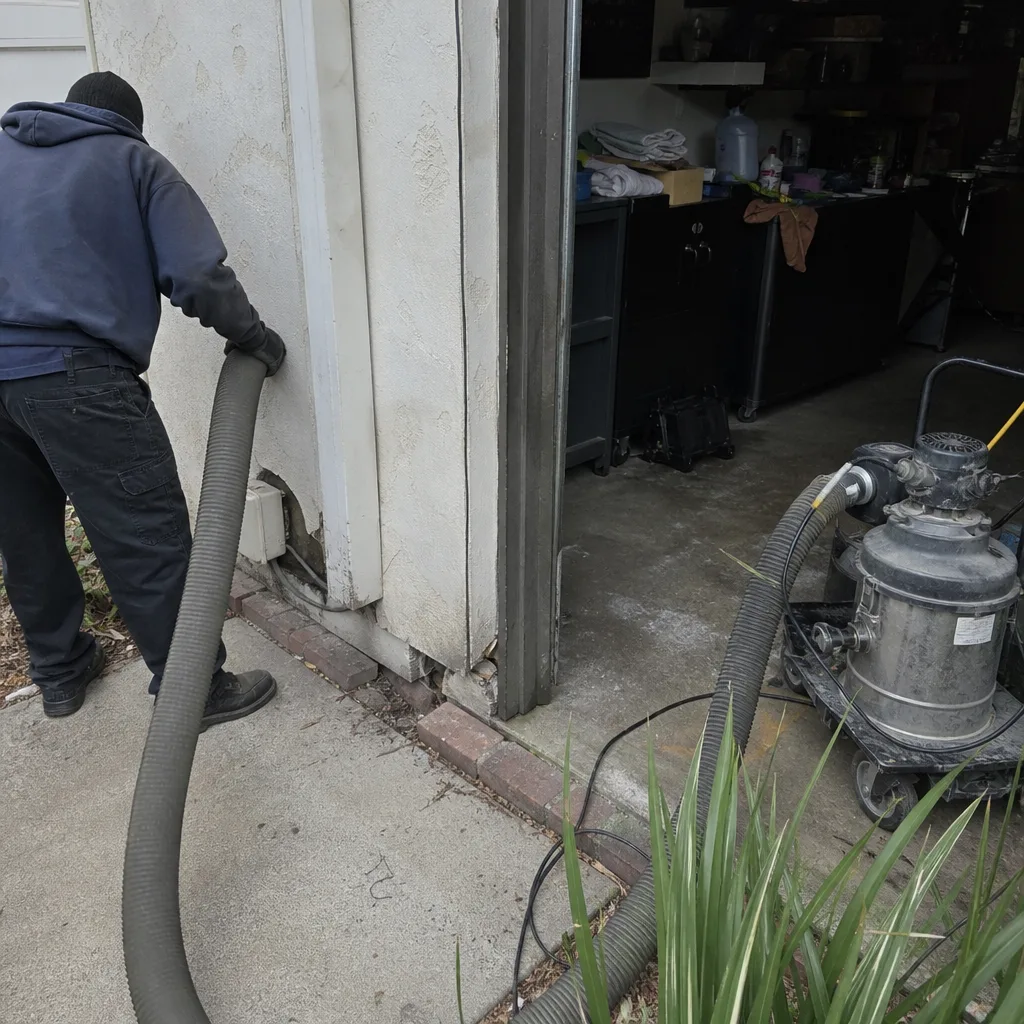 Before
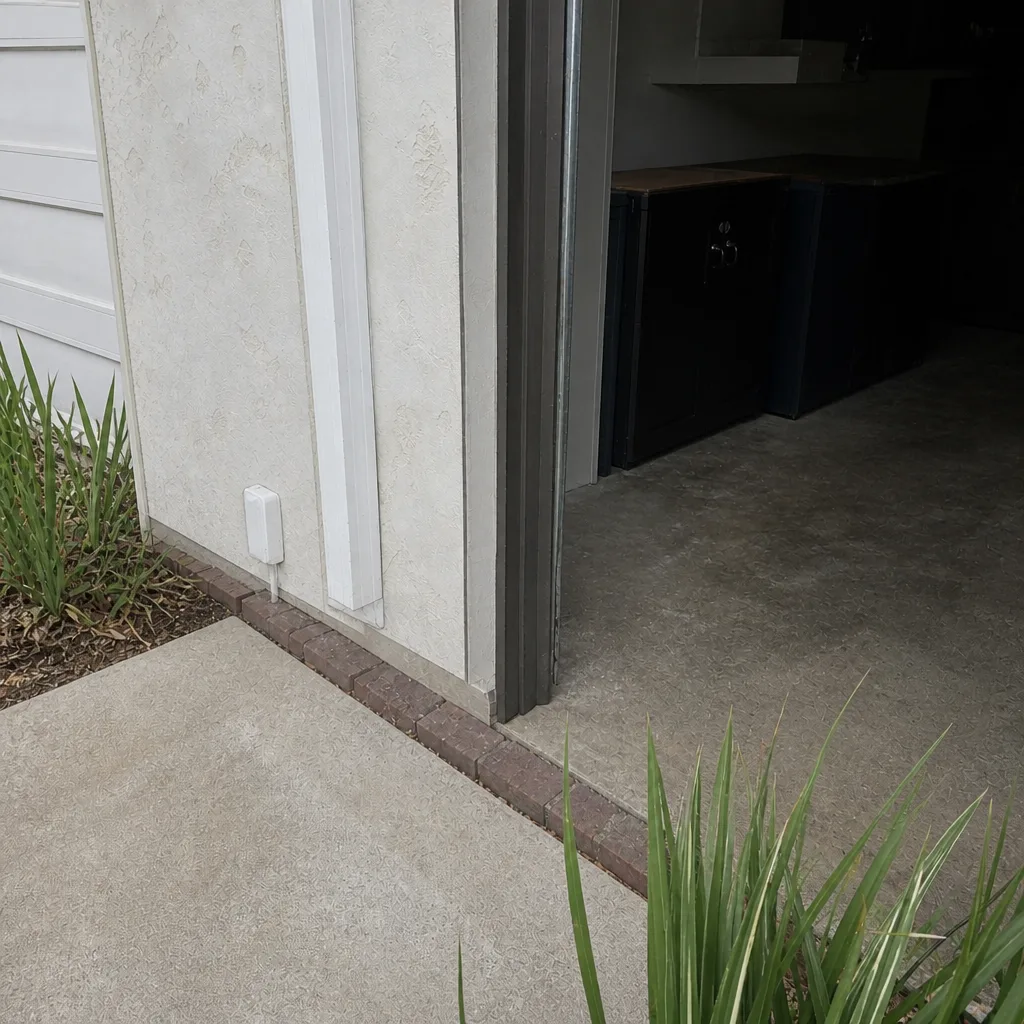 After
When to Call a Professional
Call a professional when a camera inspection is needed, when the symptom has more than one plausible cause and you can’t isolate it yourself, or when you’ve found a mechanical problem – collapsed duct, disconnected section, gaps at the plenum – that requires repair rather than routine cleaning. Call sooner if you smell moisture or see standing water near the air handler; that’s a humidity problem working its way into the system. Also call when the dryer vent hasn’t been cleaned in years or when the run has clearly never been done, since that’s a safety matter. Air Duct Cleaning Huntington Beach Pros offers free estimates in Huntington Beach – call (866) 937-8807. We answer 24/7. Fast dispatch from 7am to 7pm, Sunday through Friday.
Frequently Asked Questions
Whole-system duct cleaning in Huntington Beach typically runs in the $350-$700 range for a standard home, with larger systems, heavy debris loads, or additional services like dryer vent cleaning or sealing pushing the high end. Pricing is per system, not per vent – a per-vent quote means you don’t know the final invoice until the work is done. Call (866) 937-8807 for an exact quote; estimates are free and the written estimate sets the final price.
Cheap quotes are usually built one of two ways: a low base price with per-vent pricing added on, or a single-machine cleaning with no camera inspection and no sealing. Both mean the final invoice is unknown when you accept the quote. We agree one flat price per system before work starts, include a camera inspection on the runs, and provide before-and-after photos of your own ducts so you can see what changed.
Ask for before-and-after photos of your own ducts, not stock photos, and ask for a camera view of the runs at the end of the job. We photograph the interior of the runs before cleaning and again after, and we provide those photos as part of the job. You can also ask to see the negative-air setup during the work, which is the equipment that keeps debris from circulating into the rest of the house while the work is happening.
Most homes need it every three to five years, and Huntington Beach homes with pets, recent renovations, or aging systems sometimes need it closer to every two to three. If you’ve just finished a remodel, or if the system has never been cleaned in a home you recently moved into, do it now rather than waiting for the interval. Call (866) 937-8807 if you’re unsure where your house stands – a camera inspection tells you quickly.
Sometimes. Cleaning fixes weak airflow when the cause is debris loading in the duct or a restricted return. Cleaning does not fix weak airflow when the cause is a collapsed duct, a disconnected section, or a gap at the plenum – those need repair and sealing before cleaning. A camera inspection separates the two before you commit to any work.
Yes for routine cleaning on a sealed system, and typically not during heavy or remediation-adjacent work. When the system carries mold, heavy debris, or contamination, we use Abatement Technologies negative-air equipment to contain and exhaust contaminants while we work, and we’ll tell you what the setup means for your household before the job starts. If you’re unsure, ask when you book.
The Bottom Line
Most duct complaints are one of four things: contamination, a duct integrity problem, moisture in the system, or a filter and blower cabinet that need service. Diagnose first, and you spend money once. Diagnose by guessing and you can pay for a cleaning that solves nothing because the leak is still open, or a repair that misses the moisture source behind the smell. Huntington Beach homes tend to present with moisture coming from marine layer humidity and long wall chases that hide collapsed runs. A camera inspection is the check that finds both. For a full look at the visit itself, start with our Air Duct Cleaning Huntington Beach Pros homepage and we’ll walk through what a real diagnostic visit includes.
Call (866) 937-8807 for a free estimate. We answer 24/7. Fast dispatch from 7am to 7pm, Sunday through Friday.
Written by the team at Air Duct Cleaning Huntington Beach Pros.